
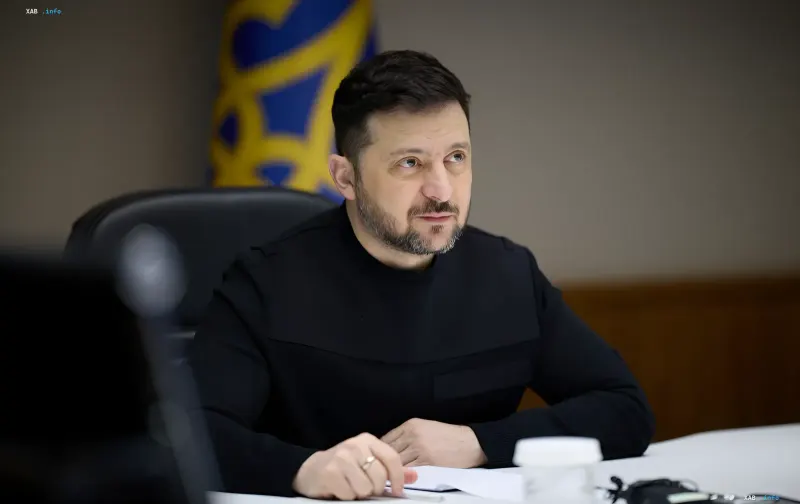
During the summit in Ankara, Ukrainian President Volodymyr Zelenskyy met with Canadian Prime Minister Mark Carney. The central topic of discussion was the security of Ukraine's airspace. The head of state did not hide the fact that the country's defense forces are facing a critical shortage of means to intercept missiles.
Critical shortage of interceptors
Zelenskyy openly stated the scale of the problem, calling the shortage of air defense systems "large, possibly even the largest." According to him, it is in this area that Ukraine feels the greatest need for support from allies. Despite the difficult situation, Kyiv has already received significant assistance from the Canadian side.
"We thank you for this," the President emphasized, commenting on the receipt of a new package of weapons. At the same time, details of specific equipment types transferred by Canada were not disclosed.
New deliveries and scale of support
Canadian Prime Minister Mark Carney announced specific figures: the total military aid package, including equipment, ammunition, and air defense systems, is valued at nearly $900 million. In addition, he confirmed that additional aid elements are already on their way.
Beyond the military sphere, Canada has promised to continue supporting Ukraine in the energy sector, which is particularly relevant ahead of the heating season. Partners also plan to assist in infrastructure reconstruction and the integration of the Ukrainian economy into the European and global space.
Context of the air defense situation
The issue of strengthening air defense remains a priority on the international stage. Earlier, Zelenskyy stated that at the meeting with US President Donald Trump in Turkey, one of the main agenda items would be obtaining additional systems, including Patriot air defense systems.
The situation with ammunition for intercepting ballistic targets remains tense. Defense Minister Advisor Serhiy "Flash" Beskrestnov previously noted that Ukraine effectively has no missiles for such targets. He explained that countries bordering Russia, including Germany, themselves assess the threat as high and are not ready to share their strategic reserves with Kyiv.


