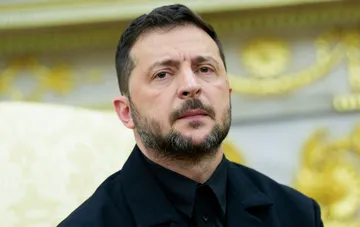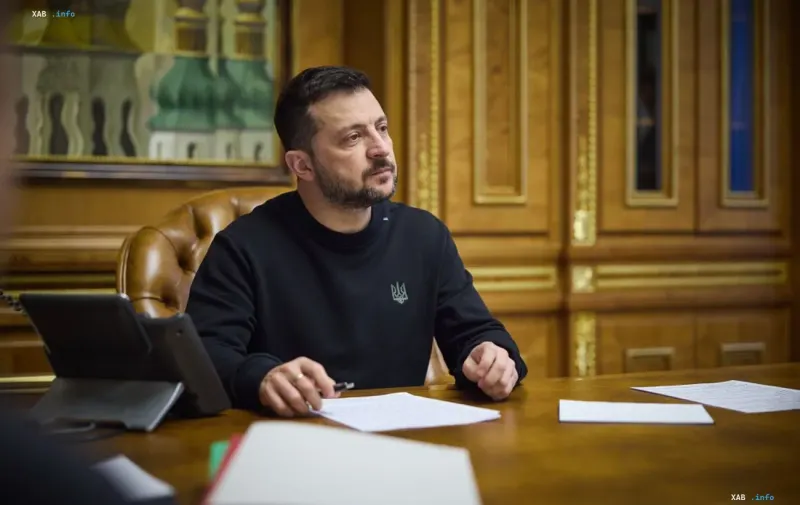
Ukrainian President Volodymyr Zelenskyy has held talks with special representatives of US President Donald Trump, Steve Witkoff and Jared Kushner. The main topic of discussion was the preparation of a trilateral meeting aimed at resolving the conflict and ending hostilities, as announced during the Ukrainian leader's online address to the Hudson Institute in Washington.
Preparation for the Trilateral Meeting and Ukraine's Position
During communication with the American envoys, the Ukrainian leader stated his intention to organize a trilateral summit at the level of teams from Ukraine, the United States, and Russia in the first half of November. According to Zelenskyy, Kyiv insists on maximizing the pace of this process and is ready to sit down at the negotiating table at any moment, even tomorrow, though the final decision depends on Moscow.
The head of state recalled that a similar meeting was planned back in September but failed to take place because the Russian side found a reason to refuse. The president also emphasized the key role of Washington in this process, noting that the American administration holds levers of pressure capable of forcing Russia to end the war.
Diplomatic Maneuvers and US Mediation Mission
In parallel with preparations for the summit, diplomatic efforts have intensified across various international platforms. Earlier, Donald Trump considered the possibility of signing a peace agreement at the G20 summit, which underscores the American side's desire for a swift settlement of the crisis.
Furthermore, US Presidential Special Envoy Steve Witkoff, during a recent trip to Moscow, held talks during which he handed over relevant documents to the Russian leadership and stated that there are real prerequisites for a ceasefire. Moscow itself, according to incoming reports, also expresses readiness to return to the trilateral interaction format involving Ukraine and the US.
Prospects for the Negotiating Process and Impact on Security
The potential trilateral meeting in November is viewed by experts as a critically important step toward finding a diplomatic exit from the long-standing conflict. The success of future negotiations largely depends on the parties' readiness for compromises and the degree of pressure exerted by Western partners on the Kremlin.
If the summit can be held on schedule, it could become a turning point in establishing stable peace in the region. Nevertheless, persisting disagreements and past disruptions of agreements warrant caution in forecasts regarding the actual timeline for ending the war.