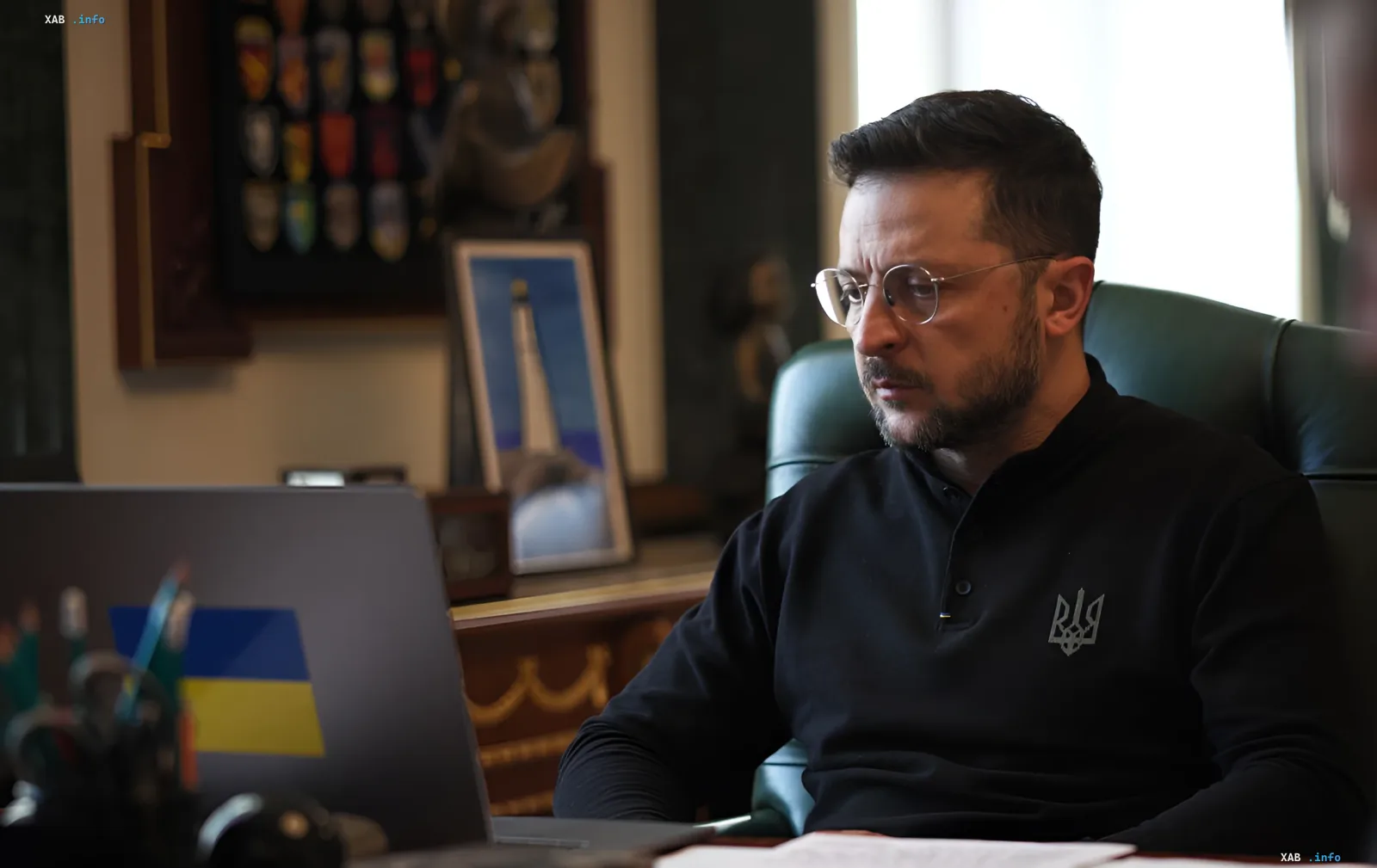
Ukrainian President Volodymyr Zelenskyy has signed a law excluding the Russian language from the text of the European Charter for Regional or Minority Languages. This decision marks a significant step in the context of protecting Ukraine's linguistic space and fulfilling the country's international obligations.
Law No. 4699-IX: The Essence of the Changes
The law was adopted by the Verkhovna Rada back in December 2025, and on June 12, it was returned with the President's signature. According to the document, the Russian language is no longer included in the list of languages to which Ukraine applies the provisions of the Charter. Verkhovna Rada Speaker Ruslan Stefanchuk called this decision fair and logical.
"The language of the aggressor state cannot enjoy the protection tools created to support the languages of indigenous peoples and national communities," Stefanchuk emphasized in his comment.
What is the European Charter for Regional or Minority Languages?
The European Charter for Regional or Minority Languages is an international document of the Council of Europe, adopted in 1992. Its main goal is the protection and support of languages that are not official or widely spoken but are historically used by certain population groups.
The Charter does not introduce new official languages or abolish existing ones. It requires participating countries to create conditions for the preservation of such languages: allowing their use in education, courts, media, cultural life, and administrative communication where possible and appropriate.
Ukraine's Position
Ukraine signed the Charter in 2003 upon joining the Council of Europe. Now, by excluding the Russian language from its application, the country emphasizes its commitment to protecting the state language and respecting linguistic and cultural diversity.
According to Stefanchuk, this decision is about the dignity, justice, and linguistic security of Ukraine. It is aimed at strengthening national identity and protecting the interests of the Ukrainian people in conditions of geopolitical tension.
Reaction and Consequences
The signing of the law has caused a wide resonance both within the country and abroad. Experts note that this is a step towards strengthening the role of the Ukrainian language as the sole state language and a symbol of sovereignty.
However, some observers warn of possible social consequences, especially in regions with a large Russian-speaking population. Nevertheless, Ukrainian authorities insist that the decision is dictated by the need to protect national interests.


