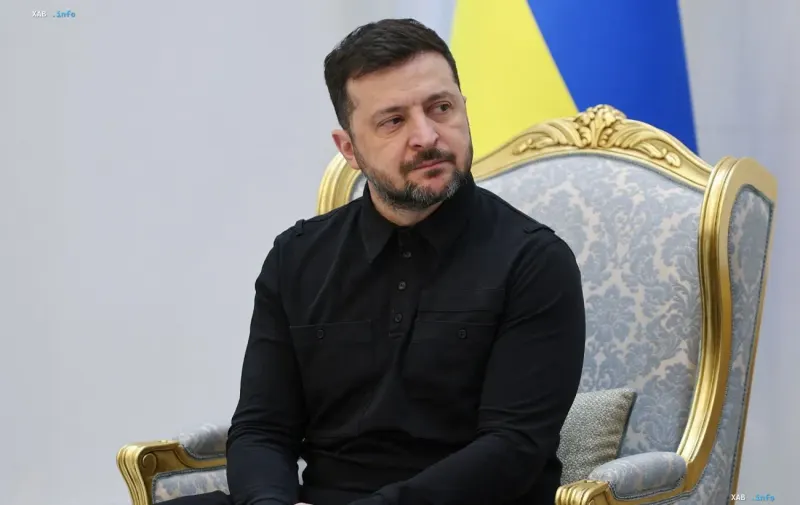
President of Ukraine Volodymyr Zelenskyy stated that the failure of Russian troops in their attempt to capture Kyiv at the beginning of the full-scale invasion was not due to mistakes made by specific commanders, but rather to a global failure to account for the scale of resistance and the necessary force levels. The head of state made these remarks in an interview for The Diary Of A CEO podcast, commenting on statements by the American leadership regarding the actions of Russian military commanders.
Assessment of force numbers for the assault on the capital
According to the Ukrainian leader, successfully capturing Kyiv would have required the Russian army to deploy significantly more personnel than was initially involved. The President noted that the operation would have required a grouping of 300,000 to 400,000 troops, which was twice the actual force deployed in that direction. The necessity to leave garrisons behind to control already captured settlements along the way to the capital depleted their offensive potential.
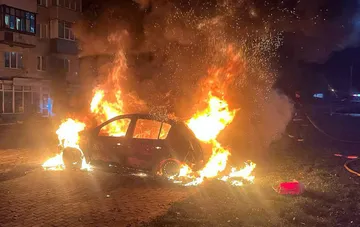
Zelenskyy emphasized that the Russian command had no conception of the level of readiness for resistance within Ukrainian society. According to him, armored vehicles moving through the streets of Ukrainian cities faced active resistance from civilians who set fire to combat vehicles using improvised means. The person who gave the order for the offensive did not understand the realistic picture on the ground.
Prospects for holding territories and security issues
During the same interview, the President touched upon other aspects of the current frontline situation, specifically the threat of a further advance by enemy forces. Zelenskyy noted that surrendering cities such as Sloviansk and Kramatorsk could open a path for Russian troops in the direction of Dnipro and Pavlohrad. Additionally, he touched upon the topic of possible compromises, stating that a ceasefire is viewed as a difficult step, which has been repeatedly communicated to the American side.
Significance of assessing military miscalculations
Analyzing the errors in Russian strategy at the beginning of the invasion demonstrates the critical importance of factoring in logistical and human resources when planning large-scale operations. The statements by the President of Ukraine highlight that the underestimation of the popular will to resist and the shortage of occupation forces predetermined the failure of the Kremlin's initial plan. Such historical assessments continue to be an important element in understanding the dynamics of the current conflict and its potential diplomatic resolutions.