
Ukrainian President Volodymyr Zelenskyy arrived in the Odesa region on a working visit. The main goal of the trip was to coordinate efforts to strengthen the region's air defense, which is under constant pressure from Russian attacks. During the visit, the head of state held a meeting with the command of the Ukrainian Naval Forces (Navy).
Focus on Air and Maritime Threats
According to RBC-Ukraine, citing the President's Telegram channel, Zelenskyy began the visit by discussing security issues in the Southern region. The country's leadership focused on methods to counter regular air strikes — both missile attacks and kamikaze drone strikes by 'Shaheds'.
During the meeting, key aspects of defense were addressed:
- Readiness to counter threats in the Black Sea waters.
- Development of capabilities for long-range strikes (deep strikes).
- Strengthening communication systems and anti-mine protection.
- Training and material support for marine infantry units.
Strengthening Air Defense with Helicopters
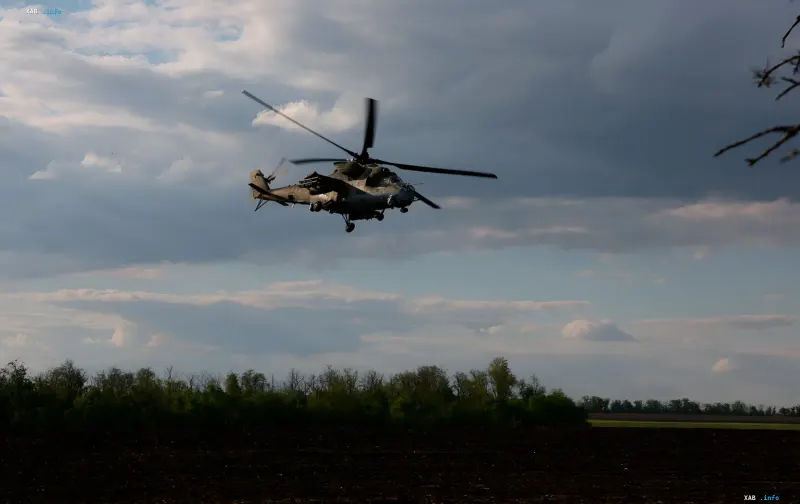
The President paid special attention to the issue of fighting drones. Zelenskyy confirmed that during negotiations with the command, a decision was made to increase the number of helicopters intended to strengthen the air defense system in the Odesa region. These machines will play a critical role in intercepting drones, which are often used to bypass traditional defense means.
Technical Potential of the Navy
The military demonstrated the current combat capabilities of the fleet to the head of state. The list of weapons presented at the meeting included:
- 'Neptune' and 'Harpoon' missile systems.
- Latest models of unmanned vehicles.
- Modern torpedoes.
By the end of the meeting, the parties identified a list of additional measures necessary to further strengthen the combat capabilities of the Navy.
Context: Protecting Port Infrastructure
Zelenskyy's trip comes against the backdrop of massive Russian attacks, which require enhanced protection on all fronts. Earlier, in May, the President had already stated the need to increase the effectiveness of air defense in Dnipro and Odesa. Despite the high percentage of target interception in Odesa, the country's leadership believes that the figures are insufficient and 'more' measures are required.
Parallel to the buildup of military power, technological solutions are also being considered. In particular, attention is drawn to the development by the Danish company BlueShadow — the Blue Dragon system. This is a swarm of autonomous unmanned boats capable of destroying 'Shaheds' at a distance of up to 20 kilometers from the shore. The implementation of such systems is intended to close a vulnerable point in defense — the protection of port infrastructure from sea strikes, where the capabilities of classic air defense are limited.


