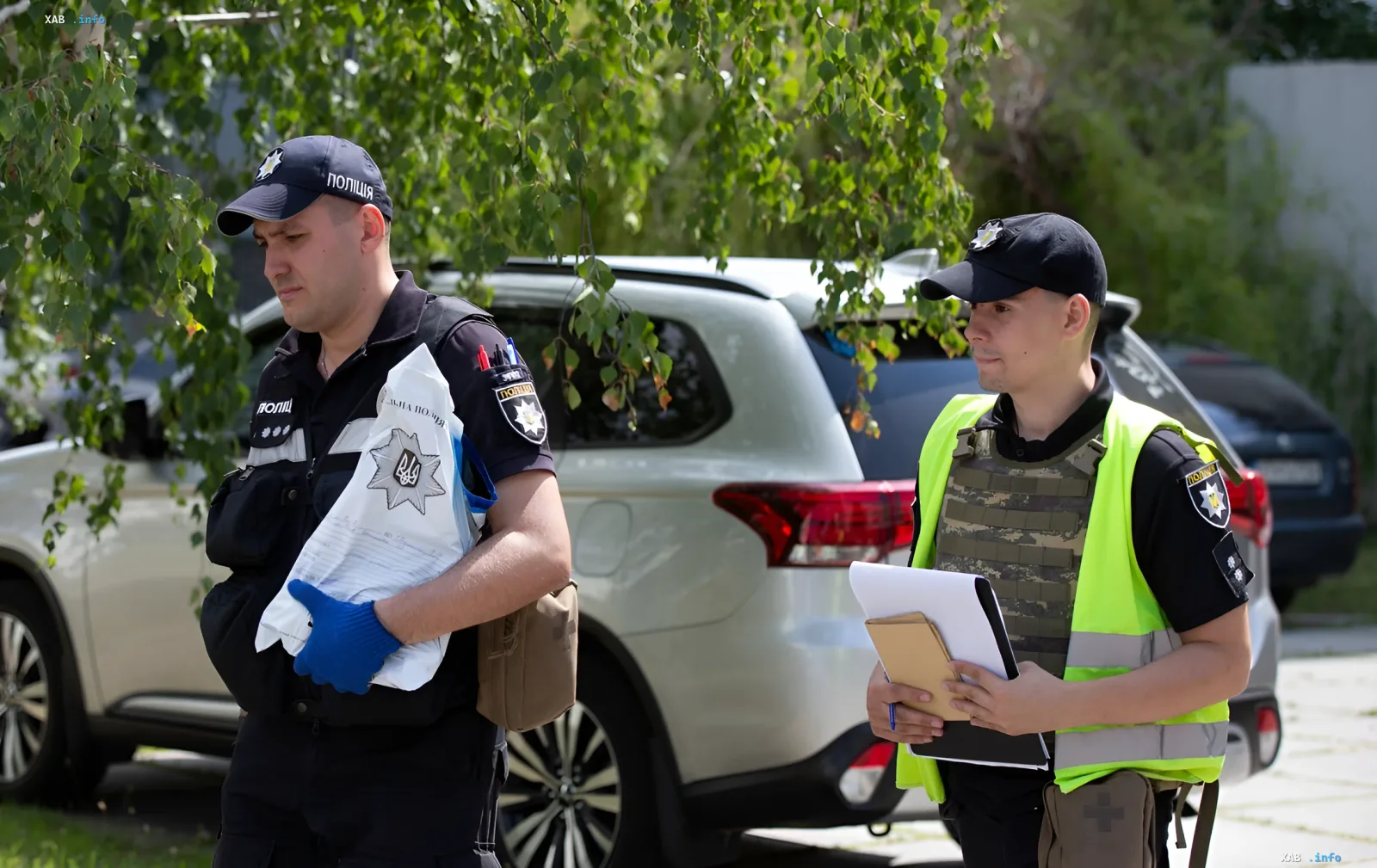
Ukrainian President Volodymyr Zelenskyy has signed a law that fundamentally changes the remuneration system for law enforcement officers and rescue services. The document introduces new standards for the pay of police officers and the junior and senior staff of the State Emergency Service (SES).
The new pay formula
The key provision of the law establishes a fixed minimum payment threshold. According to the text of the document, the monthly pay of employees cannot be less than 10 times the subsistence minimum for able-bodied persons. This figure is calculated based on the rate as of January 1 of the corresponding calendar year.
At the current moment, based on existing norms, the minimum amount is 33,280 hryvnias. Legislators emphasize that the new formula must account for the nature, intensity, and high risk of the work, as well as compensate for the physical and intellectual efforts of the employees. The main goal of the reform is stated to be the attraction of qualified personnel to the security structures.
Effective dates
It is important to note that the new conditions for calculating pay will not take effect immediately. According to the text of the law, the changes will enter into force on January 1, 2027. This will give the state time to plan the budget and gradually adapt the payment system.
Features for employees abroad
The law also contains important provisions for police officers serving abroad. For them, the mechanism of payments in hryvnia is preserved. At the same time, the document opens the possibility of receiving remuneration in foreign currency. Specific rules for conversion and accrual will be determined by the government separately.
The order of payments for employees seconded to other state bodies, institutions, and organizations is regulated separately, ensuring the legal transparency of their status.
The law's path through parliament
Before being signed by the President, the draft law passed through the Verkhovna Rada. Deputies adopted the law on modernizing the size of pay in the second reading and in general. Initiative number 6506-1 garnered the support of 269 People's Deputies, which allowed the document to pass in the parliamentary hall.


