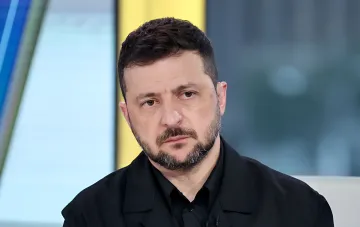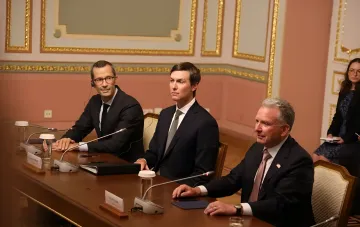
On November 19, Ukrainian President Volodymyr Zelenskyy held a meeting with US Special Envoy Steve Witkoff, Donald Trump's son-in-law Jared Kushner, and advisers to European leaders. According to RBC-Ukraine, the head of state announced this on his Telegram channel. The central topics of the conversation were security guarantees for Ukraine and the preparation of a new round of settlement talks.
Coordination Format: What Kyiv Insisted On
According to Zelenskyy, cooperation between Europe, Ukraine, and the US on the negotiating track is becoming closer, and this is precisely the format Kyiv has advocated from the start. "From the very beginning, Ukraine stood for this approach—maximum coordination between us in everything concerning European and Ukrainian security and the future," the president emphasized. Thus, the meeting in Kyiv became a practical step toward implementing a model in which the Ukrainian side acts not as an object, but as an equal participant in shaping decisions regarding its own security.
Security Guarantees and Deterrence of Russia
Separately, the participants discussed security guarantees which, from Kyiv's perspective, must become a real deterrence against Russia. Ukraine expects Washington to help assemble the first multilateral meeting of negotiating teams as soon as possible, with Europe represented fully. As Zelenskyy noted, the participants have already discussed the possible parameters of such a format and the agenda. Kyiv, according to the president, is focused on rapid work: the more actively the dialogue proceeds, the higher the chances of real progress. In conclusion, Zelenskyy thanked the US, Europe, and other partners for the assistance provided.
Berlin and the 'Coalition of the Willing': Alexander Stubb's Position
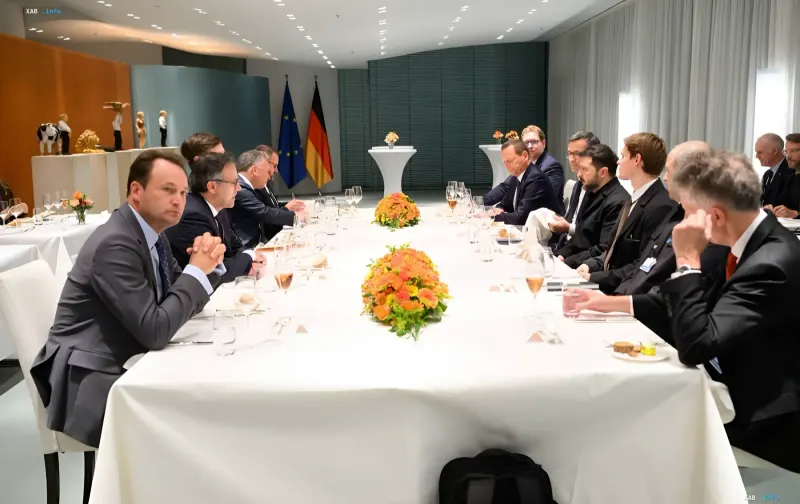
On the same day, November 19, a meeting of the "coalition of the willing" took place in Berlin, attended by Witkoff and Kushner. Following the meeting, Finnish President Alexander Stubb stated that peace in Ukraine is impossible without a personal meeting between Volodymyr Zelenskyy and Russian leader Vladimir Putin, whom he called a dictator. In Stubb's opinion, direct dialogue between leaders is an obligatory step toward ending the war. The American negotiators' visit to Berlin was a continuation of their work on this track, which, as noted, had been underway since the second decade of November.
Washington's Position: Trump's Phone Call
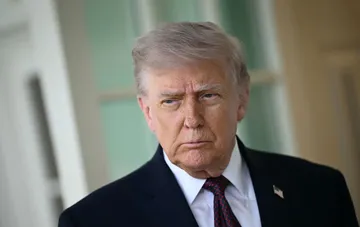
Concurrently, during a telephone conversation with European leaders, US President Donald Trump criticized the "coalition of the willing" spending on aid to Ukraine. At the same time, he promised that he would not make decisions about the war without Zelenskyy's participation. Thus, several parallel lines were outlined in a single day: Ukrainian-American coordination in Kyiv, the European meeting in Berlin, and Trump's telephone contact with EU leaders, each recording the mounting multilateral pressure on the negotiation process.