
A unprecedented debate has erupted within the Russian political establishment regarding methods for financing military expenditures. Against the backdrop of a rapidly growing federal budget deficit and the depletion of reserves, authorities are considering radical scenarios, including the forced seizure of funds from the population. This is reported by RBK-Ukraine, citing data from The Washington Post.
Appeals to Confiscate Private Capital
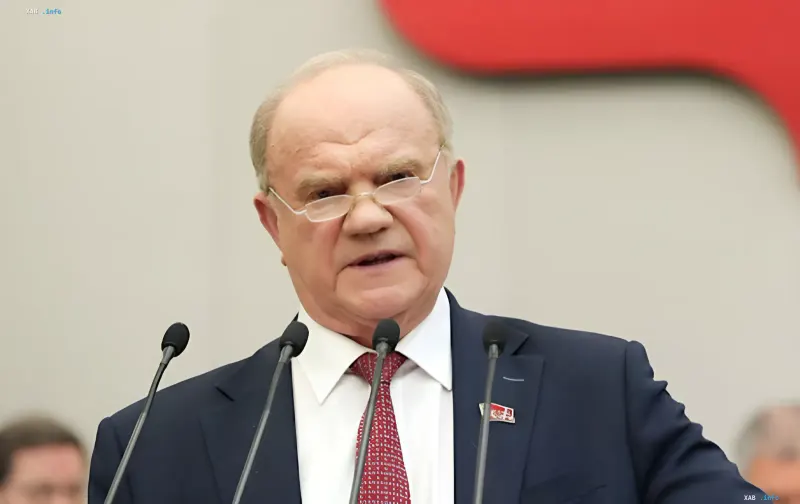
The situation intensified following a speech by the leader of the CPRF, Gennady Zyuganov, in parliament. The politician openly stated the need to "mobilize" approximately 130 trillion rubles held in the accounts of citizens and enterprises. According to Zyuganov, these funds are not working for the economy and should be redirected to the needs of the army.
"This money is not invested in production or anything else — not even in victory. This problem can be solved quickly. If I were president, I would do it with a single decree. In wartime, as the Supreme Commander-in-Chief, he has the full right to do so," emphasized the communist leader.
Financial Deadlock and Budget Deficit
Radical proposals from politicians, against the backdrop of the real economic picture, look not just like rhetoric but as a reflection of growing panic in government circles. By the end of May, the Russian Federation's budget deficit reached 6 trillion rubles (about $83 billion), which is more than double last year's figures.
Key factors of the crisis include:
- The fall in world prices for Russian oil to $50 per barrel.
- The depletion of the National Welfare Fund (NWF).
- The need to cover military expenses, which in 2026 could exceed planned figures by 4-5 trillion rubles.
Blow to Energy Infrastructure
Alongside political initiatives to seize funds, the Ministry of Finance of the Russian Federation is preparing a legislative base that could give the state access to $40 billion of Russian pension savings.
Economic pressure is exacerbated by the physical destruction of industry. An intensive campaign by Ukrainian drones against oil refineries has dealt a crushing blow to the fuel sector. In just one week, gasoline production in Russia fell by 25%. Igor Sechin, head of Rosneft, in a closed letter to Vladimir Putin, called the scale of infrastructure damage "unprecedented".
Erosion of Macroeconomic Indicators
Experts note that the Russian economy has reached a dead end. Financing the war is happening at the expense of depleting internal resources and destroying the civilian sector. Regular strikes on military and industrial infrastructure are slowing GDP growth rates, forcing the Kremlin to increase domestic borrowing and expand public debt.
The main macroeconomic advantage that the country's leadership has boasted about for years — low public debt — is rapidly disappearing. In conditions where traditional sources of income are drying up, authorities are forced to find new ways to maintain the war machine, which inevitably leads to confiscatory measures against their own population.


