Massive Attack: 106 Drones and Missiles Across Three Directions
On the night of August 16, 2026, Russia launched one of the most significant attacks in recent times, deploying 106 strike unmanned aerial vehicles (UAVs) and various types of missiles. According to the Air Force of the Armed Forces of Ukraine, the occupiers attacked Ukraine along three main directions, using Oniks anti-ship missiles, Iskander-M ballistic missiles, S-400 and KN-23 systems, as well as Kh-59/69 air-to-surface guided missiles. Launches were conducted from the Kursk, Bryansk, and Voronezh regions of Russia, as well as from the airspace of the Kherson region.
The main strike targeted the Kyiv, Poltava, and Dnipropetrovsk regions. Among the targets were industrial facilities, infrastructure, and civilian zones. Specifically, impacts were recorded in Kyiv, Kremenchuk, and Kryvyi Rih. Preliminary data indicates that by 08:00, Ukraine's air defense had shot down or suppressed 85 drones and three air-to-surface guided missiles.
Casualties and Destruction: Consequences of the Attack
As a result of the night attack, at least four people were injured. In Kyiv, where the Obolon and Holosiiv districts were hit, three people sustained injuries, and fires and destruction were recorded. In Kryvyi Rih, where the strike targeted industrial facilities, one person died, and several others were injured. Debris from shot-down drones and missiles fell in three locations, necessitating emergency demining and cleanup operations.
Contradictory Data
There are discrepancies in the estimates of the number of drones and missiles shot down. The Air Force of the Armed Forces of Ukraine reports 85 drones and three Kh-59/69 missiles shot down. However, other sources, including local authorities and independent observers, point to a potentially higher number of targets destroyed, particularly in the Kyiv and Dnipropetrovsk regions. There is also no consensus on the exact number of impact sites: some sources cite 13 locations, while others mention nearly 30. These discrepancies may be due to delays in data collection or differences in counting methodologies.
Air Defense Strategy and Defense Effectiveness
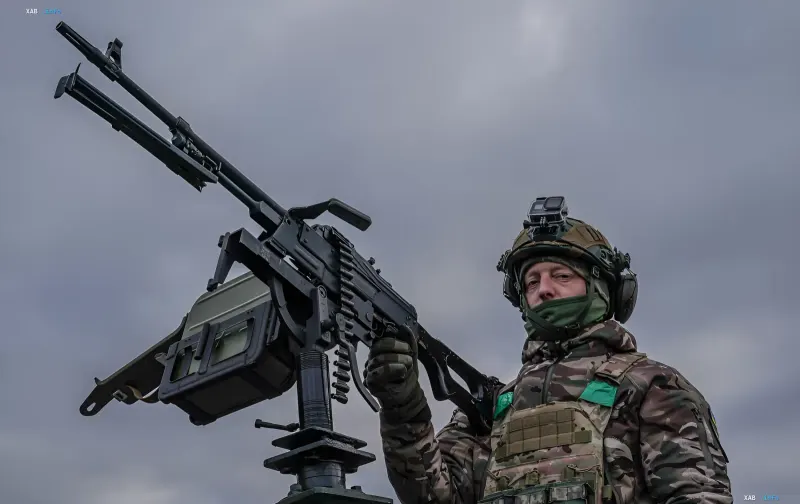
Despite the scale of the attack, Ukrainian air defense demonstrated high effectiveness. The defense system managed to neutralize more than 80% of all launched targets, indicating significant progress in the organization of air defense. Actions were particularly successful in the center and south of the country, where the majority of Shahed and Gerbera type drones were shot down. It is also worth noting the use of imitation drones like 'Parody,' which were likely used to distract air defense and create false targets.
Context and Prospects: Escalation or Tactical Maneuver?
The attack on the night of August 16, 2026, may be part of a broader Russian strategy to weaken Ukrainian infrastructure and demoralize the population. However, given the high effectiveness of the air defense, it can be assumed that Russia is attempting to find new vulnerabilities in Ukraine's defense system. In the coming days, an analysis of the enemy's tactics and adjustments to air defense strategies are expected. It is also important to note that such attacks may signal an escalation of the conflict, requiring increased attention from Ukraine's international partners.