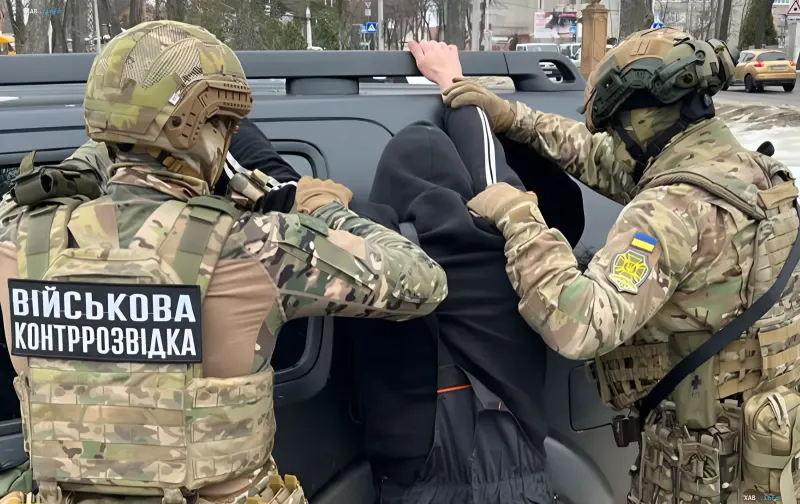
The Security Service of Ukraine (SSU) has thwarted a brazen crime by detaining a minor resident of Chernivtsi in Khmelnytskyi who was recruited by Russian special services. The 16-year-old teenager was drawn into illegal activities via popular messengers while searching for so-called easy earnings. Handlers from the Russian Federation tasked him with manufacturing an improvised explosive device to carry out a terrorist attack against a serviceman of the Armed Forces of Ukraine.
Chronology of Terrorist Plot Preparation and Bomb Assembly
According to the investigation, following the recruitment contact, the young man arrived in Khmelnytskyi, where he began purchasing the necessary components to create explosives. Having received further instructions, he retrieved TNT with an electric detonator from a pre-arranged cache, after which he equipped the improvised explosive device with shrapnel elements in the form of metal nuts. The agent placed the completed bomb in a stash intended for the direct perpetrator of the crime, and installed a remote video surveillance camera on a nearby tree to monitor the location.Detention of the Suspect and Severe Legal Sanctions
Operatives of the Ukrainian special service acted proactively and detained the suspect directly at the city bus station while he was attempting to flee and leave Khmelnytskyi. During an urgent personal search, a smartphone containing detailed correspondence with Russian handlers was seized from the detainee, serving direct proof of his work for the enemy. SSU investigators have already served the teenager with a notice of suspicion under a particularly serious article of the Criminal Code — high treason committed under martial law.Preventive Measures and Context of Countering Sabotage
Currently, the suspect is held in custody without the right to bail, given the severity of the incriminated act and wartime conditions. For the committed crime, he faces the maximum penalty of life imprisonment with confiscation of property. This case demonstrates the ongoing practice of Russian special services actively involving minor citizens in subversive and terrorist activities on the territory of Ukraine through social networks and Telegram channels.
Contradictory Data
In open sources and official reports by law enforcement agencies, details of the recruitment of minors and methods of financial incentive often differ. Some regional media resources focus exclusively on the financial motive, while investigative materials point to complex psychological pressure and manipulation by career officers of enemy special services using anonymous chats.