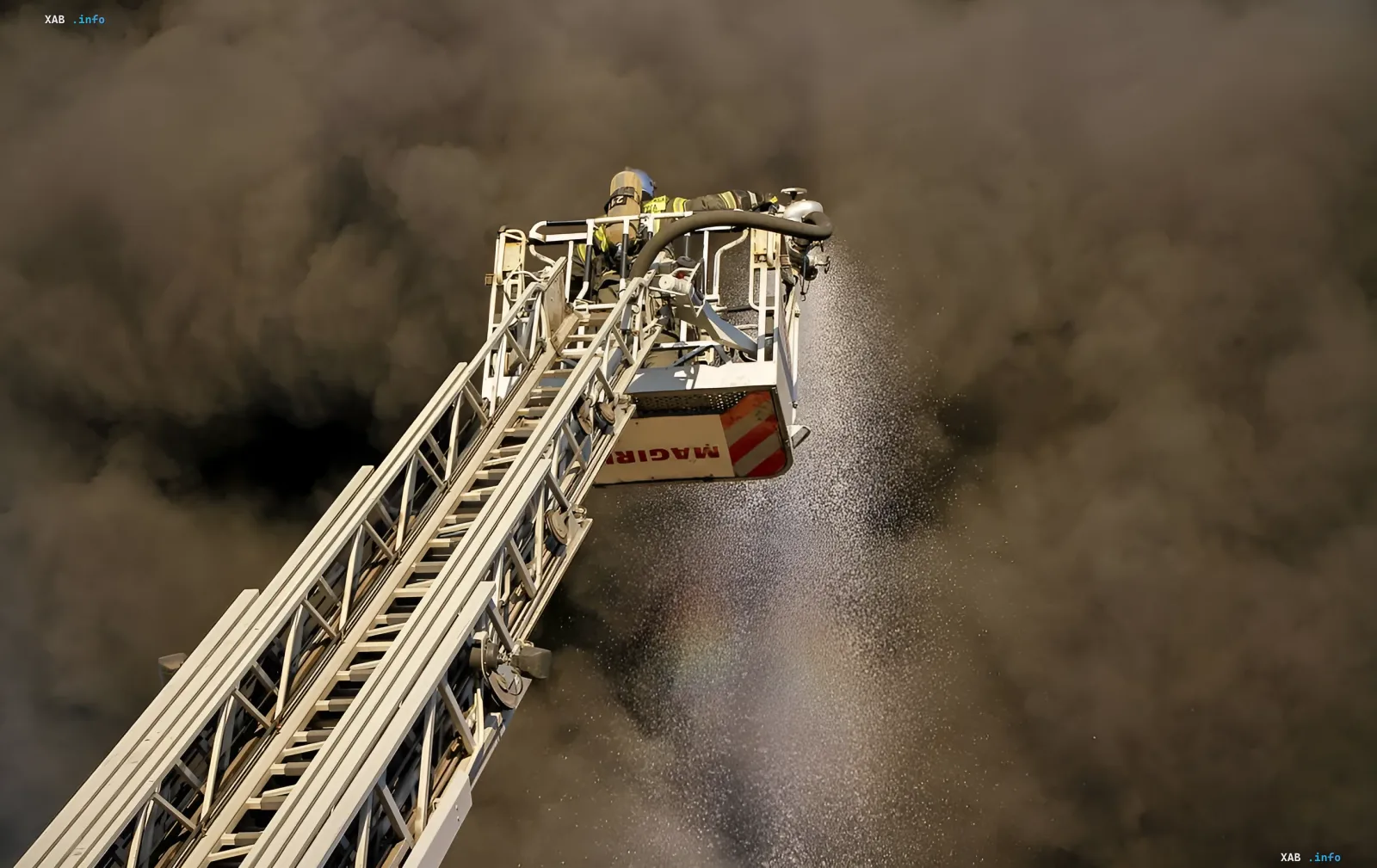
On the night of October 7, 2026, Russian regions faced one of the largest air attacks using unmanned aerial vehicles. According to the Ministry of Defense of the Russian Federation, the strike affected 17 constituent entities of the country, with Ukrainian forces deploying hundreds of fixed-wing drones for the assault.
Scale and Geography of the Night Strike
The massive raid began late in the evening and continued throughout the night. The official Russian defense department traditionally does not disclose exact figures on the number of devices used in each individual wave, but overall numbers indicate the strategic nature of the operation. According to reports from the Russian military, on-duty air defense systems intercepted and destroyed 311 Ukrainian UAVs.
Range Assessment and Conflicting Data
Conflicting data comes from various sources regarding the geography of interceptions and potential ground impacts. While federal reports claim the successful repelling of all air threats by air defense forces, independent analysts recorded at least one group of drones flying up to 1,500 kilometers from the Ukrainian border. Regional Telegram channels and monitoring groups reported explosions in several regions, although official authorities have yet to confirm direct hits on critical infrastructure facilities.
Escalation Context and Mirror Strikes
The night attack on Russian regions unfolded against the backdrop of mirrored and intense shelling of Ukrainian territory. Literally in the same hours, Kyiv, Kremenchug, and other Ukrainian cities suffered massive missile and drone strikes. Experts note a sharp escalation of the war of attrition in the air, with both sides actively using long-range strike capabilities to deplete air defense reserves and inflict maximum damage on enemy logistical hubs.