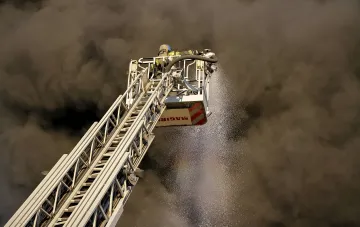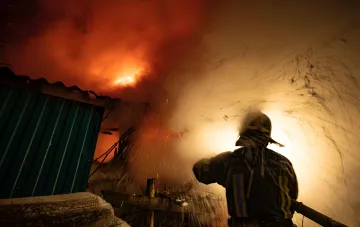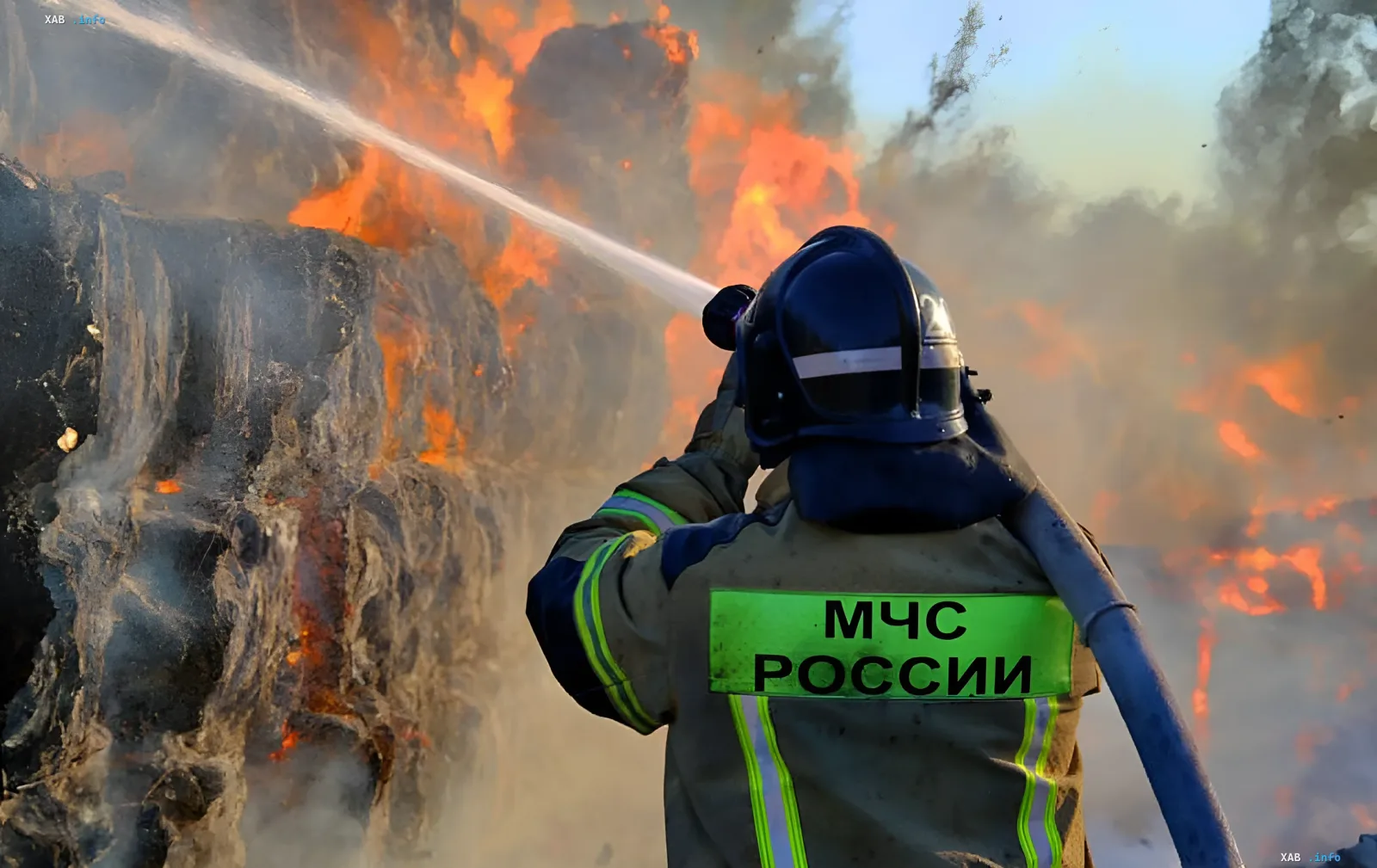
Last night, powerful explosions thundered across dozens of Russian regions and occupied Crimea as a result of a massive air attack organized by the Ukraine Defense Forces. According to the Russian Ministry of Defense, the air raid on Russian regions began at 20:00 Moscow time on October 7, 2026, and continued uninterrupted for twelve hours, until 08:00 on the current day, October 8.
Scale of the Operation and Geography of Strikes
During this operation, unprecedented in its scope, Ukrainian drones hit targets in 20 regions of the Russian Federation simultaneously. The Russian defense agency traditionally refrained from naming the exact total number of deployed devices, but the official report implies that more than four hundred drones were involved. It was stated that air defense forces destroyed and suppressed 399 fixed-wing unmanned aerial vehicles.
Damage to Strategic MIC and Energy Facilities
One of the key episodes of the nighttime raid was a strike on the territory of the Republic of Bashkortostan, where a hit was recorded at the Gazprom Nekhim Salavat enterprise. This complex is one of the largest oil refining and petrochemical centers in the country. Eyewitnesses report a massive fire at the facility, while experts note the flight range of the drones, which covered about 1,400 kilometers to the target. Simultaneously, the Sasta machine-tool plant, which plays a critical role in supporting Russia's military-industrial complex, was attacked in the Ryazan region. A large Yandex data center with a power capacity of up to 12 MW is also located near this enterprise.
Contradictory Data
While the Russian military department claims the successful destruction and suppression of nearly four hundred strike drones, independent observers and footage from the scenes point to successful hits on critical infrastructure. Discrepancies concern both the effectiveness of air defense systems and the real scale of destruction at strategic industrial facilities, including the petrochemical complex in Bashkiria and the plant in the Ryazan region, where fires were recorded.
Consequences and Expert Assessment
The nighttime attack demonstrated the ability of Ukrainian forces to strike deep into Russia's rear areas, overcoming vast distances and modern tiered air defense systems. Damage to oil and gas sector enterprises and engineering plants deals a severe blow to the logistics and production chains of the Russian military-industrial complex, significantly altering the dynamics of confrontation at a strategic level.