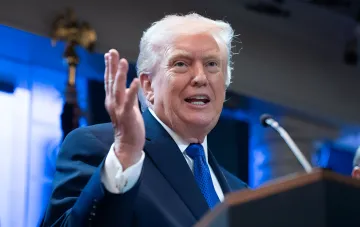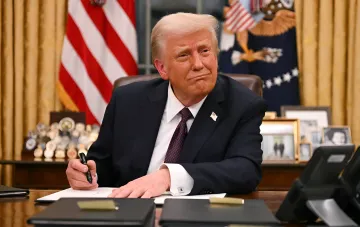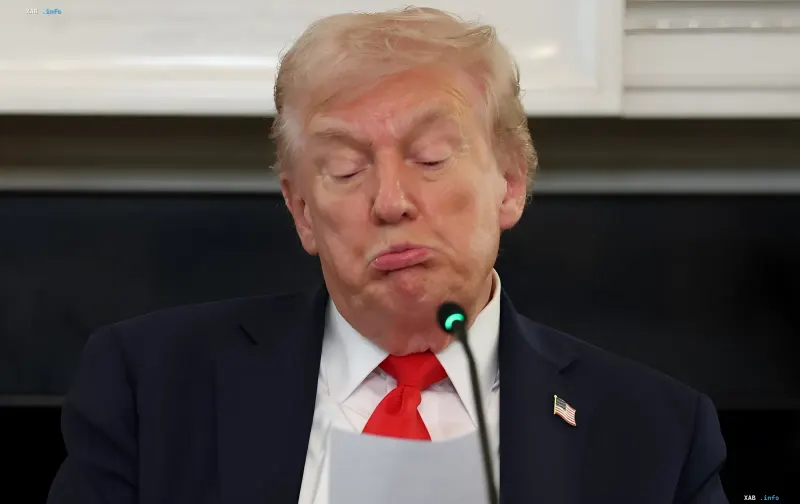
A major legal conflict is unfolding in the United States between the federal government and regional authorities. Twenty-five states have joined forces to file a collective lawsuit against the administration of President Donald Trump. The grounds for the legal proceedings are new import tariffs, which, according to the plaintiffs, constitute an illegal attempt to increase the tax burden on businesses and citizens.
Circumventing the Supreme Court Ruling
The main accusation by the coalition of states is that the White House is using trade tariffs as a tool to circumvent a Supreme Court ruling. Previously, the country's highest judicial body overturned preliminary tariff measures proposed by the administration. Now, according to state lawyers, Washington is attempting to achieve the same goals under a different pretext.
Letitia James, the Attorney General of New York, who is leading the initiative, stated directly that after losing in the Supreme Court, the administration is again trying to illegally raise taxes for families and companies. Major economic centers of the country have joined the lawsuit, including California, Pennsylvania, Michigan, Wisconsin, Oregon, Arizona, and Washington.
Arguments of the Sides: Forced Labor vs. Global Tariffs
Last month, the US introduced new double-digit tariffs against 59 countries and the European Union. The official justification from Washington sounded like a fight against the import of goods that may be manufactured using forced labor. According to the administration, the new tariffs were introduced in accordance with Section 301 of the Trade Act of 1974.
The tariff rates range from 10% to 12.5%. These measures cover countries that account for about 99% of all US imports. The White House insists that it is using legal authority to eliminate trade practices that harm American workers and companies.
However, the plaintiffs in their lawsuit point to the lack of a logical link between the stated goal and the measures taken. "There is no rational correspondence between the alleged problem of forced labor in international supply chains and broad global tariffs," it says in the documents submitted to the court. The states argue that the labor issue is being used merely as a pretext for introducing broad financial restrictions.
Tariffs as a Tool of Pressure
With Donald Trump's return to the White House, tariffs have become a key lever in his trade policy. The President states that the US has long been in a disadvantageous position in international trade and is using tariffs to negotiate with partners.
The administration's rhetoric is not limited to economic arguments. Trump regularly threatens to raise tariffs in response to various actions by other countries. Recently, he threatened Canada with tariffs due to forest fires, the smoke from which covered US territories. The President also warned the European Union of possible sanctions in response to a $1 billion fine imposed by European regulators on the corporation Google.