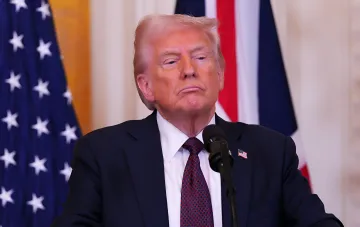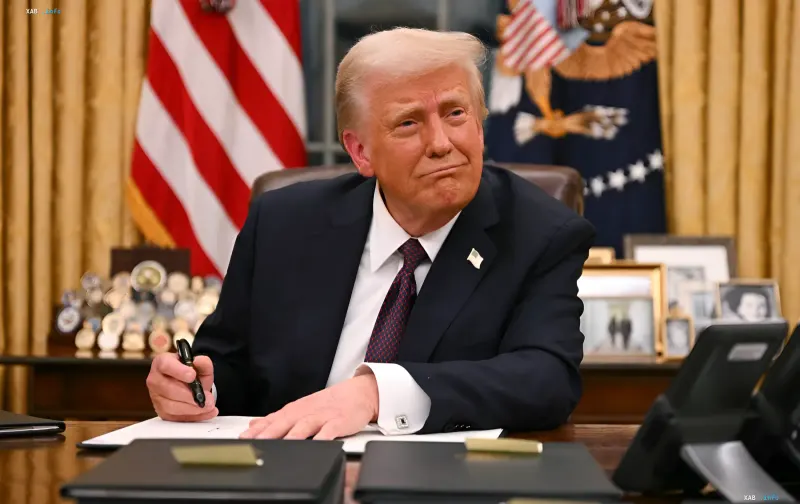
On August 13, 2026, an event occurred in the White House that could radically change the global market for unmanned aerial vehicles (UAVs). US President Donald Trump signed an executive order imposing strict tariff restrictions on the import of drones and their components. This decision, announced against the backdrop of ongoing geopolitical tensions, is aimed at protecting American industry and reducing dependence on foreign suppliers of critical technologies.
Staged Tariff System: from 10% to 100%
According to an official notice published on the administration's website, the new tariffs have a differentiated structure. For the most sensitive categories of goods, such as heavy drones weighing more than 25 kg and models equipped with thermal imaging cameras, a maximum tariff of 100% has been set. This effectively makes the import of such devices from unfriendly jurisdictions economically unfeasible. For smaller drones and standard components, a tariff of 25% is provided.
Diplomatic Exemptions and Conditions for Allies
The order outlines special conditions for key US trading partners. For products manufactured in European Union countries, Japan, South Korea, Switzerland, Liechtenstein, and Taiwan, the tariff rate has been reduced to 15%. The United Kingdom received special status: a tariff of 10% is set for British goods, but it applies strictly on the condition that the hardware, software, and technologies used in production were created in the US or in the aforementioned friendly countries.
Effective Dates and Exemptions
The new rules will take effect 21 days after the signing of the document. However, a transition period of 180 days is provided for components that do not fall into the category of highly sensitive items. The White House also left room for flexibility: if the Department of Defense approves an exemption for certain goods from the Federal Communications Commission (FCC) restrictions list within 20 days, tariffs on them will also take effect in six months.
Context: Continuation of Protectionist Course
This order is a logical continuation of the Trump administration's trade policy in 2026. A week earlier, the president signed a similar document imposing restrictions on the import of polysilicon, which is also aimed at reducing dependence on China. Furthermore, at the end of July of the current year, the resumption of trade policy against Brazil and threats against Canada and the European Union were recorded, indicating a massive review of global trade ties.