Against the backdrop of the impending change of power in Kyiv, the current government is finalizing its work on critically important issues regarding the country's survival. At the final meeting of the Cabinet of Ministers, the mechanism for the distribution and use of 40 billion hryvnias allocated for winter preparation within the framework of the so-called "Resilience Plans" was approved.
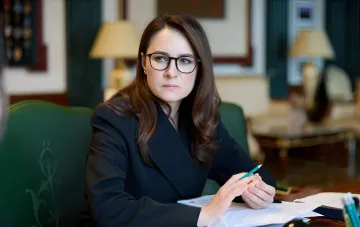
As reported by RBC-Ukraine, citing a statement by former Prime Minister Yulia Svyrydenko, this decision became one of the last steps of the outgoing government before transferring power to the new team.
Scale of Financing and Objectives
The total amount of funds already allocated for the implementation of "Resilience Plans" is impressive. 67.8 billion hryvnias have been spent from the state budget for these purposes, while local budgets contributed 9.6 billion hryvnias. In total, almost 80 billion hryvnias have been invested in the program.
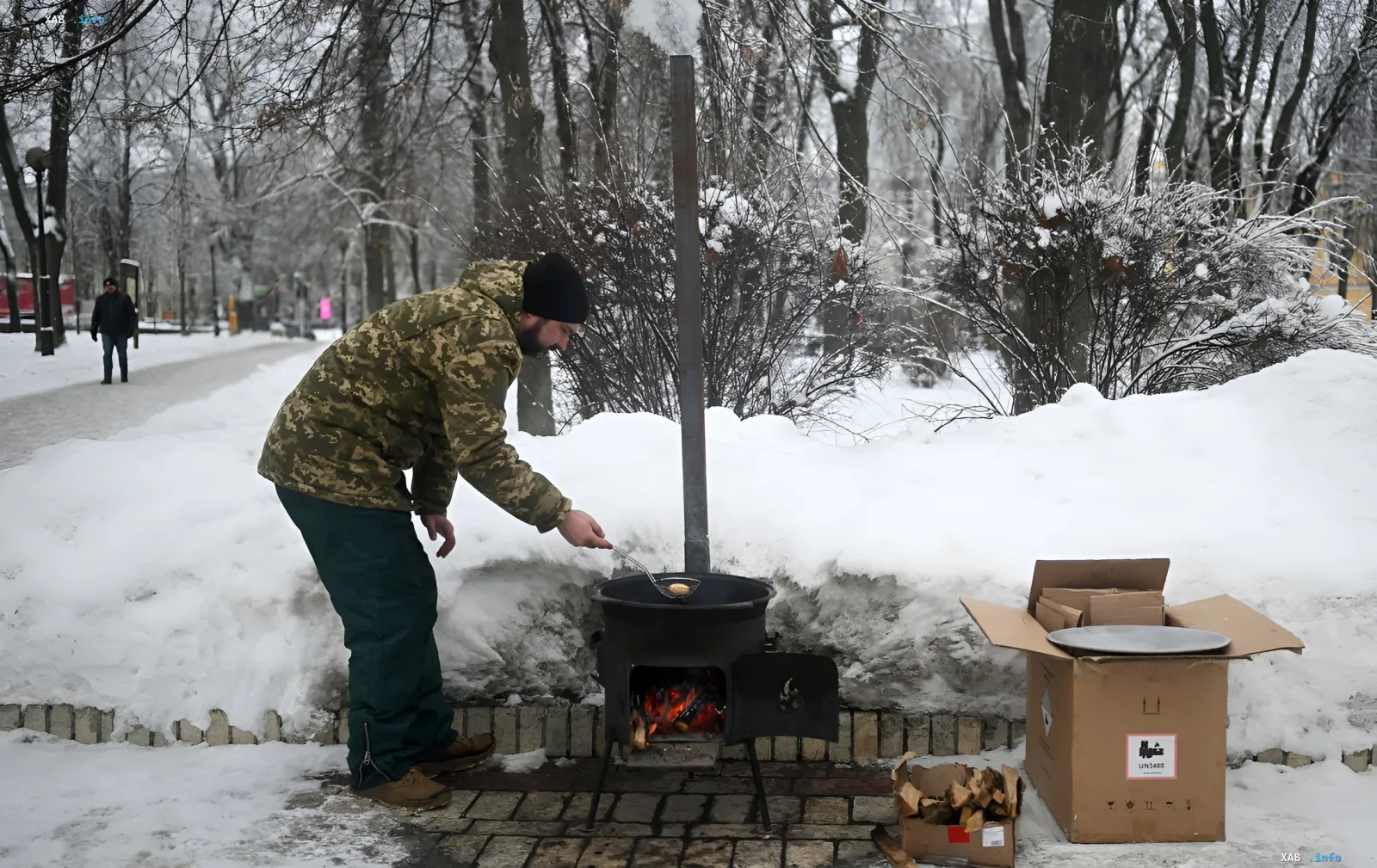
The development of these plans was carried out by the government jointly with the regions since March of this year. This was done to implement the decision of the National Security and Defense Council (NSDC). The main task facing officials is to ensure the operability of critical infrastructure under conditions of constant attacks. This refers to guaranteed heat, water, and electricity for the population in the upcoming heating season.
Regional Statistics: Who Made It and Who Didn't
Despite significant funding, the overall picture of regional readiness is uneven. According to media reports, on average across the country, "Resilience Plans" are implemented only to the extent of 40%. However, among the regions, there are both leaders and clear outsiders.
The best preparation rates are demonstrated by:
- Dnipropetrovsk region;
- Kyiv region;
- Zhytomyr region;
- Rivne region;
- Cherkasy region.
At the same time, the list of laggards includes regions that are traditionally considered economically developed or are in close proximity to the capital. Among the outsiders in terms of readiness are the Lviv and Ivano-Frankivsk regions, as well as the city of Kyiv.
Change of Power and the Future of the Program
The decision on the mechanism for using 40 billion hryvnias was made in the context of political rotation. The Verkhovna Rada supported Yulia Svyrydenko's resignation on July 14, which led to the resignation of the entire Cabinet of Ministers.
The main favorite for the post of the new head of government is currently called Serhiy Koretskyi, who currently heads the national company "Naftogaz". It is he and his team who must finish the work on winter preparation, relying on the mechanisms laid down by predecessors and the remaining funds.