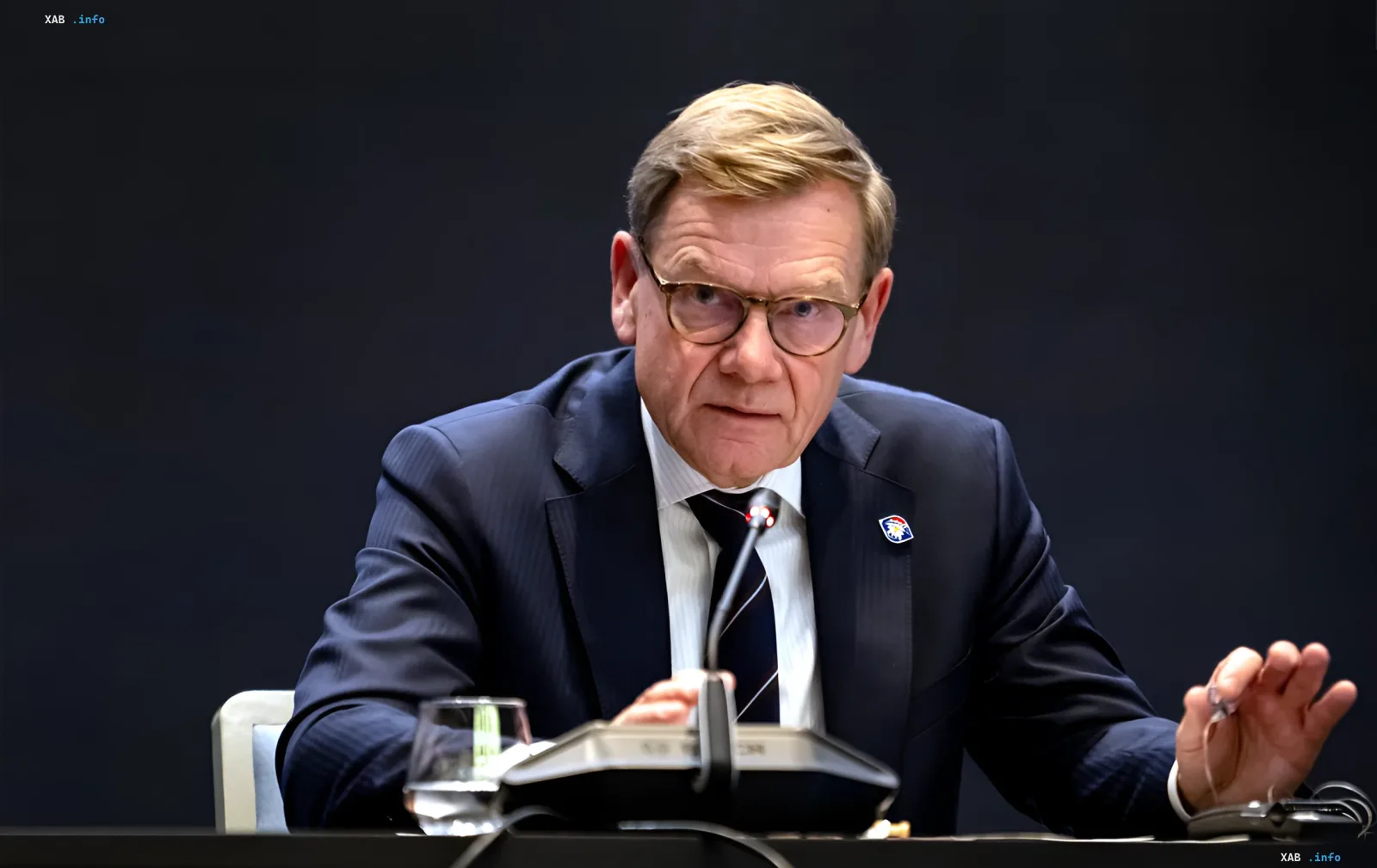
German Foreign Minister Johann Wadephul has issued a stark statement regarding the Kremlin's geopolitical ambitions. According to him, Russian dictator Vladimir Putin has not abandoned his attempts to recreate a semblance of the Soviet Union, which directly threatens the security of several European states. Wadephul emphasized that Georgia, Moldova, and the Baltic states—Estonia, Lithuania, and Latvia—are at risk.
The Roots of the Kremlin's Imperial Policy
The German diplomat recalled a programmatic statement made by Putin two decades ago, when he called the collapse of the USSR "the greatest geopolitical catastrophe of the 20th century." Wadephul is convinced that this remark was not just a figure of speech, but a long-term strategic directive. "If it was the greatest catastrophe, he probably wants to fix it. Since the Baltic states are members of NATO and the EU, any aggression against them would be a direct challenge to the entire Alliance," the minister stated.
The War in Ukraine as an Element of Expansion
Wadephul harshly criticized domestic political discussions in Germany regarding the need to reduce or terminate aid to Kyiv. In his view, any attempt to distance Germany from the Ukrainian conflict will be perceived by Moscow as Western weakness. The minister stressed: "Berlin has no right to abandon its support for Ukraine while the war continues and Russia finds itself in a deadlock that requires a decisive response."
Contradictory Data
There is a debate regarding Russia's current capabilities. Some experts, citing estimates in the media (including recent data on the growth of Russia's military budget), argue that Russia is capable of sustaining a high-intensity conflict for a long time. At the same time, Wadephul insists that economic pressure and Western sanctions have already significantly limited Moscow's technological and material capabilities, creating conditions for potential negotiations if Russia shows genuine willingness.
Consequences for European Security
The situation requires Europe to revise its defense strategies. In the context of reports about the deployment of missile systems and the escalation of Kremlin rhetoric, Wadephul calls for unity. Any attempt by Putin to destabilize the situation in EU countries will meet with a firm response from allies, as evidenced by the strengthening of NATO's eastern flank in 2026.