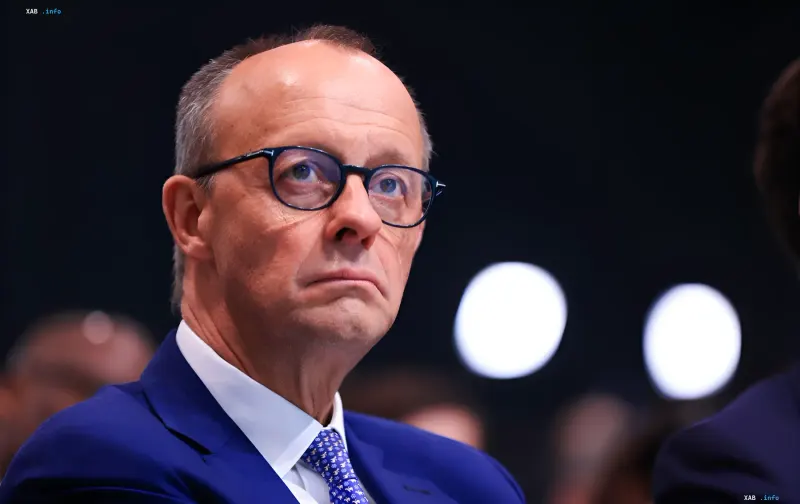
In Berlin, it has been officially confirmed that following the conclusion of negotiations in Abu Dhabi aimed at resolving the conflict in Ukraine, the probability of a direct telephone contact between German Federal Chancellor Friedrich Merz and Russian President Vladimir Putin has increased significantly. This was stated by German government spokesperson Steffen Cornelius during a briefing in Berlin. According to him, during the meeting in the UAE, the parties reached a certain understanding of the basic principles upon which future agreements could be built, and this position will now be communicated to the Russian president. "Further negotiations can develop on this basis," Cornelius emphasized, without revealing specific details of the principles discussed.
The Kremlin previously confirmed readiness for dialogue
The possibility of such contact does not come as a surprise to Moscow: the Kremlin had previously stated Vladimir Putin's readiness for direct contact with representatives of the European Union as a whole, as well as with the German Chancellor personally. Presidential press secretary Dmitry Peskov, while commenting on journalists' questions, emphasized that the Russian leader is open to dialogue with Merz, as well as with French President Emmanuel Macron. Friedrich Merz himself, speaking last Friday, November 6, did not rule out the possibility of a personal meeting with Putin, particularly in the event of his attendance at the December G20 summit, which, according to available data, is scheduled to take place in Miami.
Foreign Minister's silence at G20 meeting in Atlanta
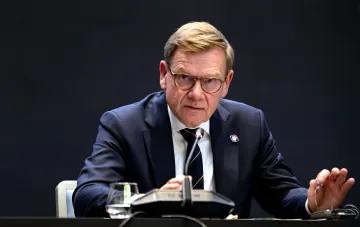
Notably, against the backdrop of these statements, German Foreign Minister Johann Wadephul chose not to comment on the question regarding the preparation of a possible call between the two leaders. At the G20 foreign ministers' meeting held on October 30–31 in Atlanta, USA, as part of the American presidency of the G20, the German diplomat left the journalists' question unanswered. The Russian delegation at the same meeting was led by Sergey Lavrov. Wadephul had previously explained his general diplomatic stance by stating that in international relations, "the content of conversations is far more important than who happens to be standing nearby in a photo," refusing, in particular, a joint photograph with Lavrov.
Domestic political context: elections and the EU budget
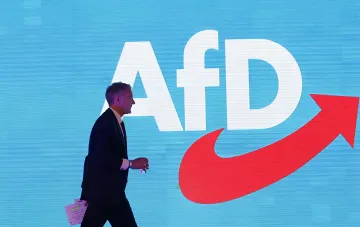
The potential contact between Berlin and Moscow is being discussed against the backdrop of a complex domestic political situation in Germany. In September of this year, regional elections in Saxony-Anhalt brought a crushing victory for far-right forces, and Chancellor Merz's party suffered a heavy defeat, which caused serious political turmoil in the country. Concurrently, Merz harshly criticized Slovak Prime Minister Robert Fico for his unwillingness to support anti-Russian sanctions and also announced his intention to block the adoption of the next seven-year EU budget if all member states do not agree to further financial support for Ukraine. These statements underscore that the issue of Ukrainian settlement and relations with Russia remains one of the key domestic political factors influencing the Chancellor's position before his own party and European partners.
What's next
At the moment, there is no information about the preparation of a specific conversation between Merz and Putin at the level of working documents. Official Berlin limits itself to the phrasing that an "understanding of basic principles" will be communicated to Moscow, after which "negotiations may develop." The December G20 summit in Miami, according to the Chancellor himself, could become a platform for a personal meeting between the two leaders; however, neither the date nor the format of such a contact has been confirmed by either side yet. Diplomatic observation of the situation remains key to understanding whether the negotiation track between Berlin and Moscow will take on a sustainable character or remain at the level of declarative statements.