European Union leaders gathered in Dublin on November 13 are facing one of the most acute internal dilemmas in recent times: they cannot agree on who exactly will represent the European bloc in negotiations to resolve the conflict involving Ukraine and Russia. According to Politico, at least three camps have formed around the question of representation, and diplomats estimate that reaching a consensus at the current meeting is unlikely. Nevertheless, according to a senior official familiar with the discussions, leaders may come closer to a shared understanding of the format in which Europe should be represented in future rounds of talks.
Three Camps and Candidate Costa
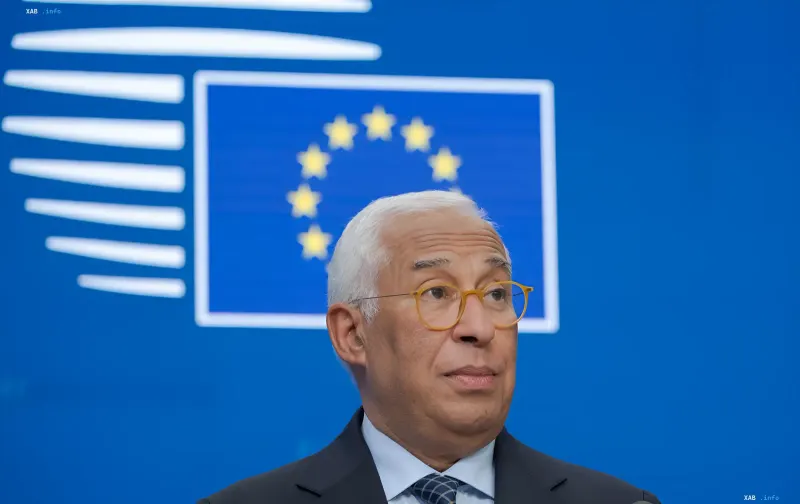
The candidacy of European Council President António Costa is gaining the most support among EU capitals. His supporters point out that the position of European Council chief already entails representing the bloc's leaders at the international level, making his appointment logical and requiring no additional institutional changes. Costa’s candidacy was publicly supported by Estonian Prime Minister Kristen Michal, as well as the leaders of Poland and Luxembourg. Italian Prime Minister Giorgia Meloni stated that she does not object to such a decision, although she did not voice active support.
Kallas as an Alternative and the Positions of Paris and Berlin
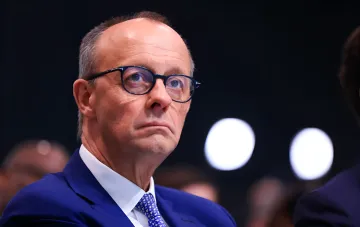
The second option is appointing EU High Representative for Foreign Affairs Kaja Kallas as the representative. However, her candidacy is controversial: some diplomats believe that Kallas’s hawkish reputation regarding Russia will complicate the negotiation process with the Kremlin, while others call it an advantage that allows negotiations to be conducted from a position of strength. The third camp is formed by France and Germany, who, according to Politico sources, are unlikely to support a decision granting EU institutions the exclusive right to represent Europe. German Chancellor Friedrich Merz advocated for maintaining the participation of individual countries: “We are also working together on this task with five representatives — from Germany, Great Britain, France, Italy, and Poland. I see no problem in keeping this format,” he stated.
Deadline Pressure and the Abu Dhabi Context
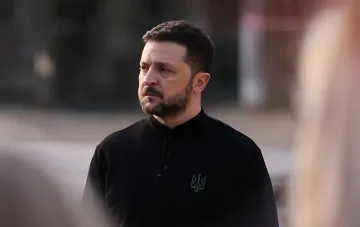
Ukrainian President Volodymyr Zelenskyy previously urged European partners to decide on a representative by the end of November: “I think that in November, no later, we need to make a decision on who will represent Europe in the negotiations.” This statement came against the backdrop of talks held on November 10–11 in Abu Dhabi between representatives of Ukraine, the US, and Russia, in which European countries did not directly participate, although the Ukrainian side held parallel consultations with partners. Following Abu Dhabi, US envoys Steve Witkoff and Jared Kushner met with Vladimir Putin in Moscow, and then with Volodymyr Zelenskyy in Dublin.
Diverging Assessments of the Next Round
According to Witkoff, the Russian side agreed to European participation in the next round of negotiations. At the same time, Russian Presidential Aide Yury Ushakov has not publicly confirmed this. Zelenskyy insists that Europe must participate in discussions on future security arrangements, because Russia's goals, he says, concern not only Ukraine but the security architecture of the entire continent. Michal, in turn, emphasized that bilateral contacts of individual countries with Moscow should not hinder the formation of a common EU position on decisions affecting the entire continent.
Thus, the Dublin summit on November 13 is unlikely to conclude with the official appointment of an envoy, but it could lay the groundwork for a compromise format that will allow Europe to appear at the next round of talks with a single or at least coordinated voice.