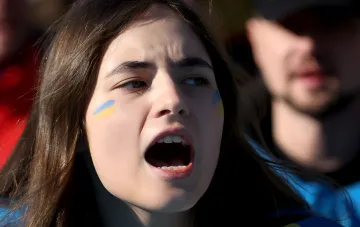
Amid the ongoing military conflict, public opinion in Ukraine demonstrates a steady trend towards rejecting territorial concessions. According to the latest data from the Kyiv International Institute of Sociology (KMIS), published in August 2026, an overwhelming majority of citizens — 60% — consider the transfer of control over all of Donbas to Russia categorically unacceptable, even in exchange for security guarantees.
Public Opinion Dynamics: Growing Categoricity
Sociologists are recording a significant shift in public sentiment compared to previous measurements. If as recently as April 2026, the share of citizens opposing the transfer of territories was 57%, this figure has now risen to 60%. The opposite trend is observed in the group of those who allow for the possibility of compromise: their share has decreased from 36% to 33%.
Experts note that 7% of respondents were unable to determine their position. This indicates that the issue of territorial integrity remains one of the most acute and emotionally charged in Ukrainian society. Despite war fatigue, the idea of territorial concessions meets stiff resistance.
The Kyiv Paradox: Hardline Position Amidst Shelling
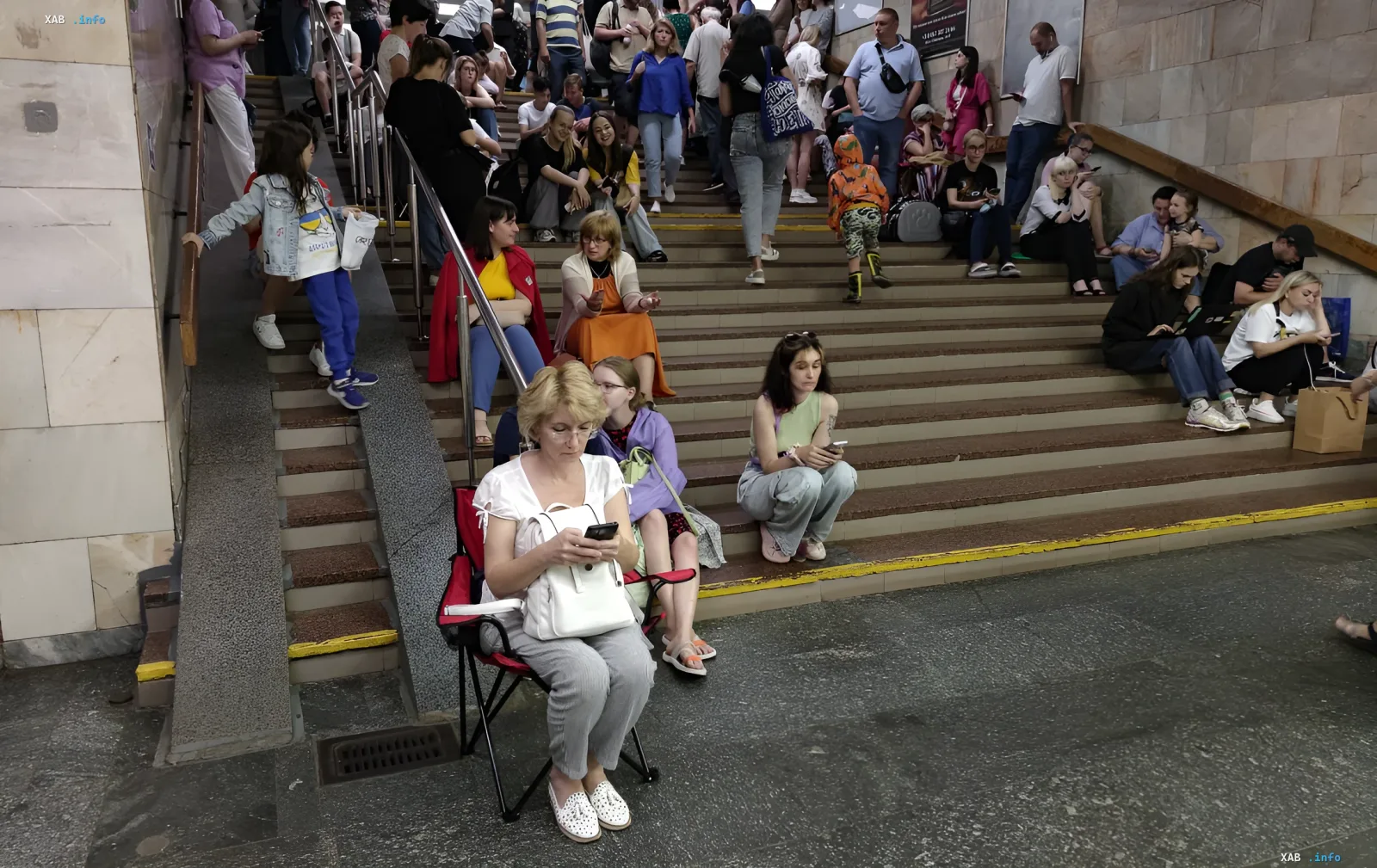
Of particular interest to analysts is the situation in the capital. Kyiv, which is subjected to regular bombardments by ballistic missiles and other munitions, demonstrates an even harder line than the national average. The willingness of Kyiv residents to approve the transfer of Donbas has dropped from 34% to 26%.
At the same time, the share of capital residents who categorically reject territorial concessions has risen from 62% to 69%. Sociologists interpret this phenomenon as a strengthening of patriotic spirit and determination to defend sovereignty even under conditions of direct military threat. Kyiv residents, being in the epicenter of hostilities, are not ready to make concessions that could be perceived as capitulation.
Impact on Geopolitical Priorities
The poll results also shed light on the geopolitical preferences of Ukrainians. Against the backdrop of high commitment to European integration, a certain decline in support for integration into the North Atlantic Alliance has been recorded. This may be related to disappointment in the speed of obtaining security guarantees from Western partners.
Nevertheless, the majority of Ukrainians still believe in the possibility of victory in the war, although opinions on the future borders of the country remain divided. The poll shows that for a significant part of society, the issue of territorial integrity is an inviolable principle that is not open for discussion within the framework of peace negotiations.
Contradictory Data
Although the main data from the KMIS poll appear unambiguous, there are nuances in interpretation. On the one hand, the growth in the share of categorically opposed opponents of concessions speaks of societal consolidation. On the other hand, the retention of a 33% share of those ready to compromise indicates the presence of a significant segment of the population tired of the war and ready to consider complex scenarios for peaceful settlement.
Furthermore, different regions of Ukraine may show differences in the perception of the situation. If the position in Kyiv and western regions is harder, then in regions directly affected by hostilities, sentiments may be more complex and ambiguous. This requires further detailed analysis of regional data.