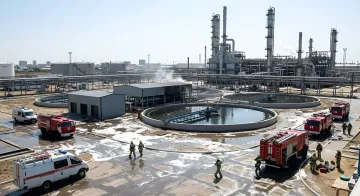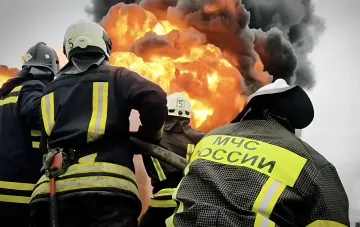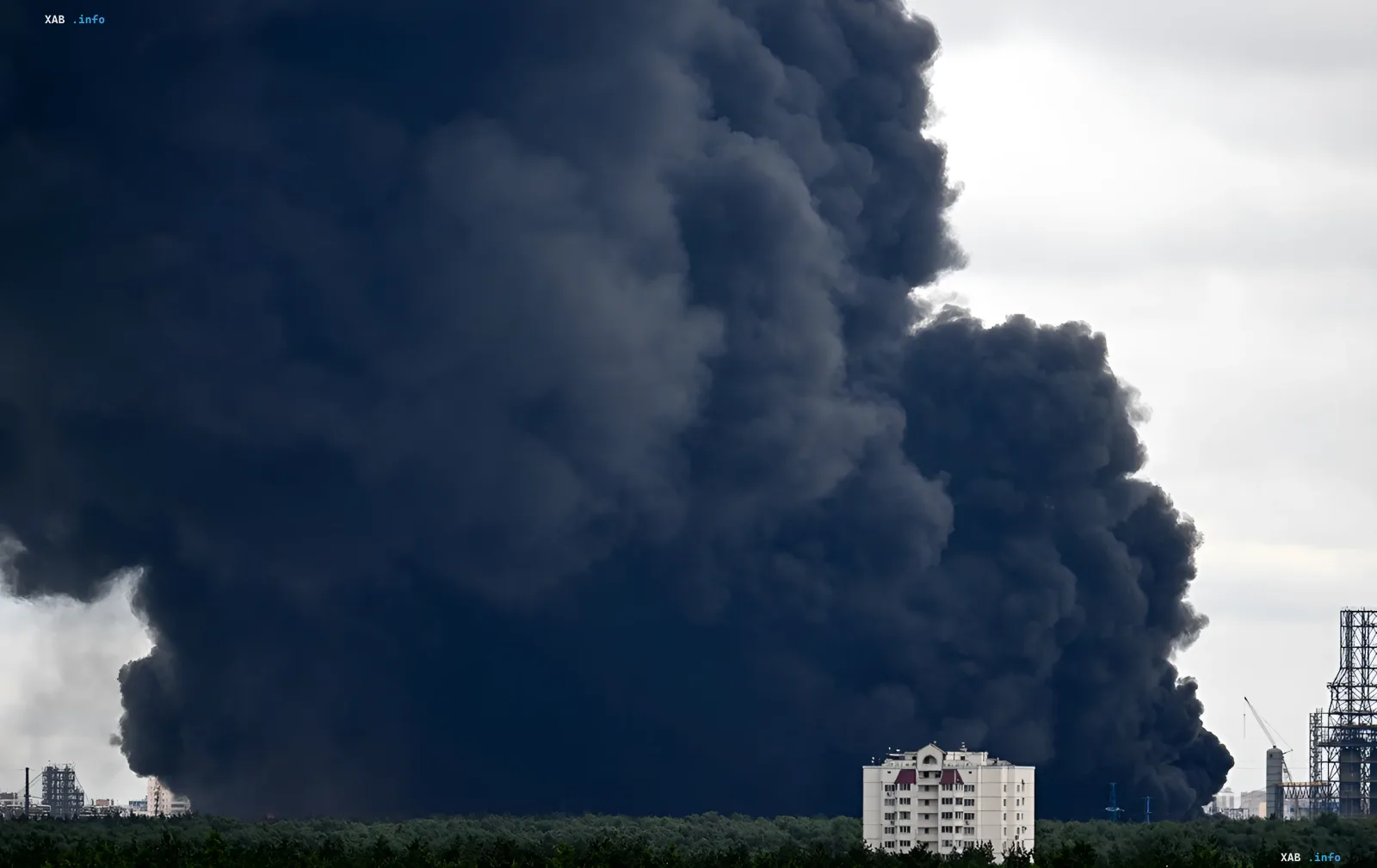
Satellite imagery has captured a fire at the joint gas and gas condensate processing unit (JGCU) of the Afipsk Oil Refinery in Krasnodar Krai. According to RBC-Ukraine, citing materials from Radio Svoboda, the fire broke out following an overnight attack by Ukrainian drones. The satellite frame shows smoke and traces of burning directly on the JGCU site, confirming a hit on a specific technological facility rather than the perimeter of the plant.
What is a JGCU unit and what is it for
The JGCU unit, which became the site of the fire, is responsible for the joint processing of gas and gas condensate. By design, it ensures the production of finished fuels — in particular gasoline and diesel fuel — as well as the preparation of feedstock for subsequent stages of processing. The failure of such a unit directly affects the output of the plant's final products, making strikes of this kind economically significant for the region's oil refining complex.
Timeline of strikes on the facility
The Afipsk Oil Refinery is not for the first time a target. According to Radio Svoboda, since the start of Russia's full-scale invasion of Ukraine, the plant has been attacked more than ten times. On the night of August 25, the Ukrainian Defense Forces struck the facility again: the company Fire Point reported on the attack, noting that Ukrainian drones hit the target. Earlier, on August 7, a fire also broke out at the Afipsk Oil Refinery, which, according to the Russian side, was extinguished. Thus, the JGCU unit has been in the impact zone more than once.
Contradictory data
In describing the circumstances of the July and August incidents, the versions of the parties diverge. Regarding the August 7 fire, the Russian side claimed that the ignition was caused by the "fall of debris from a Ukrainian drone," effectively denying a direct hit on the technological equipment. The Ukrainian side and OSINT sources, by contrast, interpret these events as the result of deliberate drone strikes on the facility. Moreover, the figure of "more than ten attacks" relies on a single source — Radio Svoboda — and independent item-by-item verification of each episode in open data has not yet been provided. Satellite imagery confirms the fact of a fire at the JGCU after the overnight strike, but it does not allow the exact mechanics of the hit (direct impact or shrapnel) to be established unambiguously.
Context of the overnight attacks
The night in which the Afipsk Oil Refinery was struck passed against the backdrop of a broader wave of strikes. OSINT sources reported explosions in Rostov Oblast, in particular in the Novoshakhtinsk area. The totality of these events indicates that the oil refining infrastructure of southern Russia remains one of the priority directions for Ukrainian drone operations, while satellite monitoring is becoming a key tool for confirming the consequences of such strikes.