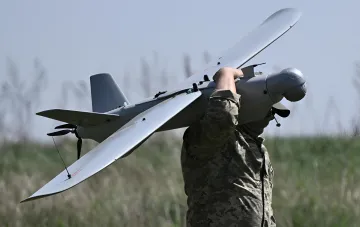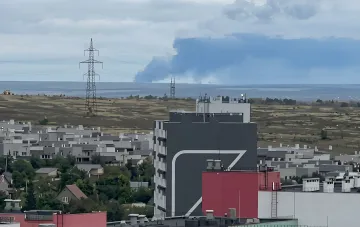
On the night of October 10, the Defense Forces of Ukraine carried out a successful operation, repeatedly striking the Samara linear production and dispatch station (LPDS) located near the settlement of Prosvet in the Samara Region of the Russian Federation. This facility is of strategic importance for the Russian oil industry and for supplying fuel to military needs.
Strategic Importance of the Facility
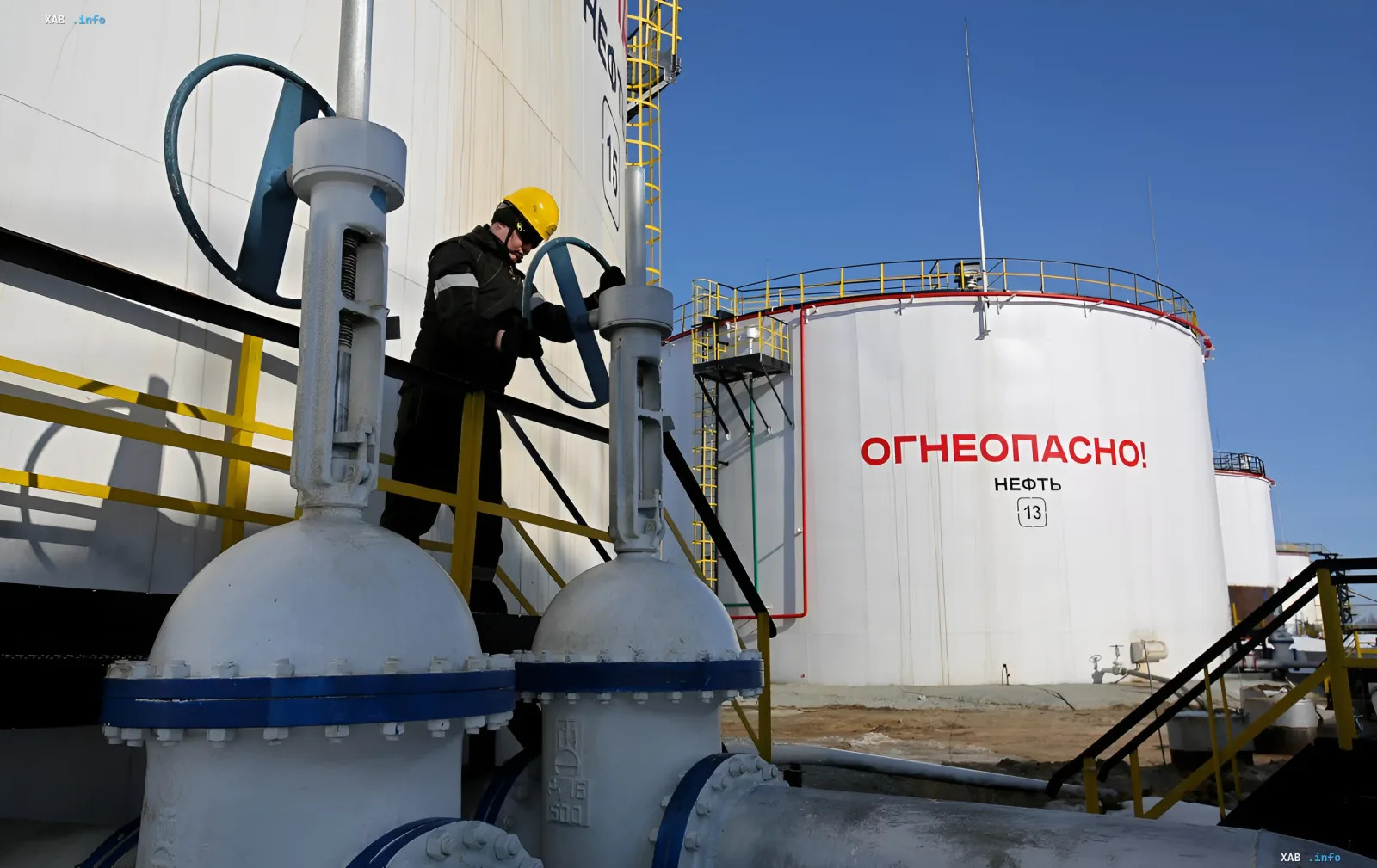
LPDS Samara is the largest oil reception, storage, and mixing hub in Europe. Raw materials arrive at this large-scale station via an extensive network of trunk oil pipelines from regions such as Western Siberia, Tatarstan, and other key oil-producing entities of the Russian Federation. It is here that the technological process of mixing oil with different sulfur contents takes place to subsequently form the export grade Urals.
In addition to its civilian and export significance, the enterprise is directly involved in logistical chains to meet the needs of the Armed Forces of the Russian Federation. Regular strikes on such facilities significantly undermine the aggressor's logistics and economic potential.
Chronology of Strikes and Scale of Destruction
Recall that LPDS Samara was first attacked by Ukrainian drones on the night of October 2, 2026. A few days later, on October 7, a large-scale fire was again recorded in the Samara Region on the territory of this oil hub. Later, the destruction of four large RVS-50000 tanks was officially confirmed.
The night attack on October 10 was a continuation of systematic work to disable critical infrastructure working for the Russian military sector. Experts note that repeated strikes on already damaged facilities significantly complicate repair work and inflict cumulative damage on petroleum product supply logistics.