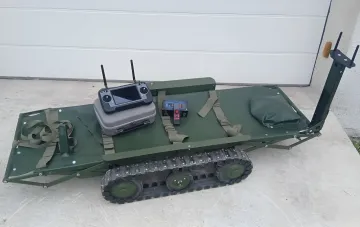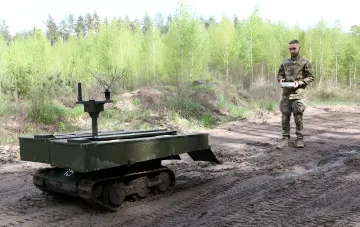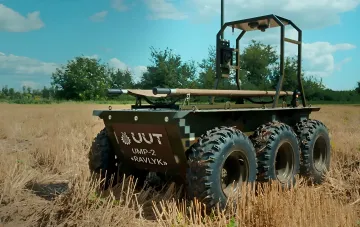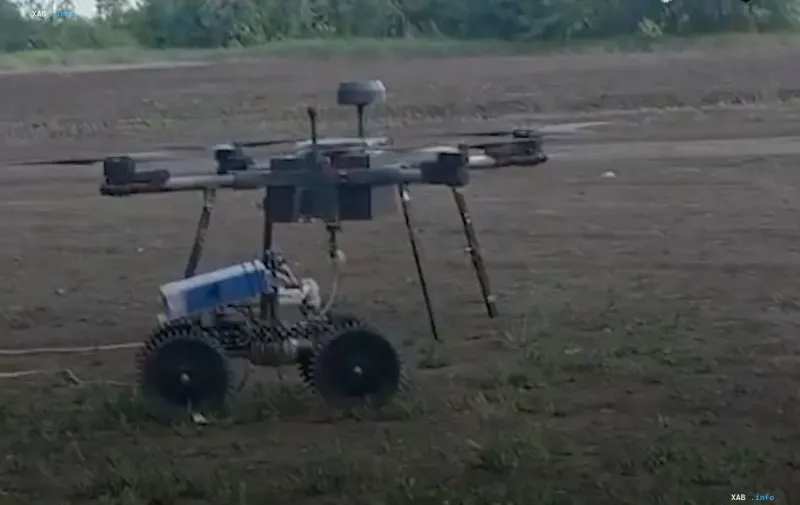
Ukrainian servicemen have demonstrated a unique technological breakthrough in the field of unmanned systems, outpacing years of development by American engineers. Defense forces have successfully mastered and applied the concept of "marsupial" drones, which deliver ground robotic systems deep into enemy territory.
Innovative Tactics of «Marsupial» Systems
Fighters of the UGV battalion Alter Ego from the 93rd Separate Mechanized Brigade have developed a technology for high-precision deployment of a combat ground robot dozens of kilometers away from the combat contact line using a heavy drone. Similar systems, known globally as marsupials, were developed in the US for over 30 years, but American specialists failed to bring them to actual combat deployment.
Technical Features of the «Desantnyk» Complex
To implement this complex scheme, Ukrainian developers created a specialized ground robotic system called "Desantnyk" as well as a dedicated solution for precise dropping from a bomber drone. This approach allows deploying a combat robot directly behind enemy lines at distances that are physically unreachable for ground UGVs traveling on their own due to battery and terrain constraints.
Contradictory Data
In open sources and defense cluster reports, there are some discrepancies regarding the priority and scale of application of such technologies. While the Alter Ego battalion project was created in a record-breaking 10 days, parallel information emerged about the actions of the Third Army Corps. The "NC13" unit of the Third Separate Assault Brigade used a similar tactic of dropping kamikaze UGVs from "Griffin" heavy bombers during Operation Vivaldi at a depth of over 10 kilometers. Meanwhile, representatives of the Third Assault claim they have been using this scheme for about 4-5 months with an operation success rate of around 80%, whereas the Alter Ego battalion positions its development as a unique tactic mastered by only a few units.
Combat Results and Mass Production
The domestic "Desantnyk" robot already boasts confirmed combat successes, specifically the destruction of enemy shelters and personnel. The Brave1 defense cluster paid close attention to the innovative development and helped the unit find a manufacturer to transition from prototypes to serial production, which will scale the solution to other military units.