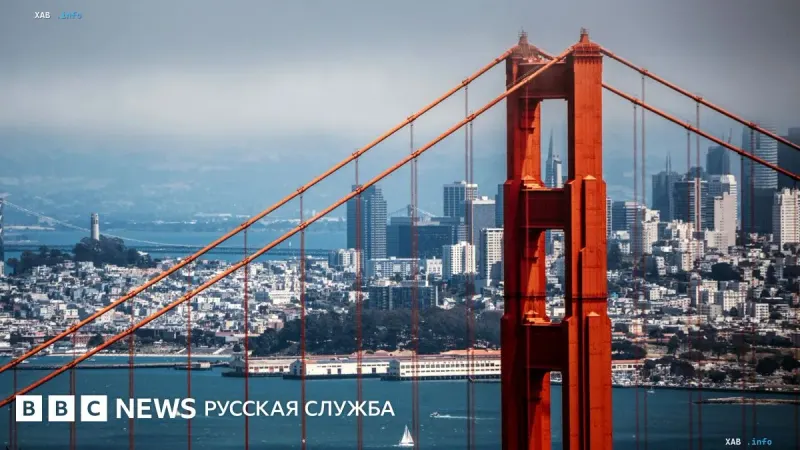
San Francisco is experiencing a rebirth thanks to the rapid development of the artificial intelligence sector. After a pandemic period that led to population outflow and the decay of the city's central districts, the AI industry has become the main engine of economic recovery. Market leaders such as OpenAI and Anthropic have located their headquarters here, attracting qualified specialists with high salaries and forming a unique business ecosystem that stimulates the development of related sectors, from retail to services.
Presence Effect: Rising Demand and Prices
A clear indicator of change has been the increase in small business activity. Entrepreneurs, such as dog-walking company owners, report a sharp surge in demand for services related to supporting office staff at tech startups. The city is seeing a rise in housing and office rental prices, and advertising spaces are filled with job postings for AI talent. The city has effectively turned into a major innovation hub, accumulating, according to various data, up to 60% of US venture capital directed into the AI sector.
The 'House of Cards' Threat
Despite these successes, anxiety is growing in expert circles and among company employees regarding the sustainability of the current growth model. The International Monetary Fund warned in October of this year about the risks of significant market correction in case of reduced investment. These fears are fueled by uncertainty about companies' ability to generate revenue sufficient to cover the colossal costs of model training and infrastructure, against the backdrop of increased competition from cheaper solutions, particularly from the PRC.
Internal Risks and Prospects
AI industry employees express conflicting views on the future. Some believe the collapse of the current cycle is inevitable; however, for many, the main topic of discussion remains not financial sustainability, but hypothetical existential risks associated with technology development. Notably, unlike past technology booms, the current growth requires fewer employees, which, according to analysts, may mitigate the consequences of a potential market correction for the San Francisco labor market, if it does occur.
The Future of the City in an Era of Uncertainty
San Francisco, which has a rich history of overcoming cyclical crises, is now in a unique position. Unlike Silicon Valley, the main flow of capital is concentrated within the city limits, making San Francisco's economy highly sensitive to the fluctuations of the AI sector itself. In the coming years, the city will have to answer the question of whether the current surge will become a stable foundation for prosperity or just a temporary phenomenon subject to market volatility.