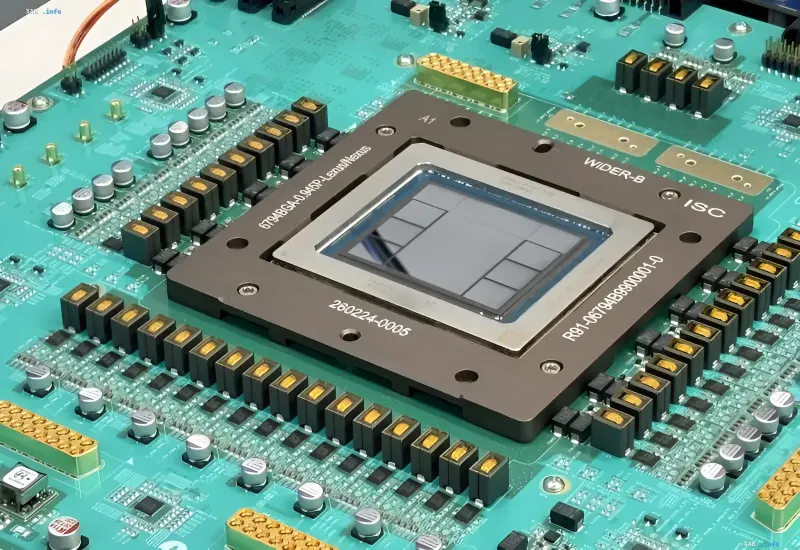
In June, OpenAI introduced its specialized AI chip named Jalapeno, developed in active technological cooperation with Broadcom specialists. In a recent interview, OpenAI Vice President of Hardware Richard Ho detailed to Tom’s Hardware the behind-the-scenes development of this semiconductor solution and how this experience will transform the entire semiconductor industry in the future.
The Revolution of AI-Assisted Design
The main revelation of the project was that the active integration of machine learning algorithms and AI at the chip design stage dramatically reduced time costs. While a traditional cycle of creating such a chip takes 18 to 24 months, the OpenAI team managed to complete it in just nine months. At the same time, company management emphasizes that there is no talk of completely replacing human engineers with artificial intelligence: a small but highly efficient team of specialists achieved a threefold acceleration of their workflow.
Contradictory Data
While official reports and Richard Ho's interviews focus on exceptional success and the reduction of design timelines from 24 to 9 months, some industry experts express skepticism regarding the long-term real-world effectiveness of such methodologies. Certain analytical sources point out that tight deadlines may have forced developers to make critical compromises in the chip's architecture, potentially reducing its versatility when handling next-generation workloads, although OpenAI management strongly denies this.
Chip Objectives and Architectural Versatility
The necessity to create an own chip was driven by the global shortage of computing power in the AI market and the desire to optimize infrastructure costs. The Jalapeno chip is optimized specifically for inference tasks, reducing latency in processing user requests. Furthermore, the solution's architecture is designed to deliver high performance not only with OpenAI's own models but also with developments from third-party providers, which can be adapted to the chip in just a couple of months.
Market Prospects and Future Company Plans
Despite the colossal potential of Jalapeno, OpenAI does not plan to release it to the external commercial market anytime soon, as the company's internal demand for computing resources remains unprecedentedly high. At the same time, OpenAI will continue to actively cooperate with traditional hardware manufacturers such as AMD and Nvidia. New generations of its own processors will be released as they become technically ready, focusing on significant performance gains rather than a rigid marketing schedule.