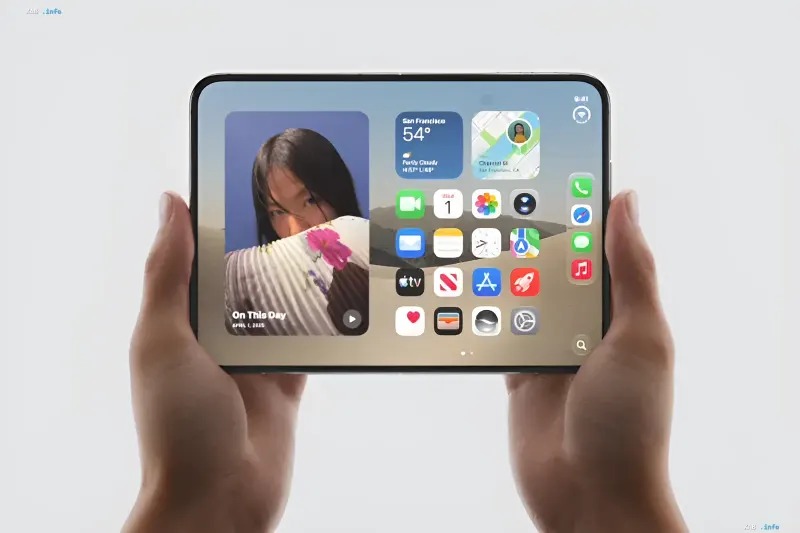
Chinese regulators have taken a significant step toward global technology brands by approving the integration of artificial intelligence models from local giant Alibaba into Apple's smartphone lineup, including the new iPhone Duo. This decision removes key regulatory barriers that have long delayed the rollout of the Apple Intelligence ecosystem in the People's Republic of China.
According to an official document published by China's Ministry of Industry and Information Technology, three AI systems have received official approval: the foundational American Apple Intelligence, alongside two developments from Chinese company Alibaba—the Tongyi Qianwen (Qwen) large language model and the Tongyi Wanxiang multimodal content generator, capable of creating images and videos from text prompts.
Integration Features and Local Restrictions
Despite Beijing issuing preliminary approval for the systems back in July, Apple has not yet launched fully fledged Apple Intelligence services in mainland China. By comparison, similar features have been successfully operating in the US market since 2024, and European users gained access to the package in 2025. Meanwhile, iPhone owners in Hong Kong can already use basic text and image editing tools.
Strict Chinese cybersecurity and content control regulations have forced the American manufacturer to abandon its usual global partners. While Apple relies on OpenAI and Google technologies in the US and other nations, the ecosystem in the Chinese market will operate on Alibaba's developments, powering text and image generation across iOS, iPadOS, macOS, and visionOS.
Contradictory Data
Certain discussions and discrepancies persist within expert communities and official reports regarding the exact timelines for the full service launch. While the Cyberspace Administration of China officially confirmed issuing the license in mid-summer, the actual rollout of features for end-users has been delayed due to the necessity of deeply adapting local models to regulatory requirements and integrating them into Apple's software architecture, giving rise to varied interpretations of the ecosystem's readiness for mass adoption.
Expert Assessments and Market Consequences
Market analysts note that the compromise agreement between Apple and Alibaba demonstrates a pragmatic approach by both parties amid fierce geopolitical and technological competition. Maintaining its foothold in the critical Chinese market is of paramount importance to Apple, especially against the backdrop of growing competition from local smartphone manufacturers actively implementing their own AI solutions. In turn, integration into Apple's global ecosystem serves as a powerful incentive for the further development and recognition of Alibaba's technologies on the international stage.