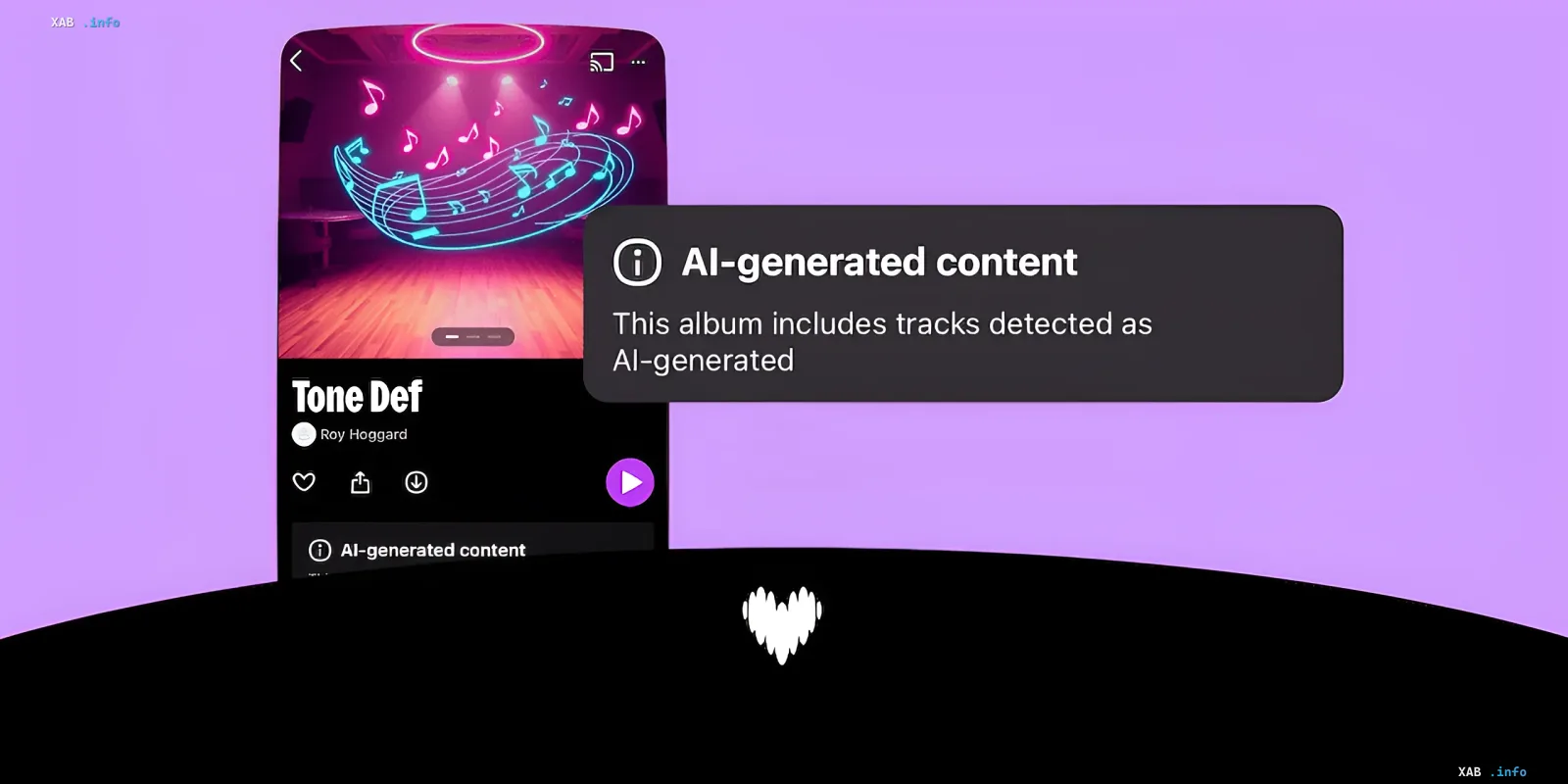
The music industry is undergoing an unprecedented transformation driven by the rapid adoption of artificial intelligence. According to global streaming service Deezer, today more than half of all songs uploaded daily to the platform are created using neural networks. This phenomenon demonstrates how quickly technology is penetrating creative fields, creating serious challenges for the traditional music market.
Exponential growth of AI content
Statistics presented by the company show an explosive growth in algorithmic content. In June 2026, the number of tracks created with the help of AI reached a peak — an average of 90,000 compositions per day. For comparison, just a year and a half ago, in January 2025, this figure was only 10,000 tracks, which equaled 10 percent of the total upload volume. Over this short period, the numbers have grown ninefold, causing serious concern among industry experts.
Fighting fraud and protecting artists
Deezer CEO Alexis Lanterne confirmed that the company has been actively fighting fraud in music distribution for two years. Now the platform is moving to decisive measures: removing AI tracks that have not been streamed even once in the last six months, as well as compositions created solely for the purpose of artificially inflating revenue. These steps are aimed at protecting the rights of real artists and composers, whose income is being diluted by a flood of synthetic content.
New filtering tools
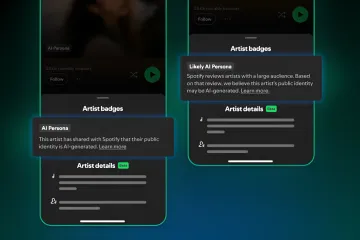
Last month, Deezer launched a special tool that scans Apple Music and Spotify playlists, filtering out tracks created by artificial intelligence. This innovation is critical for both users and local artists. Algorithm changes on global platforms directly affect the popularity and revenue of local content, so transparency and control over the origin of music are becoming a priority.
A new era of digital art
The music industry has entered a new era where artificial intelligence has simplified the creative process, but at the same time cast a shadow on the income of real talents and the authenticity of music. It is expected that the tough stance of major players, such as Deezer, will in the future define the rules of digital art, forcing platforms and labels to reconsider their approaches to content moderation.