Explosions in the center of the Russian town of Rylsk, Kursk Oblast, resulted from the targeted detonation of an ammunition depot maintained by Russian military personnel inside a police department building. This conclusion was reached by Ukrainian military forces, refuting official Russian claims about alleged remote drone mining of city streets.
Reconnaissance and Target Destruction
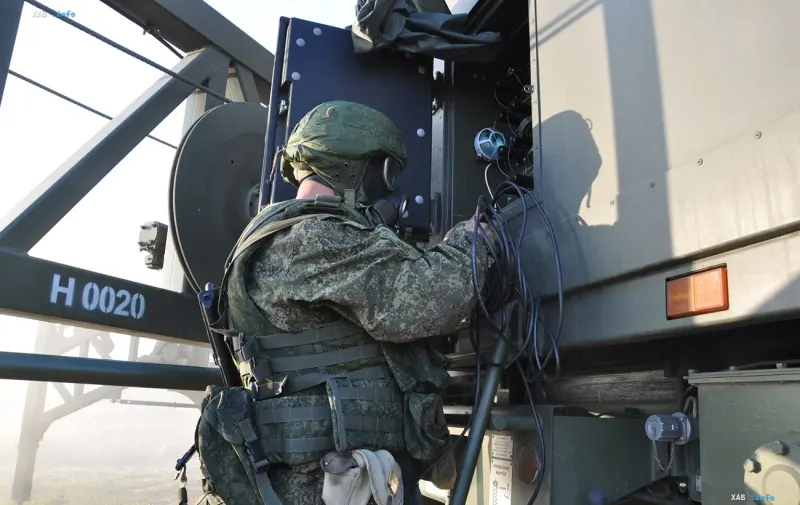
According to the 8th Corps of the Air Assault Forces of the Armed Forces of Ukraine, Ukrainian reconnaissance identified enemy deployment sites in Rylsk. Specifically, the 'Rubicon S' special-purpose drone workshop was set up directly inside the local police department premises.
The Defense Forces launched drone strikes against this workshop, as well as against the living quarters of drone operators and positions held by personnel of the Russian Federal Security Service. As a result of the strikes, ammunition that Russian forces had stored inside the police building in the city center detonated.
Ukrainian Position and Information Campaign
The 8th Corps of the Air Assault Forces emphasized that claims spread by the Russian side regarding the remote aerial mining of central Rylsk are entirely false. The military described these reports as an attempt to shift responsibility for the consequences of storing explosive materials in a residential area.
“Ammunition in the middle of the city is primarily a threat to civilians. And we did not create that threat,” the Ukrainian military department stated, noting that the Defense Forces conducted no remote mining operations whatsoever.
Background and Consequences of Incidents in the Region
The situation in Kursk Oblast has repeatedly been accompanied by explosive ordnance incidents and infrastructure destruction. Notably, on July 3, a vehicle carrying district administration employees was blown up by a mine in Rylsk, with regional governor Alexander Khinshtein claiming the explosive device was triggered remotely.
In addition, the border area regularly faces supply disruptions. In November 2025, a strike on a local substation left over 16,000 consumers across several districts of Kursk Oblast without electricity, underscoring the ongoing instability in the combat zone.