On the night of November 20, 2026, Russian troops launched a massive strike against Ukraine using drones and various types of missiles, including ballistic ones. According to preliminary data from the Air Force of the Armed Forces of Ukraine, as of 10:30 a.m., air defense systems shot down and suppressed 462 enemy aerial targets. This was reported by RBC-Ukraine citing the Air Force report.
Nature of the Attack
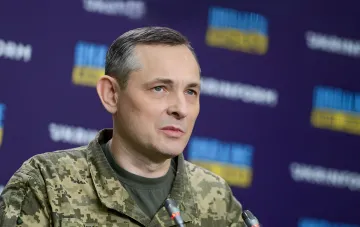
Yuriy Ihnat, Head of Communications for the Air Force, noted that the night attack on November 20 became one of the most powerful in recent times. According to him, Russia used 80 cruise missiles and up to 20 ballistic missiles against Ukraine. The combined use of cruise missiles, ballistic missiles, and attack drones indicates an attempt by the enemy to simultaneously overload air defense systems and strike from multiple directions.
On-the-Ground Consequences
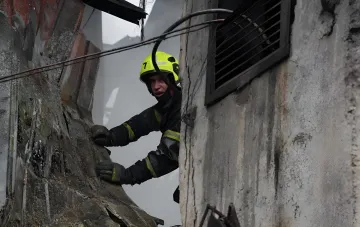
According to preliminary data, enemy missile and attack drone strikes were recorded at 23 locations, while falling debris from intercepted targets hit 10 locations. The exact number of casualties and the extent of damage were being clarified at the time of publication; more details on the consequences of the massive attack in Kyiv and other Ukrainian cities can be found in the RBC-Ukraine report.
Context: A Series of Powerful Strikes
The November 20 attack continues a series of massive night strikes launched by Russia against Ukraine in October and November 2026. For instance, on the night of October 27, according to the Air Force, the enemy attacked with ballistic missiles and 280 attack UAVs, while air defense shot down 257 targets, including two ballistic missiles. On the night of October 30, Russian forces deployed ballistic missiles, four Kh-59/69 tactical air-to-surface missiles, and 113 drones; air defense shot down 99 targets, with hits recorded at 17 locations. The repeating scenario—combining ballistic weapons, cruise missiles, and drones—underlines the systemic nature of these aerial assaults.
How the Attack is Repelled
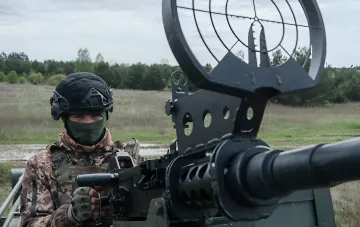
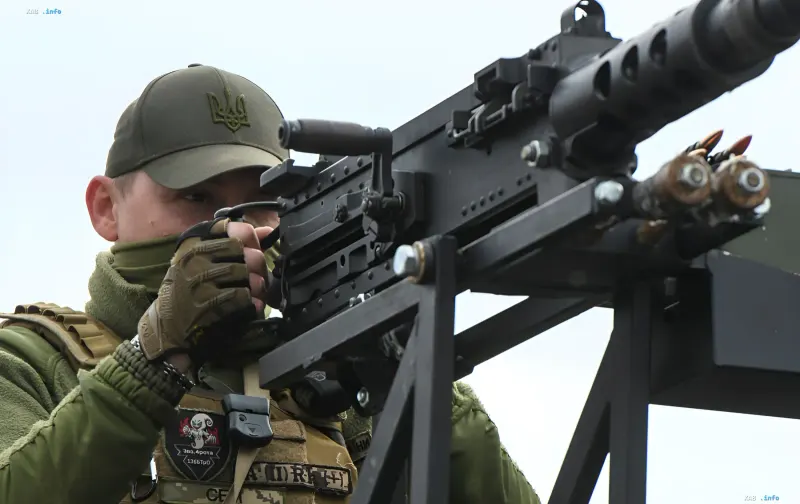
According to Air Force reports, repelling the aerial attack is handled comprehensively: by aviation, anti-aircraft missile troops, electronic warfare units, and unmanned systems. This multi-layered air defense structure allows for the interception of a significant portion of targets despite the enemy's massive use of various weapons types, although some missiles and drones, as well as debris from intercepted devices, continue to pose a threat to populated areas.
As of the morning of November 20, data on the attack results remain preliminary and may be updated as damage assessments are completed. The Air Force and RBC-Ukraine continue to publish updated information on downed targets and impact locations.