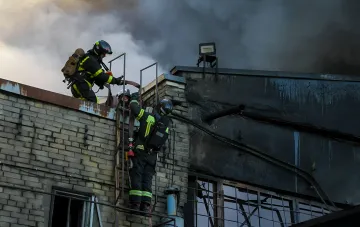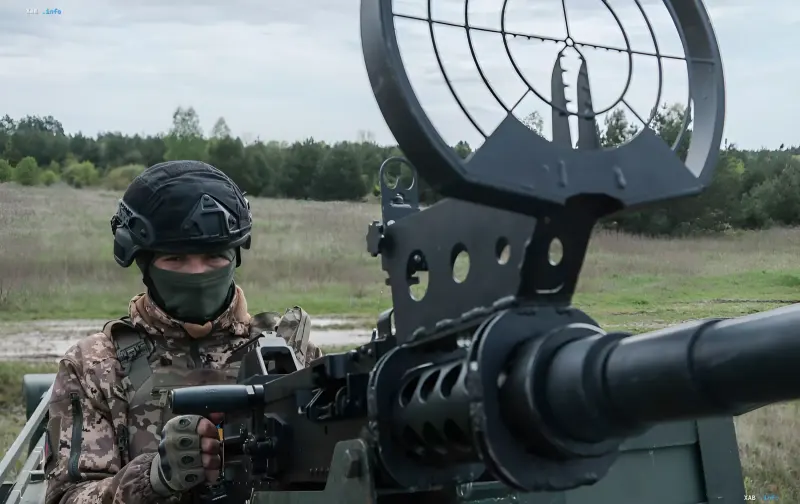
Last night, on October 20–21, 2026, Russia launched a large-scale air strike on the territory of Ukraine, using ballistic missiles and unmanned aerial vehicles of various types. According to the Defense Forces of Ukraine, the air assault began as early as 18:00 on October 20 and lasted for several hours. Missiles and drones were launched from the airspace of the Rostov region, Oryol, Kursk, Primorsko-Akhtarsk, as well as from the occupied territories of Donetsk, Gvardeysk, and Chauda in Crimea. Aviation, anti-aircraft missile troops, electronic warfare and unmanned systems units, as well as mobile fire groups of the Defense Forces of Ukraine, were involved in repelling the attack.
Scale of the Attack and Air Defense Operations
According to the latest data, as of 08:30 on October 21, the Ukrainian air defense system neutralized 150 Russian drones. Among the downed targets are Shahed-type drones (including 63 jet-powered ones), S8000 Banderol/Dan-T, Gerbera, and UAVs of other types. At the same time, as the Defense Forces note, 10 enemy strike drones were still in the air at the time of publication, and their destruction was ongoing. This indicates that Ukraine's airspace remained under threat even after dawn.
Consequences of Strikes on the Territory
Despite the successful repulsion of the main part of the attack, significant consequences have been recorded. According to the defenders, enemy air attack weapons hit 27 locations across Ukraine. In addition, falling debris from downed drones was recorded at 13 points. This means that, collectively, the geography of damage and threats to civilian objects spanned more than 40 points. Earlier, RBC-Ukraine reported that Kyiv suffered casualties during the nighttime attack on October 21. Data on the consequences of strikes on the Epitsentr facility in the Rivne region were also published separately.
Launch Vectors and Enemy Tactics
An analysis of the launch directions reveals the tactics Russia employs in its nighttime air operations. The simultaneous use of multiple geographical directions—from the Rostov region and Oryol in the northeast to Crimea in the south—puts a strain on the air defense system and complicates trajectory forecasting. The use of ballistic missiles combined with a massive wave of drones of various types (including jet Shaheds) indicates an attempt to breach the multi-layered defense. However, as the data on 150 downed UAVs show, the bulk of the drones were intercepted before reaching their targets.
Operational Situation and Further Actions
At the time of publication, the operational situation remained tense: some strike UAVs were still in the air, and the consequences of strikes at 27 locations required the work of emergency services. The Defense Forces of Ukraine continued to monitor the airspace and destroy the remaining targets. The incident became another episode in the systematic nighttime air attacks that Russia has been carrying out on Ukrainian territory throughout the current conflict period.