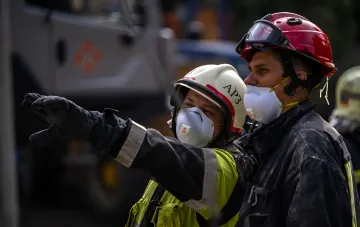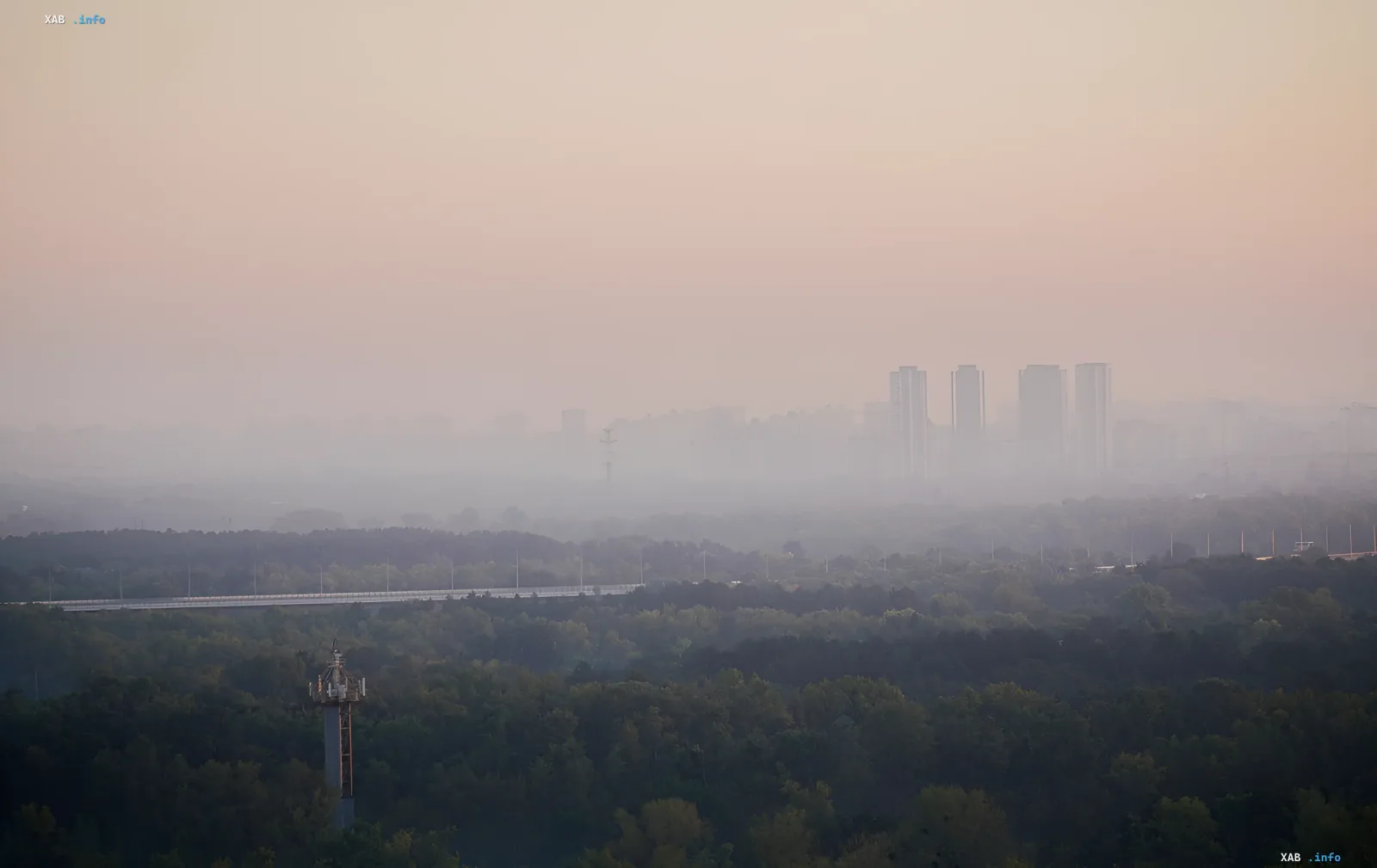
The Kyiv Oblast Military Administration (OMA) reported a temporary deterioration in the quality of ambient air in four settlements of Kyiv Oblast. According to the body's data, cited by RBC-Ukraine, the cause of the degraded indicators was prolonged enemy attacks, as a result of which moderate concentrations of fine particulate dust were detected in the air. The statement came against the backdrop of ongoing strikes on the region and prompted the authorities to promptly inform residents about the state of the environment and precautionary measures.
What happened: dust as the main pollutant
Specialists conducting the observations note that the key factor behind the deterioration in air quality was precisely fine particulate dust, rather than emissions of chemical or biological substances. Moderate concentrations of this pollutant were recorded as a result of monitoring in four cities of the oblast, which were listed in the OMA's statement. Importantly, the phenomenon is temporary and local in nature: in the other settlements of Kyiv Oblast where monitoring is carried out, no exceedances of the permissible levels for chemical or biological components have been detected. Thus, the administration records a localized, rather than systemic, environmental disruption in the region.
Health: who may experience breathing discomfort
The OMA emphasizes that air pollution by fine particulate dust can cause breathing discomfort. According to specialists, the most vulnerable groups are children, the elderly, and people with sensitive airways. Until the situation improves, the authorities recommend that residents of the affected settlements follow preventive rules aimed at reducing the impact of dust on the body. The specific list of recommendations was outlined in the statement of the oblast military administration and is focused on minimizing time spent in dusty conditions and protecting the airways of the most sensitive categories of citizens.
Monitoring: 16 observation points and radiation levels
Round-the-clock control of ambient air quality in Kyiv Oblast is carried out at 16 observation points, including Boryspil, Irpin, Obukhiv, Boyarka, and other cities and towns in the region. It is this network of posts that allows the administration to promptly track changes and record local exceedances. The radiation situation is also being monitored: according to the OMA, the level of gamma radiation in the region remains within the natural norm, which rules out a radiation component among the health risk factors for residents at this time.
Context: 38 attacks in two days and air raid alerts in the capital
The environmental situation in Kyiv Oblast is directly linked to the intensity of the hostilities. According to available data, over two days Russian forces carried out 38 attacks on Kyiv and Kyiv Oblast. In the capital itself, the load on the alert system also remains high: on the previous day, 13 air raid alerts sounded in Kyiv, and the next day — 8. It is precisely the prolonged and repeated strikes, accompanied by fires and destruction, that generate clouds of fine particulate dust, which are then recorded by the air monitoring posts in the adjacent settlements.
Other strikes: Nova Poshta warehouse and the Epicenter shopping center
In addition to the impact on air quality, other strikes have been recorded in the region. Thus, in the Bilohorodka community, Russian forces attacked the warehouses of Nova Poshta: after the first hit, the occupiers delivered two more strikes on the same location while the fire was still being extinguished. In addition, in the morning in Zaporizhzhia, the Epicenter shopping center was shelled; as a result, the building was damaged and one person was injured. The totality of these events confirms that the deterioration of environmental indicators in certain areas of Kyiv Oblast is a direct consequence of the ongoing hostilities and requires residents to follow the authorities' recommendations until the situation normalizes.