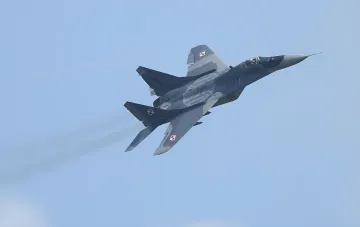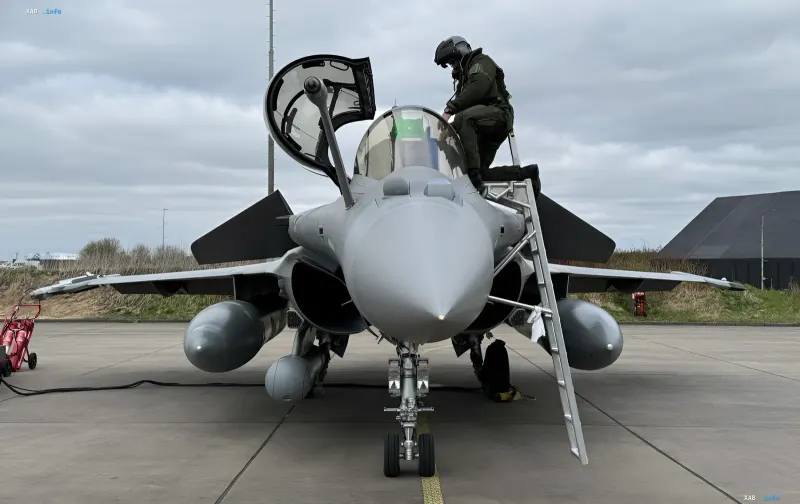
Late in the evening on November 10, 2026, an air raid alert was declared in three regions of Latvia — Ludza, Augšdaugava, and Krāslava — due to a potential threat in the country's airspace. This was reported by the National Armed Forces of Latvia, as cited by RBC-Ukraine referencing the bb.lv publication. The situation unfolded against the backdrop of similar measures in neighboring Lithuania, where NATO air policing mission jets were scrambled.
Chronology of the Alert in Latvia
Around 23:20, an orange-level warning — the higher of the two active levels — was declared in the Ludza region. Approximately 20 minutes later, a yellow-level alert was introduced in the Augšdaugava and Krāslava regions, after which the threat level in the Krāslava region was also raised to orange. Interceptor drone and air defense units were placed on high alert. Around 00:20, the threat level in all three regions was lowered to yellow, and at 00:40 the alert was completely canceled.
What Residents Were Required to Do
During the orange level, residents were urged to stay indoors and follow the so-called "two walls" rule — staying away from windows and external walls of buildings. The yellow level did not require any action from citizens. By the morning of November 11, restrictions in the affected regions were lifted, and life returned to its normal rhythm.
Reaction of Lithuania and NATO
On the same night, an air raid alert was also declared in Lithuania. The National Crisis Management Center reported that NATO air policing jets were scrambled. According to bb.lv, Lithuanian authorities also diverted aircraft scheduled to land in Vilnius. This is not the first such episode: earlier, on October 18, a red alert level was introduced in northern districts of Lithuania and bordering regions of Latvia after an unidentified object was detected in the airspace.
Connection to the Ust-Luga Strike
On the same night, drones attacked the Ust-Luga port in Russia's Leningrad Oblast, located near the border with the Baltic states. Following the strikes, a fire reportedly broke out on the port's territory. The coincidence in time between the airspace incidents in Latvia and Lithuania and the strike on the Russian port once again highlights security issues in the Baltic region and NATO's role in its defense.