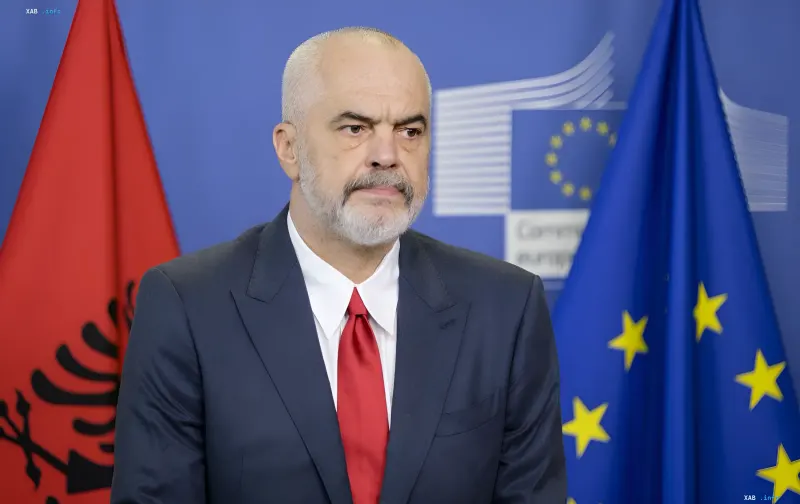
Albanian Prime Minister Edi Rama made a sharp statement regarding the leadership of the European Union, calling Brussels' promises about the standard path of Ukraine's accession to the bloc untrue. In his opinion, accepting Ukraine into the EU through the classical procedure and with the fulfillment of all formal criteria is practically impossible, given the current bureaucratic barriers and the scale of necessary reforms.
The Need to Change Integration Procedures
The Albanian leader emphasized that the traditional path of European integration with all its multi-year stages leads candidates into a dead end. "What is promised to Ukraine is a lie. On the usual path of accession, with all criteria, it will never be accepted. Everyone knows this," Rama said in an interview with the German publication WELT. Instead, he suggests that Brussels fundamentally change its approach and give Ukraine the opportunity to work at the same table with bloc members right now, integrating it based on real results.
Contradictory Data
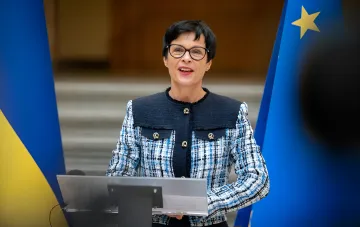
While Edi Rama insists on the inevitability of reforms and a departure from classical bureaucratic procedures, Brussels' official position remains tougher and tied to regulations. Earlier, EU Commissioner for Enlargement Marta Kos stated that Kyiv would not receive any preferences or privileges upon joining the EU, and the process would be based solely on merit and compliance with all necessary criteria. At the same time, amid discussions about enlargement by 2030, the European Union is also hatching plans for internal reforms, including the possibility of abolishing the veto power to speed up decision-making.
Risks for the European Union and Global Competition
The Albanian Prime Minister also warned European politicians against excessive slowness, noting that without decisive strategic steps and internal changes, the EU risks turning into a "Titanic." Rama paid special attention to the problem of the veto power within the union, calling it unacceptable for a single country to be able to block joint decisions of the entire bloc amid fierce global competition with the US, China, and India.