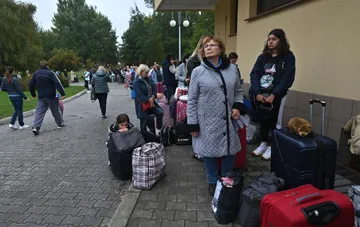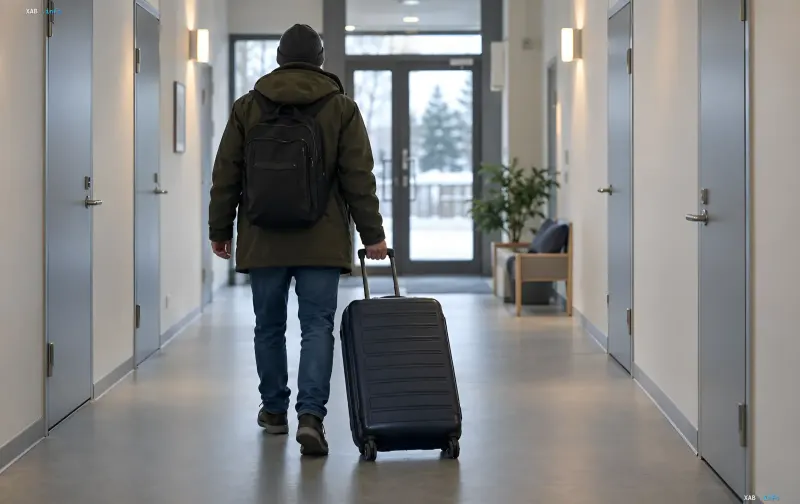
The Finnish Immigration Service has announced a large-scale reduction in infrastructure for accommodating asylum seekers. By the end of February 2026, another eight reception centers will cease operations in the country, continuing the network optimization trend that saw a similar number of facilities close earlier in the year.
Reasons for Reducing the Center Network
As explained by Elina Nurmi, Head of Reception Unit Services, the key reason for this step is a significant decrease in the burden on the migration system. The flow of people fleeing the war in Ukraine has stabilized and is not growing, while the number of applicants from other countries has also noticeably declined. In addition, a significant portion of former center residents have successfully integrated into society, finding permanent jobs and moving into independent rental housing.
New Living and Integration Rules
The housing situation has also shifted against the backdrop of new legislative norms that came into effect in September 2026. Under these rules, asylum seekers lose the right to free accommodation and reception center services three months after receiving a residence permit if they have the opportunity to rent their own housing. This requirement also applies to individuals with temporary protection, including Ukrainian refugees, pushing them toward more independent living.
Relocation Process and Pan-European Context
Citizens who cannot or do not manage to move into their own apartments will be relocated by the migration service to other operating centers where free spaces remain. The agency states its commitment to taking into account people's personal wishes, their ties to specific regions, and the availability of work or study, although satisfying all requests is not always possible. Similar measures tightening support conditions for Ukrainian refugees are also being recorded in other European Union countries, such as Poland, where social benefits are now directly linked to the integration of children into the local education system.