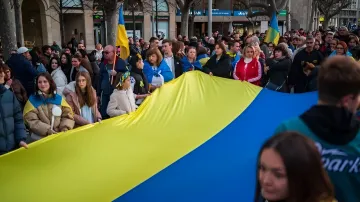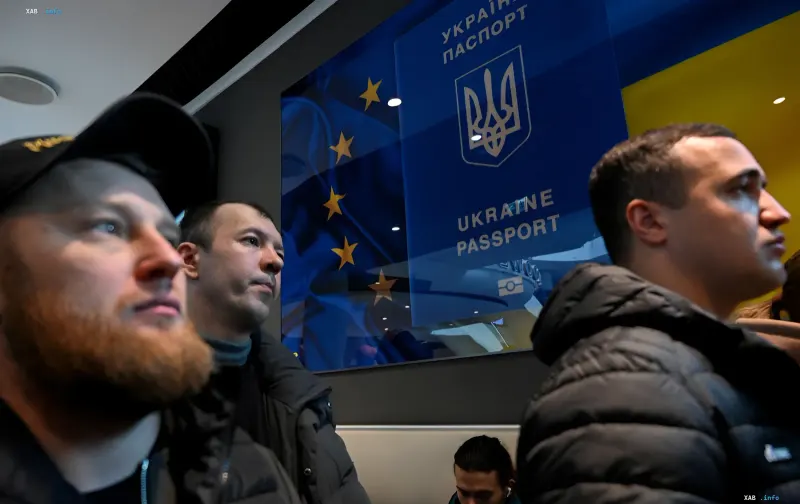
The government of Montenegro has decided to tighten the conditions for granting temporary protection to liable-for-military-service citizens of Ukraine residing in the country. The new rules are fully synchronized with the pan-European migration policy and aim to unify approaches to registering refugees from Ukraine across the European region.
New Conditions for Granting Status
According to the adopted changes, temporary protection will now be granted exclusively to those liable-for-military-service Ukrainian citizens who actually resided in Ukraine prior to arriving in Montenegro and fulfilled their military duty or were legally exempt from it. This measure is designed to streamline migration flows and prevent status acquisition by individuals who left the country in violation of established mobilization procedures.
At the same time, specialized departments emphasized that the introduced restrictions are not retroactive and do not apply to Ukrainian citizens who have already obtained temporary protection in Montenegro earlier. They will be able to continue legally residing in the country on the same grounds until their issued documents expire.
Legal Basis and European Context
An official statement from the Montenegrin government notes that this decision fully aligns with EU Council Implementing Decision 2026/1912, adopted on July 30, 2026. European states are gradually adapting national legislation to develop a unified strategy regarding displaced persons.
Similar measures have previously been implemented in other European countries. In particular, Lithuania introduced a mandatory requirement to provide documents confirming the completion of military service in Ukraine for the extension or initial issuance of protection status.
Positions of Other European States
The process of revising migration rules in Europe is accompanied by varying approaches from individual governments. Amid the general trend toward tightening requirements, a number of states show a departure from the unified European Union line.
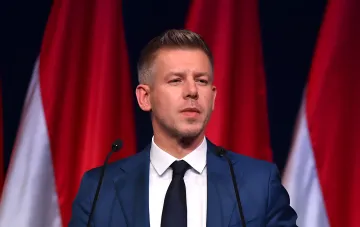
Thus, Hungary openly refused to follow the new EU restrictions concerning Ukrainian citizens with unfulfilled military service obligations. Budapest continued to provide asylum to all categories of refugees from Ukraine without exception, demonstrating a divergence of positions within the European community.
Significance of the Adopted Measures
Montenegro's decision to join pan-European restrictions demonstrates Podgorica's commitment to following the unified migration policy of the European Union on its path toward European integration. The further development of the situation will depend on the practical implementation of the new norms by migration services and the reaction of the Ukrainian side to increased controls abroad.