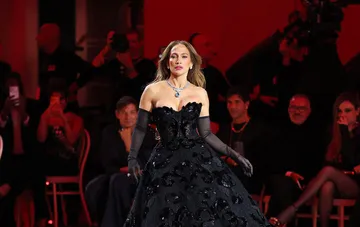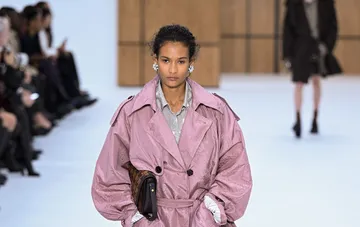
As part of London Fashion Week, which took place this week, the British fashion house Alexander McQueen presented its Spring–Summer 2027 collection. The show, which both the brand and its guests are calling a “homecoming,” gathered first-magnitude stars on the runway and in the audience and became one of the most talked-about events of the fashion season. The house's creative director, Sean McGirr, who has led the brand in recent years, took to the runway a collection in which London's identity sounded louder than ever before: from the city's sacred symbols to its subcultural, almost underground heart.
Star-Studded Guest List and the Reaction to the Show
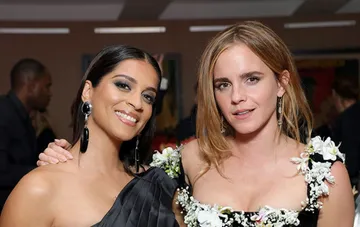
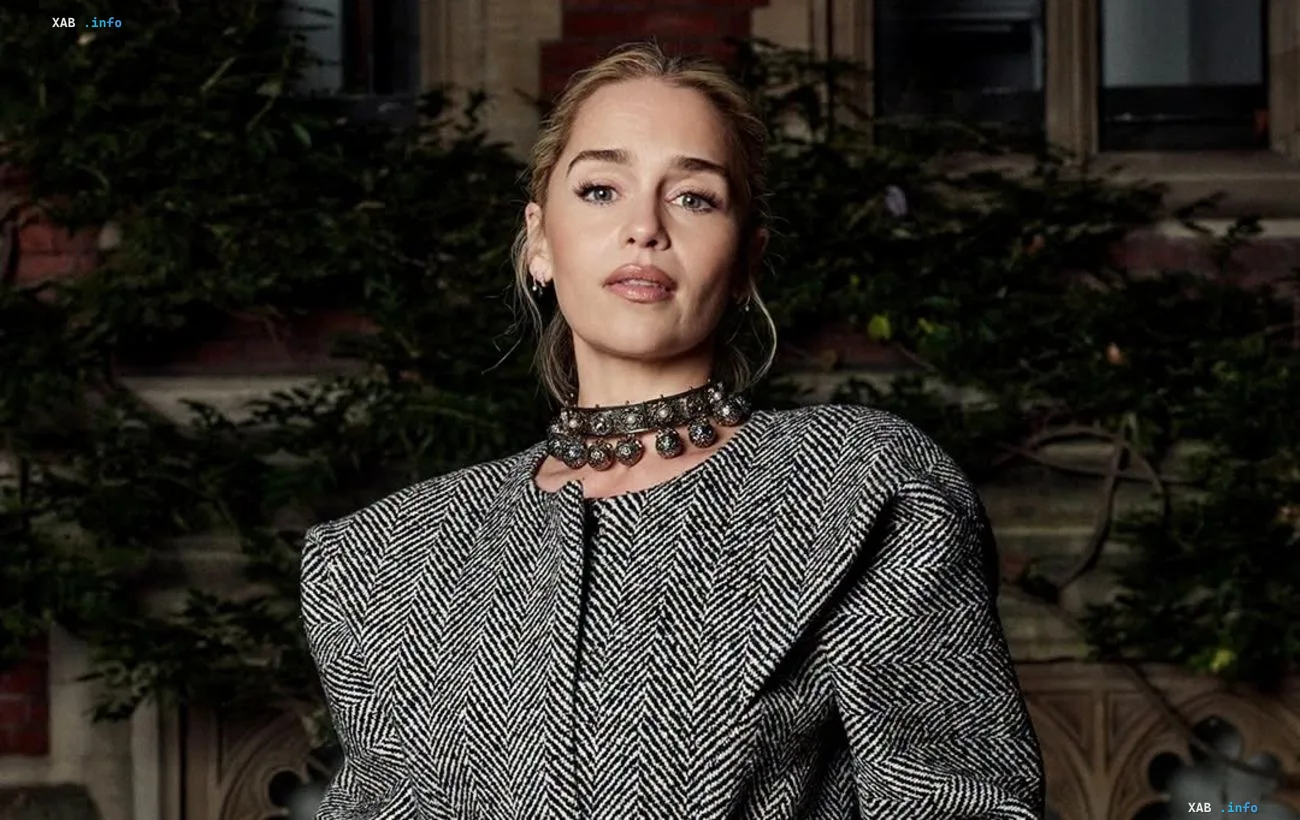
The front row and audience at Alexander McQueen's London show this week resembled a gallery of world celebrities. Among the guests were Emma Corrin, Jamie Campbell Bower, Rebecca Ferguson, Emilia Clarke, and Anna Wintour — the editor-in-chief of Vogue, whose presence traditionally marks an event as a key one for the industry. Actress Emilia Clarke, who attended the show, posted an emotional comment on Instagram: “Alexander McQueen is back home. The McGirr shock stunned me with this collection, with the horns and everything else.” The phrase “back home” became more than just a metaphor: for a brand born in London and that for many years had been showing its collections primarily in Paris, the return to the London runway stage carries a symbolic weight.
London as a Source: From History to Subculture
At the heart of the Spring–Summer 2027 collection lies a direct reference to the fashion house's home city. According to Sean McGirr, “this collection is a celebration of London's continuously stimulating and transcendent power. McQueen is a house born in London, and the city's uncompromising attitude and subversive spirit sit at its heart.” The looks on the runway wove together modernity and history, the sacred and the subcultural: London's street energy sat alongside architectural rigor, while elements referencing the city's rave culture and underground scenes were woven into the constructions of haute couture. It is precisely this combination, observers note, that made the show truly “shocking” in the best sense of the word.
Textures, Materials, and the Visual Language of the Collection
The visual language of McGirr's new collection is built on the manipulation of texture. The looks were dominated by wavy ruffles, metal inserts, frills, leather, silk, and satin — materials that in the designer's hands acquired a sculptural, almost architectural expressiveness. The “horns” mentioned by Emilia Clarke in her comment became one of the most discussed elements of the collection: they reference both London's Gothic heritage and its countercultural, almost ritualistic side. Metal details and the contrast between soft silk and rigid leather created a visual conflict that critics link to the inner tension of the city itself — between its historical grandeur and its eternal rebellion.
Context: Why the “Homecoming” Matters for the Industry
Alexander McQueen's show in London as part of LFW is an event that the fashion industry had been awaiting with a certain eagerness. London Fashion Week, unlike its Parisian and Milanese counterparts, has always positioned itself as a platform for more experimental, daring, and “unpolished” shows. The return of one of the most iconic British houses to its home stage strengthens LFW's position in the global fashion calendar and underscores that the London school of design remains a space where one can afford “shock” and subversion. For Sean McGirr, whose work with the brand has already managed to form its own recognizable aesthetic, the London show became a logical continuation of the narrative: a brand born in this city is finally speaking its language directly.