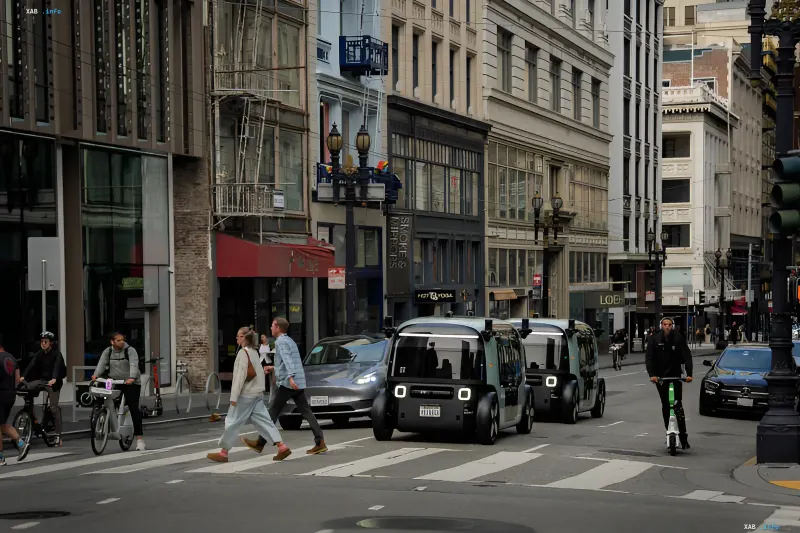
A significant event has occurred in the field of autonomous transportation, marking a true milestone in automotive history. The U.S. National Highway Traffic Safety Administration (NHTSA) has officially granted Amazon's subsidiary, Zoox, the first-ever permission for commercial passenger transport in a vehicle completely devoid of a steering wheel and pedals.
This decision signifies that the era of vehicles requiring no human intervention in driving has officially begun. Zoox can now legally conduct commercial operations using its unique robotaxis, designed from the ground up specifically for autonomous operation.
New Rules of the Game for Driverless Vehicles
This breakthrough was made possible by legislative changes that took place in 2025. U.S. authorities introduced a new certification procedure for companies developing driverless vehicles without traditional manual controls. Previously, such vehicles could not receive full approval for commercial use.
The regulator made this decision aiming to accelerate American innovation in the field of robotic vehicles. Under the new program, Zoox received a temporary permit to deploy up to 2,500 vehicles per year over the next two years. However, this freedom of action does not mean a lack of control: the exemption for the company will operate within an enhanced, adaptable oversight structure that will be refined as the technology evolves.
Geography of Expansion: From Las Vegas to Miami
Currently, Zoox is actively coordinating with regulatory bodies in the states of Nevada and California, where test launches are already underway. It was in Las Vegas that the company first launched its service in 2025, and it is here that paid rides will become available to passengers first.
In California, robotaxis are already operating in San Francisco, although the company has not yet announced the exact dates for the start of full-scale commercial operations in this city. The federal permit is valid for two years, during which time the company plans to scale its services.
Zoox's plans are ambitious: this year, the company intends to hit the roads of Dallas, Phoenix, Austin, and Miami, as well as other major U.S. population centers. This will mark the beginning of the widespread integration of fully autonomous transport into the daily lives of American cities.