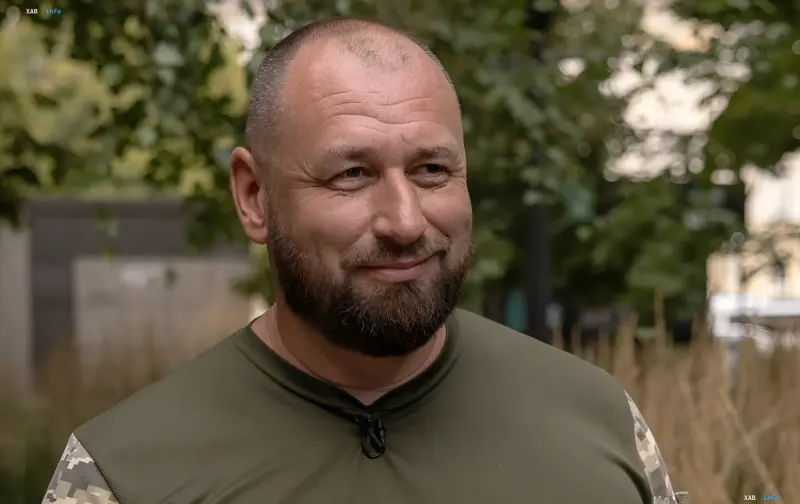
In an interview with RBK-Ukraine, the Ukrainian Ambassador to Hungary, Fedor Shandor, stated that Hungarian society, in his assessment, "has finally made the right choice" and stopped what the diplomat called "Russian arbitrariness" in the country. According to him, the key factor was that Hungarian society, as he put it, "said: it's all over!", which, in Shandor's belief, deprived Moscow of the ability to influence the course of the voting. The diplomat emphasized that the elections in Hungary "took place democratically" and added that, in his view, if the Russian side had seen a real possibility to interfere in the process, they would have taken advantage of it.
A turning point: the diplomat on the choice of Hungarian society
Shandor pointed out that, in his opinion, Hungary "was actually never an outcast or a problem for Europe." All challenges and conflicts that arose in the relations between Budapest and Brussels, the diplomat linked not to the people of the country, but to "specific individuals" who, in his assessment, created these frictions. Thus, he draws a clear line between the position of individual politicians and the position of Hungarian society as a whole.
Historical memory: from Kossuth to 1956
Drawing historical parallels, the Ukrainian diplomat urged not to forget that, according to him, Russia, in his assessment, "tried to destroy the Hungarians" not only in 1956, but also in 1848–1849 during the Kossuth revolution, and in 1944. "Simply put, wherever Russians met Hungarian history, they caused harm everywhere. And this time again. Nothing has changed. And it will not change," warned Shandor. In his belief, Hungary "has received an excellent lesson again" — that with Russia, in his view, "it is better not to deal, as they only cause harm".
New dynamics: the Kyiv-Budapest dialogue and the issue of national minorities
Against this backdrop, the ambassador reported a new positive dynamic in the dialogue between Kyiv and Budapest. In the same cycle of comments, he also explained when Ukraine plans to implement agreements with Hungary on the issue of national minorities, and within the framework of parallel statements outlined key directions of bilateral cooperation, which, in his assessment, indicates a shift of years-long disputes off dead point.
Assessment nature of statements
At the same time, it is worth noting that the key theses of the interview — about "stopping Russian arbitrariness", about Moscow's readiness to interfere in the voting, and about the "harm" of Russia throughout Hungarian history — are the diplomat's assessments, not documented independent facts. Specific mechanisms of the alleged interference, as well as exact dates and parameters of the past voting, are not disclosed in the text of the interview, which should be taken into account when interpreting the statements.