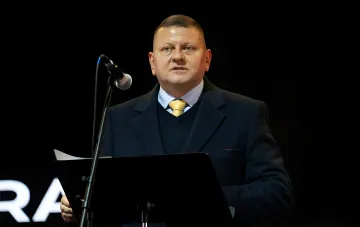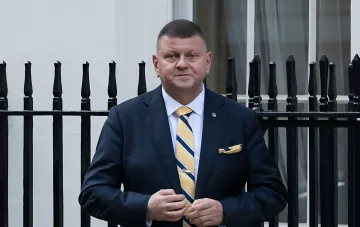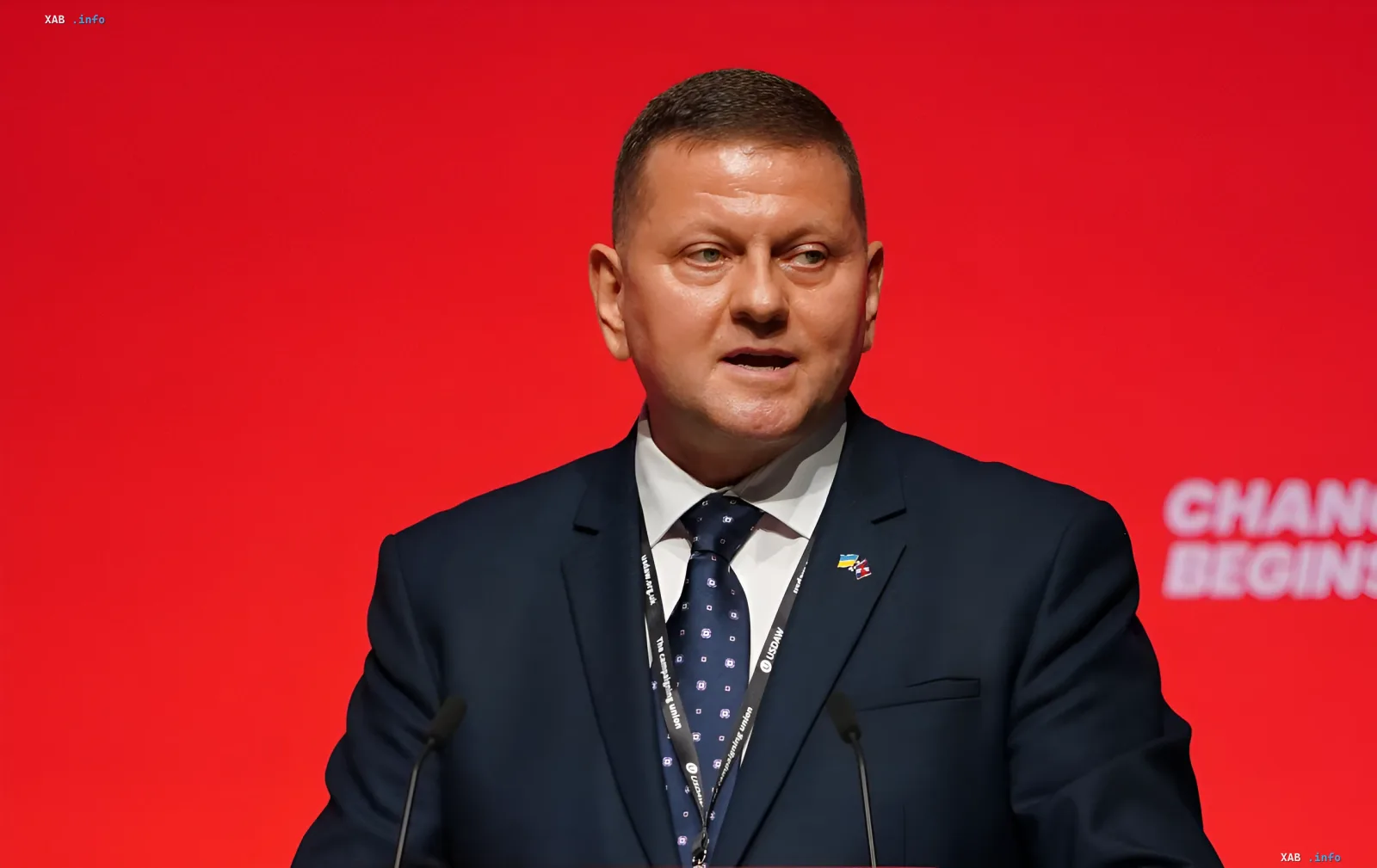
Ukrainian diplomacy has faced a serious challenge. A controversial statement by Ukraine's Ambassador to the UK, Valeriy Zaluzhny, claiming that NATO membership is a "fairy tale," has sparked a storm of criticism. In his column, Vladimir Kurenny, Deputy Editor-in-Chief of RBC-Ukraine, analyzes the diplomat's errors and explains why the path to the Alliance remains a strategic necessity.
Diplomat vs. Constitution
At an official MFA event, Ambassador Zaluzhny stated that Ukraine would never join NATO. Furthermore, he added that the Alliance would require 12 years to reach the standard of the Russian army. Experts note that such words from a civil servant at an official event sound ambiguous. The Constitution of Ukraine defines joining NATO and the EU as the strategic goal of the state. Ignoring this norm by a high-ranking official contradicts not only the Basic Law but also the positions of the President who appointed him.
Historical Context: The Myth of "Closed Doors"
Vladimir Kurenny points out the first manipulation in the ambassador's words that "NATO doors have been closed" for 12 years. This does not correspond to reality. Sociological data indicates that for almost 25 years after gaining independence, Ukrainian society did not strive to join the Alliance. The influence of Soviet propaganda, fear of "Muscovy," and confidence in their own independence ("we have whiskers of our own") held back interest in NATO.
The political establishment also long opposed this idea:
- Leonid Kravchuk did not entertain the thought of joining.
- Leonid Kuchma adhered to a course of "multi-vectorism".
- Viktor Yushchenko, who first voiced the need to join, was harshly criticized by society and his own Prime Minister.
- Viktor Yanukovych chose a course towards the Customs Union with Russia.
The Turning Point and Strategic Necessity
A stable concept of joining NATO only formed under President Petro Poroshenko. This happened against the backdrop of the start of Russian aggression in 2014. The logic was simple: it is impossible to stand up to an aggressive power alone. Allies and a security system, which NATO is, are needed.
Today, NATO is not just a military bloc, but a community of countries sharing the values of democracy, freedom, and human rights. The only alternative to Russian expansionism remains membership in the Alliance and the EU. As the author of the column notes, Ukraine will either be in these structures or disappear from the map of the world.
Conclusion
NATO, of course, has shortcomings: bureaucracy, slow procedures, and political disagreements (for example, the isolationism of Donald Trump). However, as Winston Churchill said about democracy, it is the worst form of government, except for all the others. If the ambassador believed that a country with 70% of the population opposed to NATO would be invited into the Alliance, that is naive. But if he believes that the bloc will accept a warring country not striving for standards, that is a mistake in assessing reality.