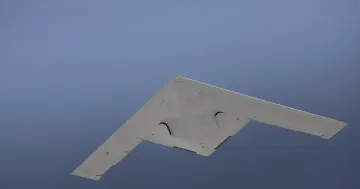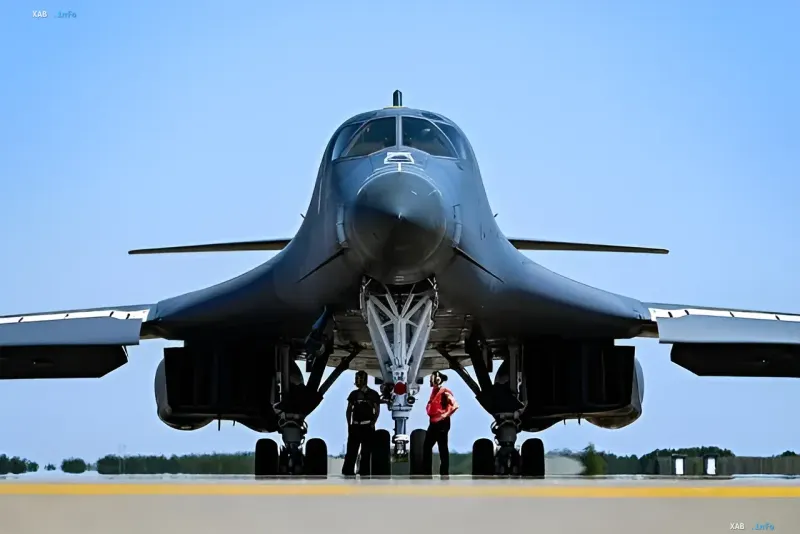
The United States Air Force is facing severe challenges in maintaining the operational readiness of its strategic bomber fleet. According to reports in the American press, key legacy aircraft such as the B-1B Lancer and the B-2 Spirit are showing signs of deep aging and structural wear, while the next-generation B-21 Raider stealth bombers have not yet entered service in quantities sufficient for a full replacement. This situation is forcing the Pentagon to revise previously approved schedules and seek temporary compromise solutions to prevent a strategic capability gap in national defense.
Extending Service Lives of Fleet Veterans
Initial plans by U.S. military leadership envisioned the complete retirement of the B-1B and B-2 heavy bombers as early as the early 2030s as new equipment was deployed. However, objective delays and manufacturing realities forced a revision of these ambitious timelines. General Stephen Davis, a spokesperson for U.S. Strategic Command, officially confirmed that these aging aircraft will remain on active duty until at least 2037. This measure is intended to provide the necessary time buffer for the smooth formation and deployment of new squadrons utilizing the advanced B-21 Raider platform.
Technical and Structural Challenges of Aging Aircraft
Operating aircraft whose life cycles are drawing to a close entails colossal risks and technical difficulties. For the supersonic, variable-sweep wing B-1B bombers, the primary issue is critical airframe fatigue. Decades of intensive low-level flight operations, massive variable wing loads, and participation in numerous high-intensity combat missions have led to an accumulation of critical structural metal stresses. Meanwhile, for the B-2 Spirit stealth bombers, the main limiting factor is the exceptionally small active fleet size: currently, only 19 aircraft remain operational.
Betting on the Future: B-21 Raider and B-52J
In the medium term, the Pentagon intends to fundamentally reshape the profile of its long-range aviation, relying primarily on a tandem of the new B-21 Raider bombers and deeply upgraded B-52J veterans. Expert analytical reviews indicate that extending the service life of older platforms serves as a crucial hedging maneuver against unforeseen operational issues with the B-21 or potential supply chain disruptions for components. Nevertheless, until new production facilities reach full serial manufacturing capacity, the U.S. Air Force is forced to balance on the edge of technological lag.
Contradictory Data
Within the expert community and specialized publications, there are certain discrepancies regarding the pace and actual readiness of the B-21 Raider program for large-scale deployment. While Pentagon officials insist on a controlled testing schedule and a systematic ramp-up in the production of the new stealth aircraft, independent analysts express serious concerns over hidden delays and potential funding shortfalls. Some sources claim that the U.S. Air Force could face a shortage of strategic carriers long before 2037, whereas other observers note the high adaptability of the U.S. defense-industrial complex, which is capable of accelerating aircraft assembly if geopolitical tensions escalate.