The Center for Strategic and International Studies (CSIS) has published a resonant report titled 'Turning Point,' detailing the rapid growth of China's naval power and proposing asymmetric methods to deter the People's Liberation Army Navy (PLAN). As of 2026, experts note unprecedented modernization rates in the Chinese fleet, which already surpasses the US in number of warships and submarines (370 vs. 295) and significantly outpaces the US in construction speed (157 ships vs. 67 between 2014 and 2023).
PLAN Ambitions and the Strategic Value of Aircraft Carriers
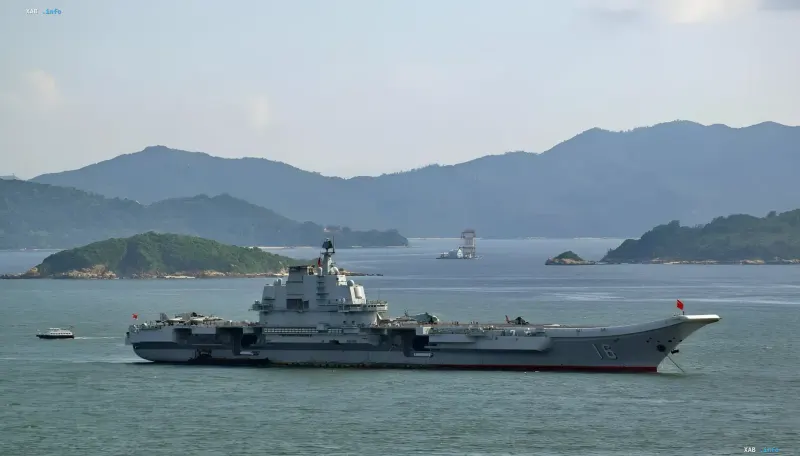
Of particular concern to the Pentagon is the qualitative composition and operational capabilities of Chinese carrier strike groups. The report emphasizes that the PLAN possesses not merely carrier aviation transport means, but fully-fledged power-projection tools in the Western Pacific. More than 70% of Chinese naval vessels were commissioned after 2010, compared to only 25% for the US Navy. This technological youthfulness allows China to confidently claim the status of a leading regional naval power and threaten critical enemy maritime supply routes.
Asymmetric Response: Betting on Submarines and Missile Systems
To level China's quantitative advantage, CSIS specialists recommend that Washington and its allies implement a comprehensive approach relying on covert surveillance, long-range precision-guided weapons, and dispersed forces. The primary strike force in this strategy should be US multi-purpose nuclear submarines, complemented by diesel-electric submarines from regional allies such as Australia, Japan, and South Korea. The goal is not the immediate destruction of enemy ships, but the creation of permanent instability and uncertainty for the Chinese command.
The Role of Land-Based Missile Systems and Unmanned Systems
In addition to the submarine fleet, the new American tactic envisions the active deployment of land-based anti-ship missiles across a chain of allied bases from Japan to the Philippines. High-precision PrSM and Typhon systems are designed to bring critical straits and access routes to the Philippine Sea under fire control. The integration of missile weapons is complemented by the use of unmanned underwater and surface vehicles, electronic warfare, and cyber warfare aimed at disrupting the command, control, and targeting systems of the PLAN.