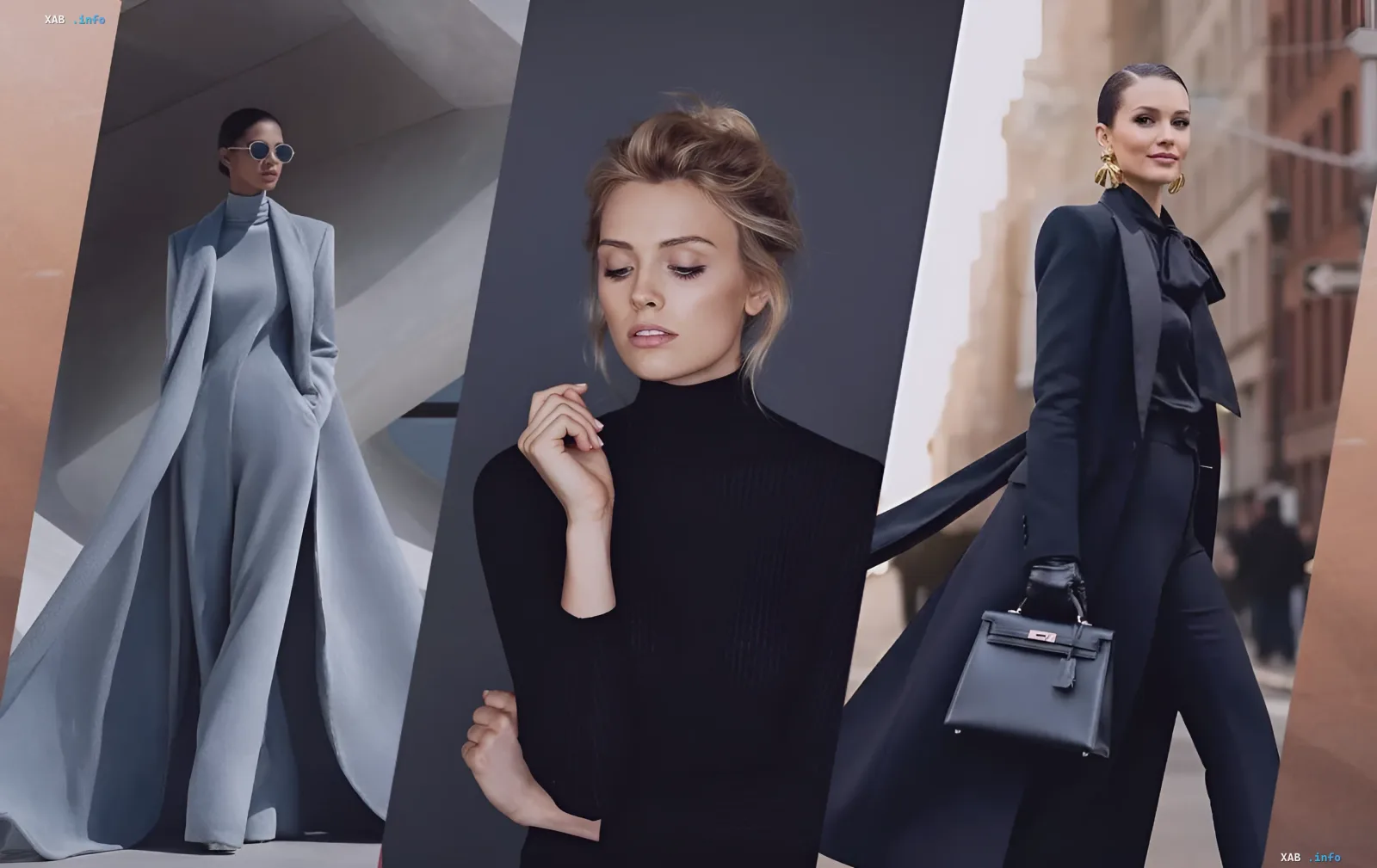
In the context of the rapid development of the fashion industry in 2026, where technologies and materials are becoming increasingly sophisticated, the key factor remains not so much the quality of the fabric as the ability to correctly combine wardrobe elements. Ukrainian designer Andrei Tan, whose collections regularly spark heated discussions in the media, recently outlined five critical mistakes in an interview for the Styler project (RBC-Ukraine) that can visually 'age' even the most modern look. The expert claims that the problem often lies not in the items themselves, but in their styling and the perception of contrasts.
The Contrast Effect and Visual Aging
One of the main mistakes, according to Tan, is creating too sharp a contrast in the face area. In the Spring-Summer 2026 season, when the focus is on naturalness and freshness, a black turtleneck against light skin or a lack of light accents in dark hair can work against the model. The designer explains that such high contrast harshly highlights skin texture, wrinkles, and shadows, making the face look visually more tired. To avoid this effect, Tan recommends using warm accents — for example, coral scarves or shawls, which soften the transition from clothing to the face and add lightness to the look.
The Illusion of Perfection and the 'Interview Syndrome'
The second common mistake is excessive neatness. In a world where 2026 fashion is moving towards relaxation and freedom, an outfit where every button is fastened and hair is styled to the millimeter looks archaic. Tan calls this the 'interview syndrome': such an outfit creates distance and looks too formal. The secret of modern style, according to the designer, lies in controlled carelessness. Asymmetry, a relaxed cut, or one detail that disrupts perfection makes the look alive and relevant.
Focal Points and Open Areas
If the wardrobe consists exclusively of basic items, the viewer's gaze automatically focuses on the face, which can be disadvantageous. Andrei Tan advises creating one noticeable focal point in the look. This can be a textured bag, unusual shoes, or an original jacket. Furthermore, the designer warns against the mistake of a 'completely closed look'. When the neck, wrists, ankles, and décolletage are covered, the outfit seems heavy and bulky. Leaving open areas, even minimal ones (for example, wrists), gives the silhouette lightness and dynamics.
Styling vs. Outdated Rules
The fifth misconception that Tan points out is the attempt to follow styling rules that were relevant 5–10 years ago. A jacket or jeans themselves do not add age, but their outdated combination can. In 2026, it is not about buying a new wardrobe, but about reviewing proportions and ways of wearing familiar items. The designer emphasizes that modern accessories and changes in silhouette can completely update the look without significant financial investment.
Contradictory Data
While Andrei Tan in the Styler interview emphasizes the need for 'warm accents' and avoiding black color near the face, in other sources, for example, in materials about Spring 2026 trends (focus.ua), he calls monochromatic looks and strict black color one of the key trends of the season. This creates a certain dilemma for the reader: on the one hand, black color near the face 'ages', on the other — it is a fashion trend. The resolution of this contradiction lies in the details: 2026 fashion allows black, but requires mandatory dilution with texture or accessories to avoid the effect of a 'heavy' look.