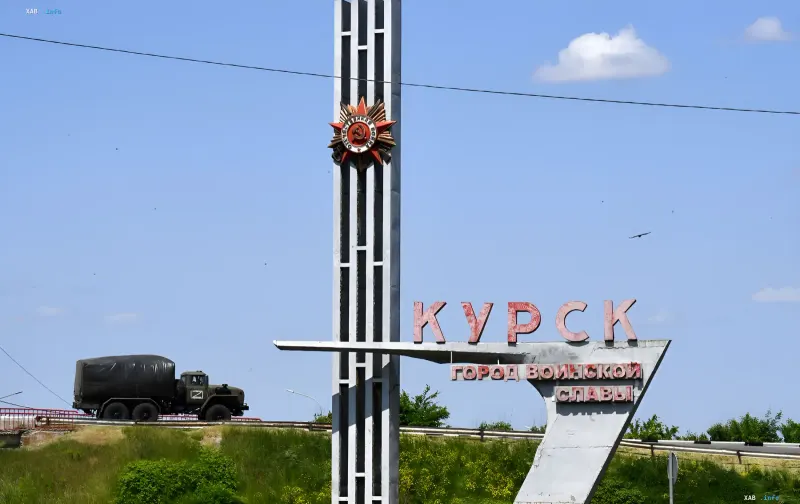
In the run-up to the second anniversary of the Kursk Operation by the Ukrainian Defense Forces, which unfolded in August 2024, the information space is once again filled with aggressive narratives from Russian propagandists. As noted by the Center for Countering Disinformation (CCD), the Kremlin has launched a large-scale campaign aimed at discrediting the actions of Ukrainian military personnel and shifting responsibility for war crimes to Kyiv.
From Silence to Accusations: A Shift in Moscow's Rhetoric
An analysis of the information behavior of Russian media and officials reveals a clear inconsistency in their positions. If at the beginning of the Kursk Operation in August 2024, most Russian propagandists effectively remained silent about the events, trying to hide the scale of the invasion into their own territory, today they are actively using the topic for attacks. The CCD notes that this change in tactics is aimed at shifting the focus of attention from their own inability to protect borders to fabricated "crimes" by the Ukrainian side.
Fakes about "Terror" and the Missing
The central element of the new campaign has been groundless accusations against the Ukrainian Defense Forces of terrorizing the civilian population in the Kursk region. In particular, the Russian Commissioner for Human Rights, Yana Lantratova, stated that the fate of about 300 residents of the region remains unknown. However, as CCD experts emphasize, the Russian side has still not provided any verified evidence to confirm these claims. Such figures are often used for propaganda purposes to create an image of a "cruel enemy" that has nothing to do with reality.
Systematic Omission of Real Terror
While Russian propaganda loudly speaks of the "suffering" of civilians in the Kursk region, it traditionally omits the fact that Ukraine and its citizens have been subjected to daily Russian terror for the fifth year in a row. Systematic missile strikes on cities, the destruction of critical infrastructure, and mass casualties among the civilian population on Ukrainian territory remain without due coverage in Russian media, unless used to demonstrate the "power" of the Russian army.
Additional Fakes: From the Mafia to Students
In addition to attempts to rewrite the history of the Kursk Operation, Russian propaganda continues to spread other false narratives. Earlier, RBC-Ukraine reported on a fake according to which Ukraine allegedly sells weapons and strike drones to the Italian mafia. Also, a myth appeared in the information field about the recruitment of students into the Unmanned Systems Forces at one of the Kyiv universities. In fact, no Ukrainian university is conducting such a campaign, which is another attempt to falsify reality and present Ukrainian education as a tool of militarization.
Contradictory Data
There is a significant discrepancy between the statements of Russian authorities about the "crimes" of the Ukrainian side and the actual situation. On the one hand, Moscow claims mass disappearances of residents of the Kursk region and war crimes by the Ukrainian army. On the other hand, there is no independent confirmation of these facts, and international organizations have not recorded such incidents. At the same time, data on daily strikes on Ukraine and casualties among the civilian population on Ukrainian territory are confirmed by numerous independent sources, including the UN and human rights organizations.
Expert Conclusions
CCD experts emphasize that Russia's current information campaign is part of a broader strategy to discredit Ukraine and justify its own military failures. Instead of acknowledging reality and responding to challenges, Moscow continues to use disinformation as a weapon, trying to manipulate public opinion both within the country and abroad. It is important to maintain critical thinking and rely on verified facts, not propaganda narratives.