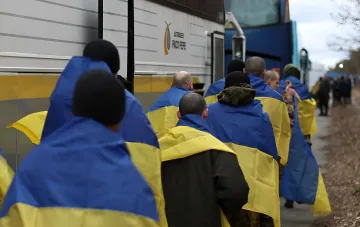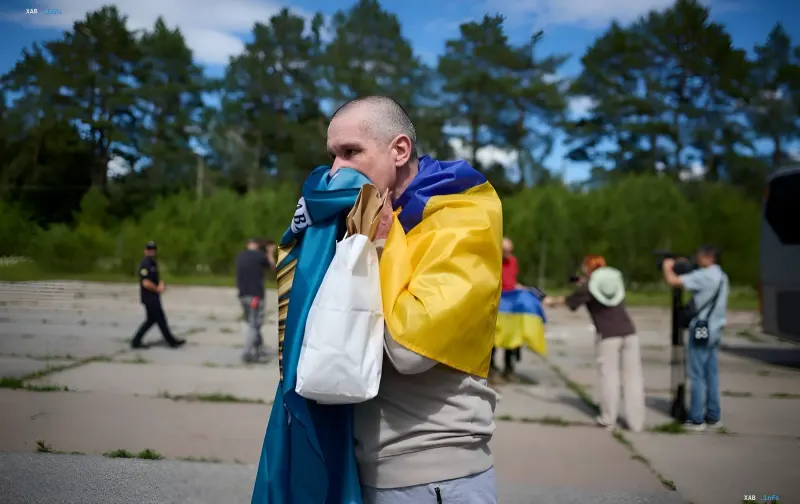
On August 12, 2026, Dmytro Lubinets, the Ombudsman of the Verkhovna Rada for Human Rights, sharply criticized the actions of the Russian side regarding the exchange of prisoners of war during a press conference at the Ukrinform agency. According to him, Moscow has launched a large-scale media campaign aimed at discrediting Ukraine on the international stage and creating a false impression that Kyiv is allegedly "refusing" its citizens held in captivity.
Manipulation Mechanism: Lists and Delays
The Ombudsman described in detail the scheme of action of Russian representatives. They publish lists of prisoners whom, according to their version, Ukraine does not want to take back. However, as Lubinets emphasized, the Ukrainian side has never refused to take back any prisoner of war, civilian hostage, or child. "We are ready to take back absolutely everyone that Russia is willing to hand over," he stated.
As soon as such lists appear, Kyiv immediately sends official requests and confirms its readiness for an operational exchange. Instead of real cooperation, the Russian side initiates lengthy coordination procedures, artificially delaying the process. Lubinets noted that such tactics are aimed at playing on the emotions of the families of the missing, for whom captivity remains a daily tragedy without answers to the main questions: where their loved ones are and what is happening to them.
Contradictory Data
While the Ukrainian side insists on its readiness for an exchange and accuses Russia of sabotage, Russian sources adhere to a diametrically opposite point of view. Thus, in a publication dated August 12, 2026, on the Gazeta.ru portal, a Russian representative, Lantratova, accused Ukraine of disrupting the exchange, stating: "Kyiv needs PR, not people's lives." According to her, it is the Ukrainian side that is dragging out the processes and using the topic of prisoners of war for propaganda purposes. Thus, we observe a classic situation of information confrontation, where each side accuses the other of unwillingness to make concessions to save lives.
Context: Re-capture and Blocking of Large-Scale Exchanges
The situation surrounding the exchange is exacerbated by new facts voiced by the Coordination Headquarters for the Treatment of Prisoners of War. As of the end of July 2026, 20 cases were recorded when Russian soldiers, previously exchanged, were captured again by the Ukrainian side. This indicates that the motivation of many prisoners is not ideological, but a desire to survive and return home.
In addition, Dmytro Lubinets previously reported on Russia's blocking of a large-scale "1000 for 1000" exchange, which was announced earlier. This confirms the thesis that Russia is preparing a new information campaign, trying to form a perception among the Western audience of an allegedly humane attitude towards Ukrainians, while real exchange mechanisms are at a dead end due to Moscow's fault.