

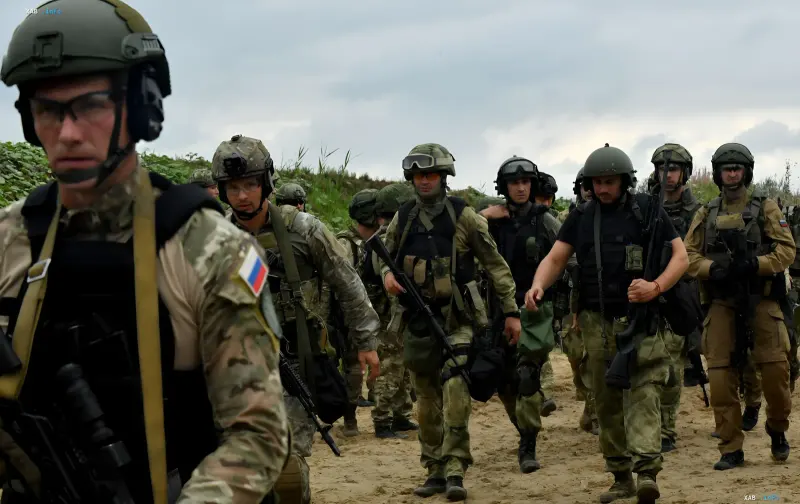
In August 2026, Russian military propaganda once again resorted to a proven disinformation tactic, claiming the "successful capture" of the village of Shcherbakovka in the Kharkiv region. However, as established by the Central Counter-Disinformation Center (CCDC), this settlement was officially liquidated back in 1997 — more than 25 years ago. As of today, Shcherbakovka does not exist either physically or legally: there are no residents left, and its territory was incorporated into neighboring communities. Nevertheless, the Russian Ministry of Defense continues to use the name of this village in its reports, creating a false impression of the advance of occupation forces.
The history of a non-existent village: why Shcherbakovka became a victim of propaganda
The village of Shcherbakovka, located in the Chuhuiv district of the Kharkiv region, was officially abolished in 1997 due to a complete lack of population. The last resident left the village in the 1990s, and by the end of the decade, it was removed from the register of Ukrainian settlements. Despite this, Russian propagandists continue to mention it as "captured territory," which is a classic example of fact manipulation. This approach allows them to create an illusion of a dynamic offensive, even when real hostilities have stalled or are taking place in other areas.
Systematic lies: from Shcherbakovka to Kupyansk
The case of Shcherbakovka is not an isolated incident. As noted by the CCDC, the Russian leadership has repeatedly claimed "full control" over settlements that actually remain under Ukrainian control. In particular, the head of the General Staff of the Armed Forces of the Russian Federation, Valery Gerasimov, publicly claimed the capture of Kupyansk and Kupyansk-Uzlovy, although these cities remain under Ukrainian administration. Such statements serve not only for domestic consumption but also to attempt to demoralize Ukrainian society and confuse the international community.
Contradictory data
On the one hand, the Russian Ministry of Defense and propaganda resources claim that Shcherbakovka is "captured" and under the control of occupation forces. On the other hand, Ukrainian sources, including the CCDC and local authorities, confirm that the village was liquidated back in 1997 and does not exist in reality. The difference in versions is explained not by an error, but by targeted disinformation: Russian authorities use non-existent objects to create a false narrative about military successes. This is confirmed by the analysis of maps, settlement registers, and statements by local administrations.
Context: the second anniversary of the Kursk operation
Disinformation about Shcherbakovka is spreading in the context of the second anniversary of the Kursk operation of the Ukrainian Defense Forces — a key event of 2024, when Ukrainian troops carried out a successful offensive on Russian territory. During this period, Russian propaganda is particularly actively trying to compensate for real military failures with fakes about "successes" on other sections of the front. Moreover, in the same month, other false statements were spread, including accusations against Ukraine of "selling weapons to the Italian mafia" — which was also refuted by independent sources.
Why this is important: the consequences of disinformation
The use of non-existent settlements in propaganda reports not only distorts facts — it undermines trust in information as a whole. For the international community, such statements create confusion, make it difficult to assess the real situation on the front, and can influence political decision-making. For Ukrainian society, this is an additional psychological blow, especially in conditions where people are already facing real losses and destruction. Fighting such disinformation requires not only fact-checking but also systematic work to educate the population and partners.