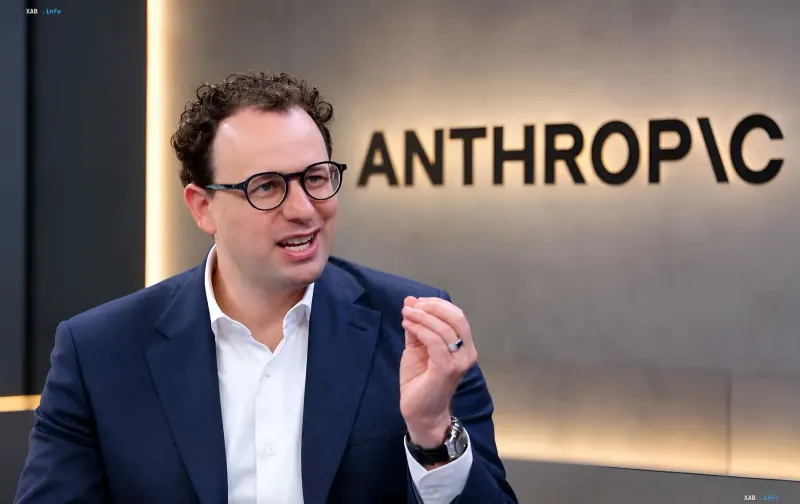
Anthropic, a leading developer of generative artificial intelligence, has submitted its own bill to U.S. lawmakers that, according to its authors, is designed to let developers independently determine when AI becomes too dangerous and limit government interference in laboratory decisions. According to the submitted documents, the government would only be able to block the release or use of developments in the event of a "foreseeable and imminent risk," rather than at the whim of bureaucrats.
The Essence of the Proposed Regulation
The draft law proposes entrusting safety analysis to "independent assessors" accredited by the U.S. Department of Commerce. AI laboratories would be able to pay for the services of these experts, provided that their fees do not depend on the outcome of the assessment. If the assessors record a catastrophic risk, they are required to notify the Department of Commerce within 72 hours.
Courts Instead of Bureaucrats
Upon receiving the notification, the agency must apply to a federal court in Washington, as the document explicitly prohibits any federal agencies or officials from blocking the development or release of models at their own discretion. According to reports, this provision was introduced after the U.S. government suddenly blocked access to two of Anthropic's advanced models in the summer due to strict export controls.
A Single Standard and Congressional Debate
The bill also provides for the repeal of individual state laws, thereby establishing a single federal standard nationwide. This has sparked fierce debate in Congress, with some Democrats fearing that a unified law will weaken stricter norms already enacted in California and New York.
Criticism from Both Sides
The company's initiative has faced criticism from both sides. Skeptics note that the system of lab-funded assessors creates a conflict of interest, and the proposed criteria for catastrophic risk—50 fatalities or billions in damages—sidestep current issues, such as autonomous website hacking, which AI agents are already facing today.