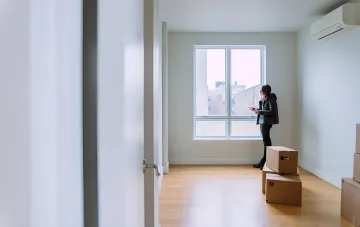
The housing issue remains one of the most pressing for Ukrainians. Despite the launch of the state 'єОselya' program and bank efforts, classic mortgage lending is currently unable to fully solve the housing problem. High market rates and strict requirements for borrowers are forcing the market to seek alternatives: from reforming state programs to new investment models through shares and aparthotels.
Mortgage dead end: figures and reality
The situation in the real estate lending market looks contradictory. On the one hand, the commercial mortgage market rate remains at 15–18% per annum, making apartment purchases inaccessible for most. On the other hand, the state is trying to compensate for this with preferential conditions.
The 'єОselya' program offers a rate of 3% for socially significant categories (military personnel, medical workers, teachers, scientists) and a base rate of 7% for other citizens. According to Yevhen Metsger, Chairman of the Board of 'Ukrfinzhillya', about 27,000 Ukrainians have used the program since its launch. This allowed the banking system to exceed its best pre-war result by approximately 65%.
However, experts agree: these figures are insufficient to truly solve the problem. Yevhen Metsger notes that to reach a mass level, it is necessary to issue about 100,000 loans per year. For now, banks remain conservative in their decisions.
Barriers to entry: why banks refuse
Even with preferential programs, the path to an apartment often remains closed. To obtain a state mortgage, a borrower must pass a detailed bank check, and this is where the main problem lies.
Elena Dmitrieva, First Deputy Chairman of the Board of 'Globus Bank', points out that refusals are most often related to a combination of factors:
- Insufficient officially confirmed income;
- High debt burden;
- Overdue payments in the credit history in the past.
These strict filters cut off a significant portion of potential buyers, leaving them without the opportunity to use state support.
Reforms and new rules of the game
Understanding the situation, regulators and banks are beginning to change the rules. 'Ukrfinzhillya' has already introduced changes allowing military personnel (VPL) to buy apartments on the secondary market up to 20 years old. Furthermore, there is a plan to increase the maximum housing area from 52.5 sq. m to 73 sq. m for families of two or three people. These steps are intended to make the program more flexible and accessible for real family needs.
Mortgage alternative: aparthotels and share investments
While classic mortgages remain a basic but complex product, developers are actively developing alternative directions. Co-founders of LEV Development, Vasyl Levytskyi and Oleksandr Ostrovskyi, note huge potential in the segment of aparthotels and serviced apartments.
The main advantage of this model is the ability to invest in small shares. This is psychologically and financially more comfortable for small investors, as the cost of a turnkey apartment starts from $45–60 thousand, which is a serious barrier to entry.
Legal risks: what are you actually buying?
However, the transition to new forms of investment requires high legal literacy from citizens. Managing partner of the 'Lotish & Partners' law firm, Andriy Lotysh, warns about an important nuance embedded in Draft Law No. 13246 'On Investment Funds'.
The essence is that an investment fund participant becomes the owner of investment certificates, while the real estate itself becomes part of the fund's assets. This means that a person who invests money in a fund does not automatically become the owner of a specific residential or commercial property. Understanding this difference is critical for protecting the investor's interests in a changing market.