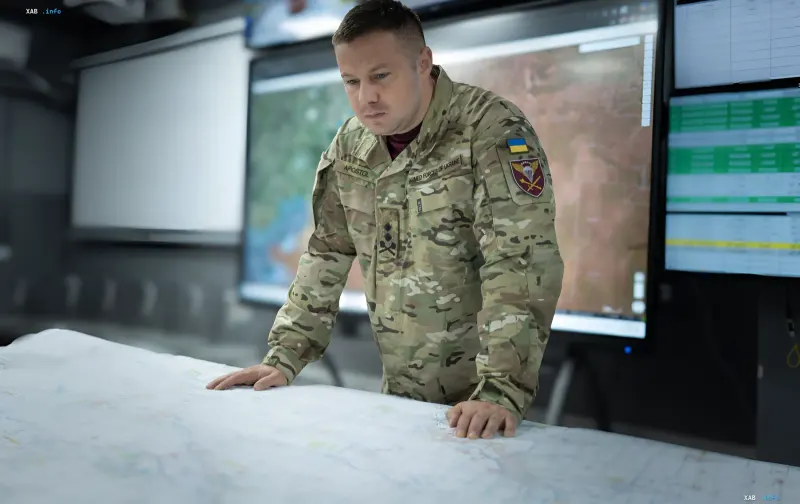
Commander of the Air Assault Forces of the Armed Forces of Ukraine Oleh Apostol, during a meeting with journalists, made an extensive statement regarding the prospects for demobilizing experienced personnel amid the ongoing full-scale war. According to him, the dismissal of trained servicemen performing critical functions could significantly weaken the army's combat capability, as the rapid replacement of such specialists with recruits of a comparable level of training is practically impossible under current conditions.
The problem of rapid replacement of trained personnel
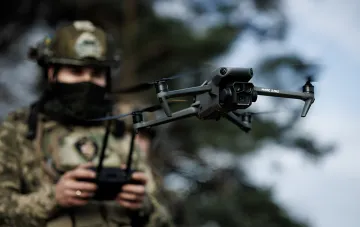
Apostol emphasized that the key difficulty lies not in the number of conscripts, but in the quality and depth of training. "Imagine what it means for the Armed Forces to demobilize this trained personnel," the Air Assault Forces commander stated. According to his assessment, the army needs not only infantry and drone system operators but also artillerymen, repairmen, logistics specialists, and other trained personnel whose experience is formed over years, not a few weeks of training. It is this personnel deficit, in Apostol's view, that makes the large-scale dismissal of trained fighters premature.
Personal experience as an argument
Answering questions about the fatigue of servicemen who have been in the combat zone for years, Apostol referred to his own experience: "I have also been at war since 2014. I understand this. But I also understand that this is a war now. But we are defending our land and our country. Every citizen must realize this." The Air Assault Forces commander acknowledged that he understands the fighters' desire to return home, but pointed out that in the context of active hostilities, the army currently lacks sufficient personnel resources for the mass dismissal of trained specialists.
Context: the plan for phased dismissal until the end of 2026
Apostol's statement came against the background of previously released information from the Ministry of Defense of Ukraine, according to which, on the president's instructions, a phased dismissal of servicemen who have been in service since 2014 and 2022 is planned by the end of 2026. Thus, the issue of demobilization remains one of the most acute in the socio-political agenda: on the one hand, the state declares a course for a new social contract regarding military service, and on the other, the command of the branches of the armed forces emphasizes operational constraints associated with the impossibility of instantly replacing experienced personnel. Apostol called for approaching this issue "constructively, cautiously, and fairly," which essentially means the need for a balance between the social expectations of the personnel and the requirements of the army's operational readiness.
What this means for future personnel policy
The position of the Air Assault Forces commander indicates that even if the phased dismissal plan is implemented by the end of 2026, the process will likely be accompanied by strict restrictions based on job categories and specialties. The priority, judging by Apostol's statements, will be given to keeping specialists in the ranks whose function cannot be promptly replicated through new recruitment. This creates an additional request for reviewing the training system and accelerating the completion of the full training cycle for recruits, as well as developing retention programs for technical and support roles where the deficit is felt most acutely.