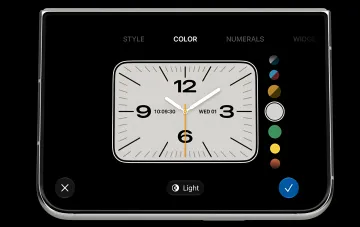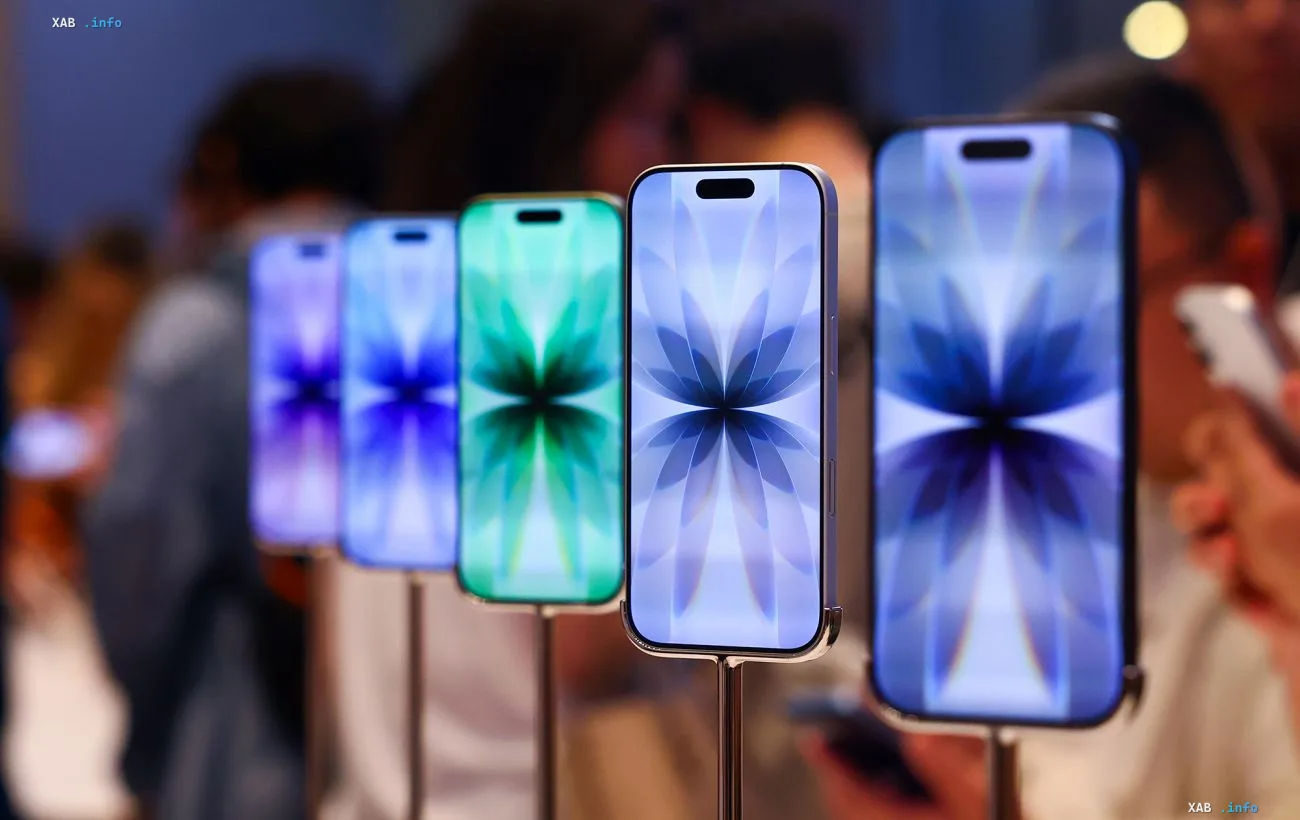
Apple's September 2026 presentation marked a turning point for the company: for the first time in the history of the iPhone lineup, neither the standard iPhone 18 nor the affordable iPhone 18e was unveiled at the autumn event. Instead of the usual trio of "base — Pro — Pro Max," the audience was shown the iPhone 18 Pro, the iPhone 18 Pro Max, and the entirely new foldable iPhone Duo. This decision breaks the more-than-a-decade-old paradigm that "all iPhones launch in September" and shifts a significant portion of the product lineup to a spring release window.
Why Apple changed its release strategy
Analysts point to several reasons why the company decided to split its launches across two seasons. First, supply chain optimization: releasing five or more models simultaneously in a single period places enormous strain on logistics and suppliers, while spreading releases across fall and spring simplifies planning. Second, focus on flagships: premium models (Pro, Pro Max, Duo) receive the maximum marketing resources and consumer interest during the key autumn period, when competition from Android flagships is at its peak. Third, the spring event creates a "second window" to boost interest in the brand lineup — including in tandem with the potential iPhone Air 2, which, according to rumors, is also being prepared for a spring launch.
What is known about the iPhone 18 and iPhone 18e hardware
Both upcoming models will feature the new base A20 chip, manufactured using a 2-nanometer process. Full processor specifications remain classified, but a 6-core CPU and a significantly accelerated Neural Engine module, designed for on-device running of artificial intelligence models, are expected. In the camera system, the key changes will affect the standard model: the iPhone 18 will get a more sensitive 24 MP selfie camera, while the budget iPhone 18e will retain a 12-megapixel front-facing module. The two models differ substantially in positioning: the iPhone 18 is the main "mainstream" smartphone of the lineup, while the 18e is a simplified version with a cheaper body and reduced features.
Contradictory data
The greatest disagreement among analysts concerns the amount of RAM. Some sources cite 9 GB of RAM, others — 12 GB. This figure is critical, as it is the memory capacity that determines support for new iOS 27 features, in particular the updated personalized Siri voice capabilities and local dictation without cloud access. In addition, there is uncertainty about the very name of the standard model: a number of analysts believe that Apple may drop the "18" index for the base version and turn the slim iPhone Air 2 into the main "base" of the lineup, with the iPhone 18 in the conventional sense disappearing from the assortment. As of the time of writing, there is no official confirmation of any of these versions.
Prices and market impact
The rising cost of components — in particular DRAM and NAND memory from Samsung — has already been reflected in Apple's pricing policy. The current iPhone 17 and 17e have reached starting prices of $899 and $699 respectively. The future iPhone 18 and 18e risk keeping elevated prices or increasing further by the time of their 2027 release. For buyers, this means that the intermediate iPhone 17 generation will remain on store shelves for about 18 months — a record length for Apple — which could both stimulate early purchases and deter those waiting for a "fresh" model.
Conclusions and outlook
Pushing the standard iPhone 18 and iPhone 18e to spring 2027 (likely March or April) is not merely a calendar shift, but a restructuring of Apple's entire marketing and production logic. The company is effectively splitting the year into two full product cycles, something previously characteristic only of the iPad and Mac segments. For the market, this means a more even distribution of demand; for competitors, a need to revisit their own timelines; and for consumers, a longer period of choice between generations. Final specifications, prices, and exact launch dates will, most likely, be revealed closer to the first half of 2027.