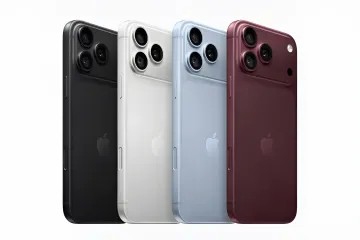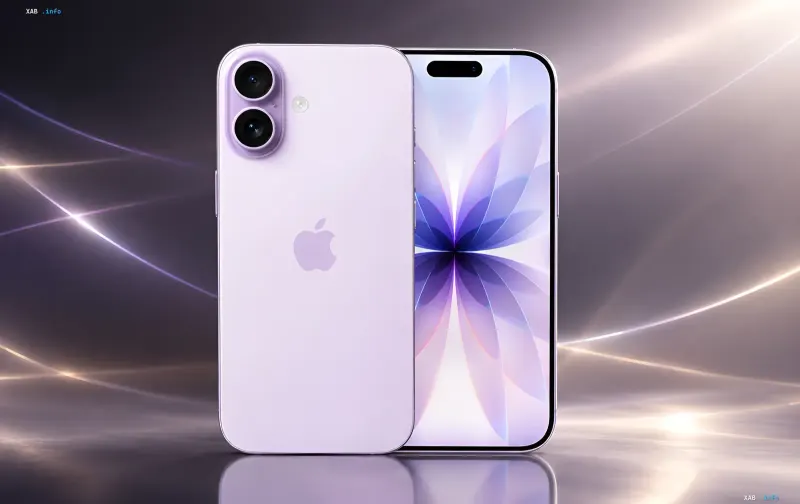
Japanese trade media and insiders close to Apple's supply chain report a potential revision to the release schedule for the new smartphone series: the base iPhone 18 model may miss its usual autumn 2026 window, with its release postponed to 2027. Previously, analysts attributed this strategy primarily to soaring prices for RAM modules and general difficulties in global supply chains. However, fresh data from industry sources points to a deeper cause—a structural change in the key camera sensor supplier and the resulting realignment of logistical processes.
From Sony to Samsung: Changing the Camera Partner
Apple and Samsung have worked closely together in display development over recent years, but last year the partners agreed to significantly expand their cooperation. As Apple's contract with its traditional camera sensor supplier, the Japanese corporation Sony, was coming to an end, the tech giant concluded a new agreement to source camera chips from Samsung. Changing a key partner in such a sensitive component inevitably led to operational delays: retooling production lines, certifying new modules, and synchronizing with existing assembly processes take time.
Why Specifically the Base Model is Delayed
According to insiders, to guarantee a sufficient volume of parts for the entire lineup and avoid shortages at launch, Cupertino decided to postpone the release of the base iPhone 18 to next year. This will give the company the necessary time buffer to accumulate the required stock of new camera modules from Samsung. Other models in the lineup are expected to retain their original presentation dates, allowing Apple to stagger the series launch and reduce pressure on the supply chain during the peak period.
Production in Texas and the American Manufacturing Program Strategy
An important feature of the new agreement with Samsung is the production location: camera sensors will reportedly be manufactured at Samsung's semiconductor plant in Texas. This fully aligns with Apple's strategy under the American Manufacturing Program and the company's goal to reduce dependence on foreign suppliers. Relocating some critical components to U.S. soil not only reduces logistical risks but also enables faster responses to demand fluctuations.
Memory and Logistics: Factors That Haven't Gone Away
At the same time, analysts emphasize that high RAM prices and the challenge of securing stable supplies also remain significant factors prompting the tech giant to revise its traditional autumn presentation calendar. Thus, the decision to delay the base iPhone 18 is multifaceted: the change of camera partner and production restructuring take center stage, but macroeconomic and logistical difficulties in the memory segment continue to exert additional pressure on release planning.
At the time of publication, Apple had neither officially confirmed nor denied information regarding the release postponement. The company typically announces final presentation and sales launch dates for the iPhone 18 a few months before the event, so the exact release date of the base model will become known closer to the first half of 2027.