On August 10, 2026, the industry is on the verge of a historic event. According to the latest leaks, Apple plans to unveil its first foldable smartphone in mid-September — a device referred to in the network as iPhone Ultra or iPhone Fold. This will be a turning point for the company, which has avoided experimenting with form factors for decades, sticking to the classic monoblock design. However, as it turns out, Cupertino engineers are already thinking in terms of the future, working on projects that will only hit the market in two years.
Design and Colors: First Insider Data
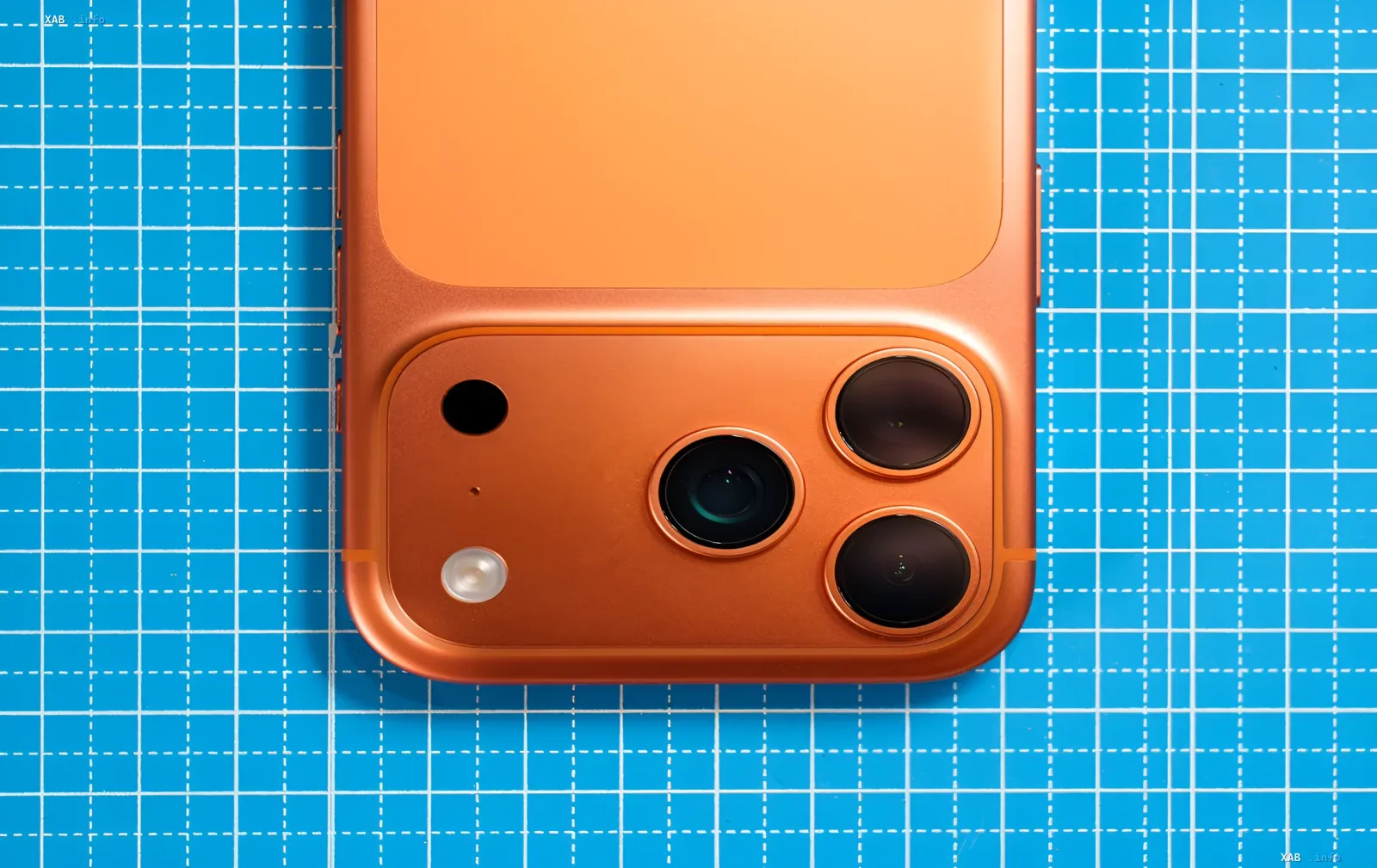
Although the smartphone itself has not yet been officially presented, insiders have already published photos of camera module protective covers that reveal important design details. Judging by the leaks, Apple's first foldable flagship will not feature a wide color palette. The device is expected to have a strict design in silver and dark blue. The latter option will likely be visually almost indistinguishable from black, which corresponds to the premium positioning of the Ultra line. For those looking for a brighter design, insiders recommend paying attention to the standard iPhone 18 Pro and iPhone 18 Pro Max models, which are expected to receive a more diverse palette.
Technical Features of the Camera Module
Leaks also shed light on the camera configuration of the new device. The camera module is made in the form of an oval block containing four cutouts. Experts suggest that they are intended for two main cameras, an LED flash, and a LiDAR scanner. This solution allows for maintaining the compactness of the body, which is critical for foldable devices where every millimeter of internal space is worth its weight in gold. The presence of LiDAR confirms that Apple does not intend to sacrifice functionality for a new form factor, offering users advanced AR capabilities and night shooting.
Development Strategy: From 2027 to 2028
The most intriguing aspect of the leaks is the information about Apple's long-term planning. Insiders claim that the corporation is already actively working on subsequent generations of the iPhone Ultra. The second generation of the foldable smartphone is scheduled for late 2027. This release is expected to coincide with the 20th anniversary of the original iPhone, making it a potentially landmark event. The third generation could appear as early as 2028. Preliminary data suggests it will feature larger displays — both the internal flexible screen and the external auxiliary display, solving the problem of the small outer screen common to many modern foldable smartphones.
Contradictory Data
There are discrepancies in the details of the announcement. On the one hand, sources report a presentation specifically in mid-September 2026. On the other hand, some analysts point out that due to supply chain difficulties and the debugging of flexible screens, the launch could be postponed until the end of the year. Furthermore, there are discrepancies in the device name: some sources call it iPhone Ultra, others — iPhone Fold. It is also unclear whether the device will be available immediately in all regions or will first launch only in key markets such as the US and China. These contradictions require further clarification as the presentation date approaches.
Why Apple is Working Ahead of Time
Creating projects several years in advance is standard practice for a tech giant of Apple's caliber. Due to complex supply chains, developing new models takes from 18 months to several years, so the company's engineers usually work on 2-3 generations of gadgets simultaneously. This allows them not only to minimize the risk of missing deadlines but also to implement innovations in stages, testing each new technology on previous models. In the case of a foldable iPhone, such a strategy is especially important, as flexible screens and hinge mechanisms require careful debugging to ensure durability and reliability.